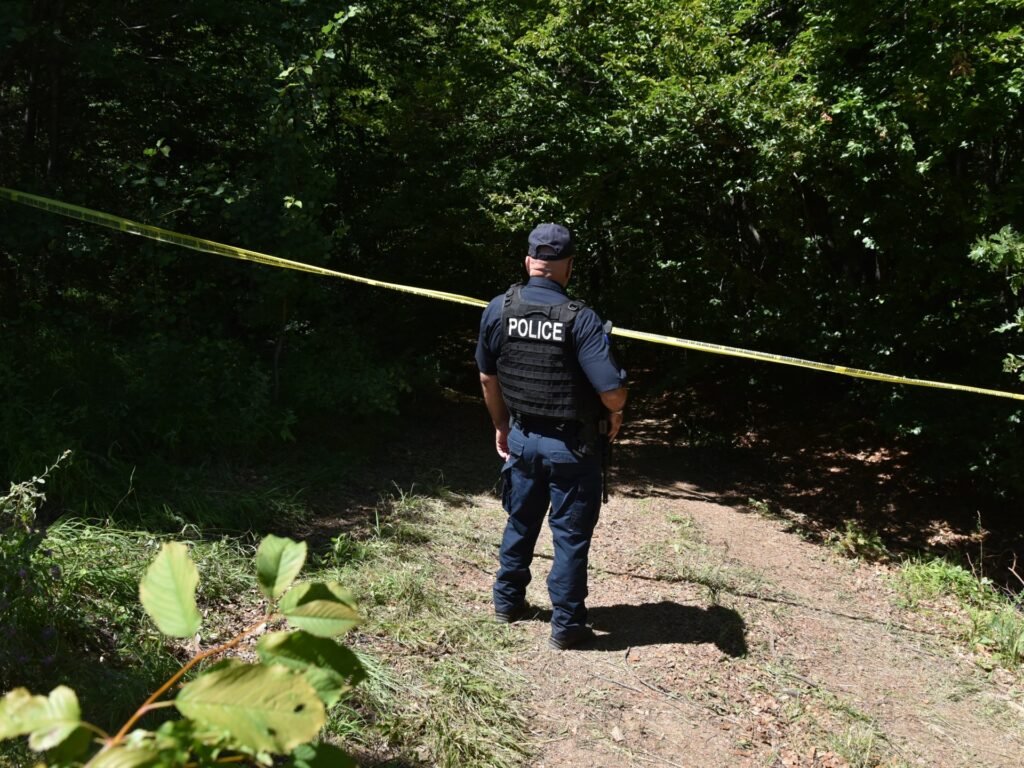
Authorities in Kosovo have uncovered a third mass grave believed to date back to the Kosovo War, intensifying efforts to locate and identify the remains of those who perished during the conflict. This discovery marks a significant development in the ongoing excavation work aimed at uncovering evidence of war atrocities and providing closure to families of the missing.
The Kosovo War, which erupted in the late 1990s, resulted in widespread violence and displacement, leaving many victims unaccounted for. Over the years, persistent investigative and forensic efforts have been underway to locate mass graves containing the remains of war casualties. The recent find highlights the continued challenges and the scale of the search operations.
Officials have expanded their search boundaries following preliminary findings, hoping to uncover additional burial sites. Using advanced forensic techniques and detailed investigations, teams are methodically digging and analyzing the sites to extract remains with dignity and precision.
The discovery of mass graves plays a crucial role in documenting the atrocities committed during the conflict, supporting ongoing justice and reconciliation processes in Kosovo. Identifying the remains allows for proper burial and provides families with long-awaited answers about the fate of their loved ones.
Excavation teams consist of local authorities backed by international experts specializing in war crimes and forensic anthropology. The collaboration underscores the importance of international support in dealing with the complex aftermath of conflict.
While the work is painstaking and often emotionally charged, the teams remain committed to uncovering the truth. Each site presents unique challenges, such as preserving evidence, accurately documenting findings, and respecting cultural sensitivities related to handling human remains.
Community members and relatives of missing persons have expressed a mix of relief and sorrow upon hearing about the discoveries. For many, the findings are a crucial step toward healing and restoring a sense of justice in a region deeply scarred by war.
The Kosovo government has pledged continued support for the excavation and identification processes, emphasizing the importance of addressing the war’s human toll. Funding and resources are being allocated to ensure that these investigations proceed efficiently and respectfully.
Experts caution that uncovering all mass grave sites will likely take years, given the vast area affected by the conflict and the complexity of gathering accurate information in post-war environments. Nonetheless, the determination of officials and experts remains steadfast.
This latest discovery serves as a somber reminder of the tragic consequences of the Kosovo War and the enduring impact it has on survivors and their communities. The effort to locate all missing persons is a critical part of Kosovo’s journey towards reconciliation and future peace.
As excavation work continues, officials urge anyone with information about potential burial sites or missing individuals to come forward. Public cooperation is deemed essential in the ongoing quest to bring closure to Kosovo’s dark chapter.
In sum, the identification of a third wartime mass grave in Kosovo is a poignant development that underscores the enduring legacy of the conflict. It also reflects the persistent dedication of authorities and experts committed to uncovering the truth and honoring the memory of those lost during the tumultuous period.
With further excavation planned, hopes remain high that more sites will be discovered, contributing to the broader effort of reconciliation and justice in the region. The process, though difficult, embodies a vital step towards recognition and healing for Kosovo and its people.