In the latest surge of conflict, Tigray refugees have fled into Sudan following deadly violence on the Ethiopia-Sudan border. The Ethiopian army is being accused of launching attacks against Tigray forces in Shererina, an area close to the disputed border region. This escalation has further destabilized an already volatile situation, displacing thousands of civilians who seek safety across the border in Sudan.
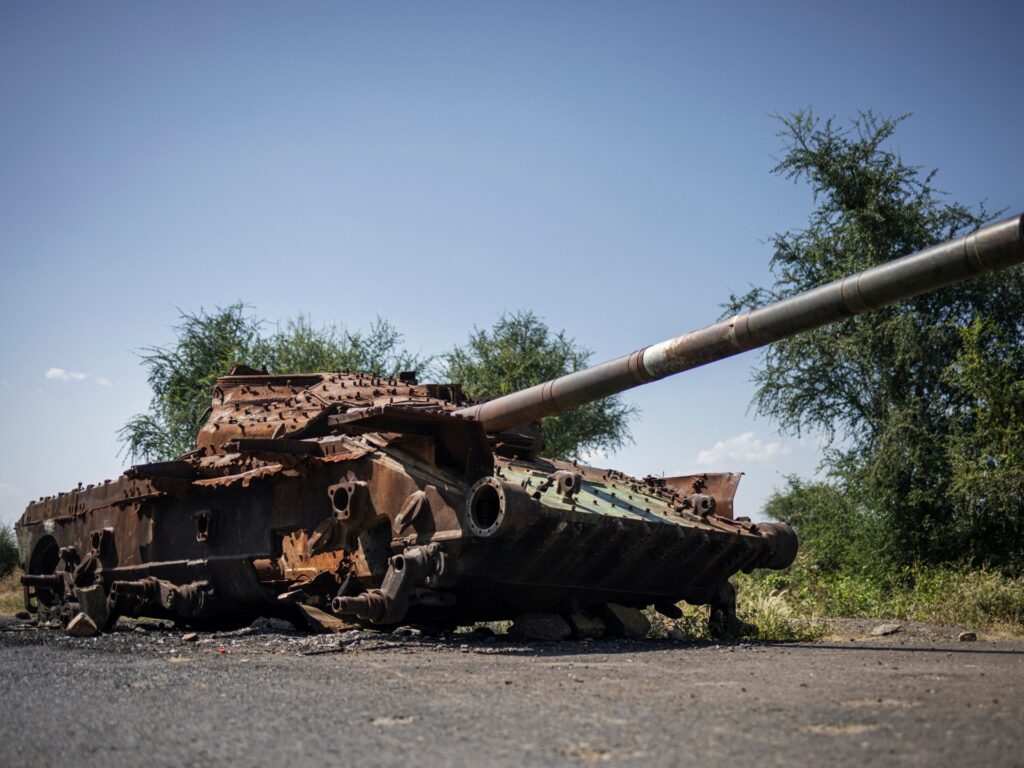
The conflict in Ethiopia’s Tigray region, which began in late 2020, has drawn concern from international observers due to its humanitarian impact and regional security implications. The recent clashes at Shererina reflect ongoing tensions that threaten to widen beyond Ethiopia’s borders. Reports suggest that Ethiopian military operations targeted Tigray forces, igniting fierce confrontations.
Such violence has forced many residents to abandon their homes and cross into Sudan, adding to the already large population of Tigray refugees there. Sudanese authorities have opened border crossings to allow migrants to enter, but humanitarian resources are strained amid the influx.
The United Nations and various human rights organizations have called for immediate de-escalation and dialogue between the conflicting parties to prevent further loss of life and suffering. The border area between Ethiopia and Sudan has historically been tense, with unresolved territorial disputes compounding the risk of cross-border conflict.
Diplomatic efforts are underway to address the crisis, with regional leaders urging restraint and negotiations. Meanwhile, international aid agencies are mobilizing to provide assistance to refugees and internally displaced persons affected by the conflict.
The situation remains fluid, and there are fears that continued fighting could spark a broader regional crisis if not managed effectively. The international community watches closely as tensions escalate at the Sudan-Ethiopia border, hoping for a peaceful resolution to protect vulnerable populations and stabilize the region.