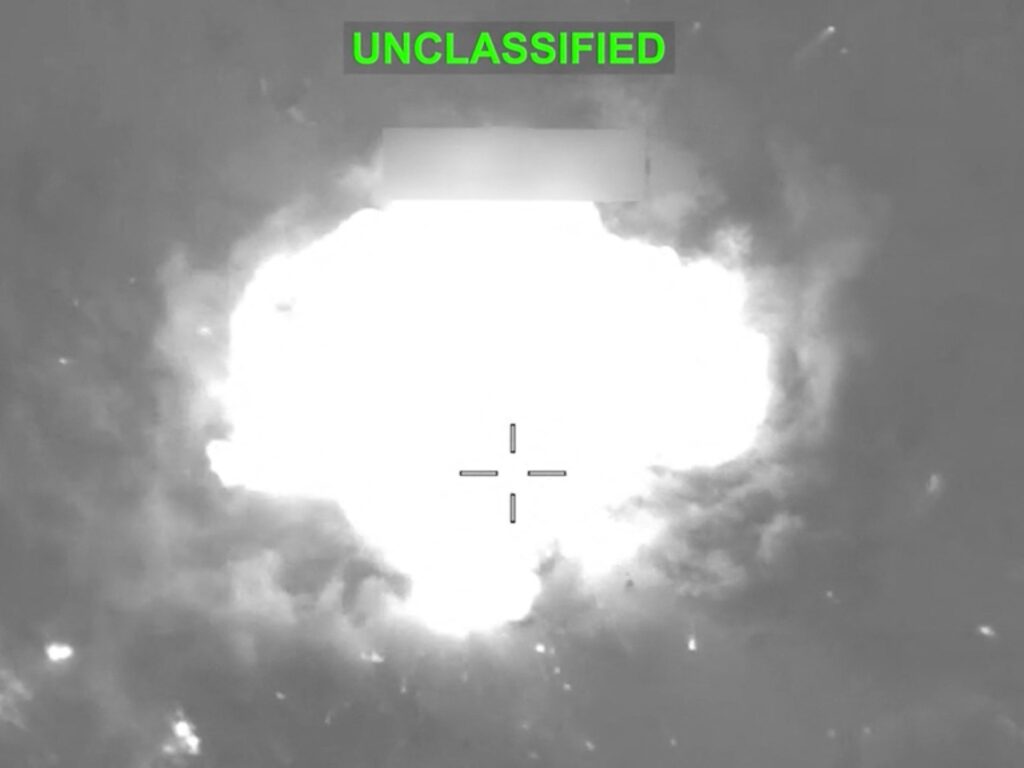
In an intense escalation of conflict, the United States launched airstrikes against Iran for the second consecutive night, raising significant concerns about the future of the fragile peace process between the two nations. Despite this heightened military action, neither the US nor Iran has officially renounced the interim peace agreement that was previously established, leaving a cloud of uncertainty over diplomatic relations.
The strikes have intensified tensions that have been simmering for months, as both sides grapple with complex geopolitical issues in the Middle East. The US administration, citing concerns over alleged Iranian support for proxy militias and regional destabilization, authorized precision strikes aimed at military targets linked to Iranian forces. Iran, in turn, has condemned the assaults, labeling them as acts of aggression and vows to respond accordingly, though formal retaliation has not yet materialized.
This latest round of conflict marks a critical juncture in the peace negotiations. The interim agreement, which was intended to serve as a bridge toward a more comprehensive peace deal, now faces severe strain. Analysts warn that continued military confrontations could derail years of delicate diplomacy and hard-earned trust.
International observers have expressed alarm over the rapid deterioration of relations, with calls for restraint and renewed dialogue coming from the United Nations and allied nations. Diplomatic channels remain open, but the window for negotiation appears increasingly narrow as both sides ramp up military posturing.
Historically, US-Iran relations have been marked by cycles of hostility and tentative engagement. The current strikes underscore the fragile nature of peace efforts, reminding global stakeholders of the high stakes involved in the stability of the Middle East.
Should this escalation persist, experts fear it could ignite broader regional conflict, drawing in neighboring countries and triggering ripple effects across global markets and security frameworks.
Despite the violence, hope for peace persists among diplomats and civilians alike who advocate for dialogue over warfare. The coming days will be crucial in determining whether the peace process can withstand these provocations or if the path to conflict will intensify further.
For now, the international community watches closely, urging both the US and Iran to recommit to negotiations and avoid actions that could irreversibly damage prospects for peace. The situation remains fluid, with the potential to either spiral into greater turmoil or pivot back toward reconciliation depending on the decisions made in the coming hours.