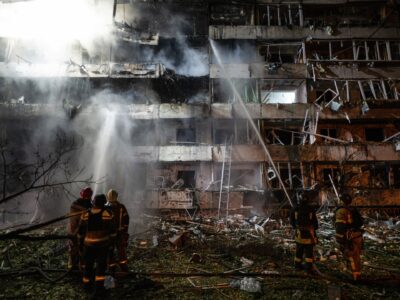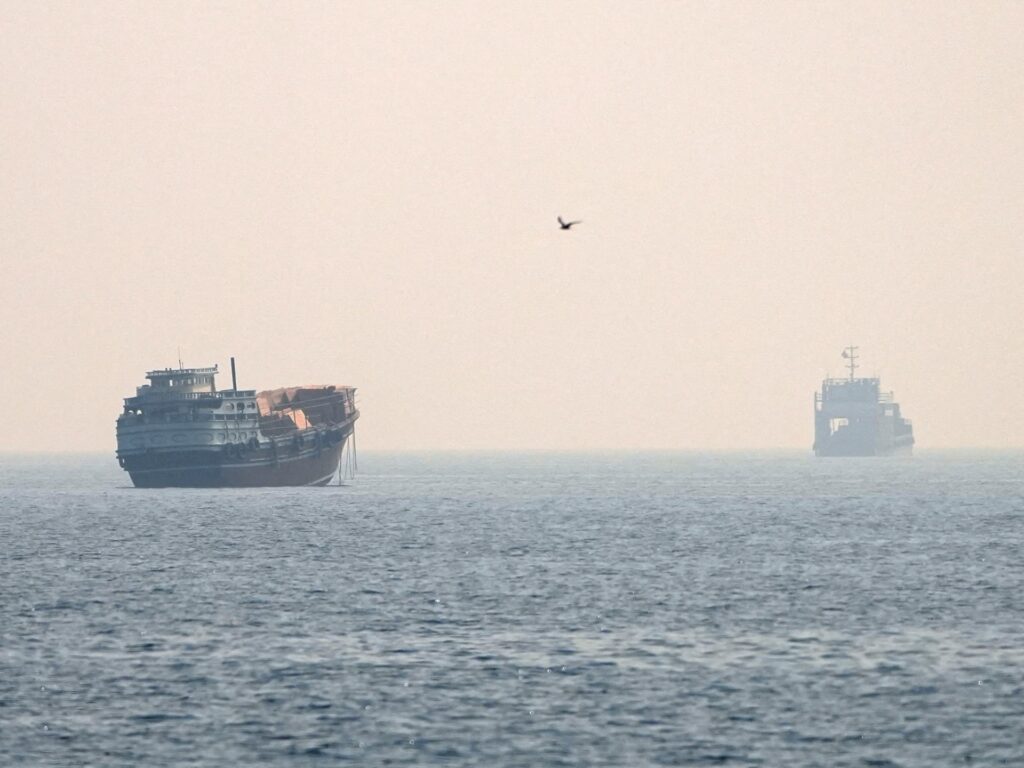
Tensions between the United States and Iran have escalated sharply following a series of attacks and counterattacks, marking a significant deterioration in relations at an already volatile time. Recent days have seen both nations issue strikes against each other’s strategic military assets, further inflaming concerns around regional stability and global security.
According to Iranian officials, their forces launched coordinated attacks on several sites linked to the US military located in Kuwait, Bahrain, and Qatar. These actions were reportedly in retaliation for a prior US bombardment of targets within Iranian territory, which itself was a response to an unspecified provocation attributed to Iran.
The US military confirmed the bombings in Iran, stating that the operations were carried out with precision to minimize collateral damage while targeting facilities used by Iran’s military or its affiliated paramilitary groups. Turmoil has since escalated with swift Iranian retaliatory strikes, creating a precarious environment fraught with the risk of prolonged conflict.
International mediators and diplomatic figures have urged both the United States and Iran to exercise restraint. There has been a strong call for both parties to uphold the terms of a Memorandum of Understanding (MoU) that underscores existing commitments to avoid further military engagement and work towards de-escalation and dialogue.
The mediation efforts emphasize the need to prevent a full-scale military conflict, highlighting the dangers such confrontations pose not only to the region but to global peace as well. Regional powers and global stakeholders have been actively engaged in behind-the-scenes negotiations, seeking pathways to restore diplomatic channels and recommit both nations to negotiation over hostilities.
Experts warn that continued military exchanges may spur wider destabilization in the Middle East, impacting international energy markets and global economic stability. The interconnected nature of regional conflicts makes the situation especially volatile, urging an immediate return to diplomacy.
Humanitarian concerns are mounting as civilians in affected areas face increasing uncertainty and risk from the ongoing confrontations. Both nations’ governments are being called upon to prioritize civilian safety and uphold international humanitarian laws.
This recent bout of military action highlights the fragile and complex nature of US-Iran relations, which have long been marked by mistrust and conflicting interests. While the past years have seen occasional diplomatic efforts, the renewed violence underscores the challenges faced in sustaining peace and security.
Moving forward, the international community looks to sustained diplomatic engagement and enforcement of agreed-upon frameworks like the MoU as crucial steps towards mitigating conflict and fostering a more stable and peaceful coexistence between the United States and Iran.