The Rajapaksa family, once a dominant force in Sri Lankan politics, is currently under intense scrutiny as several members and their allies face investigations for corruption and criminal activities. This development marks a significant turn in the nation’s political landscape, highlighting issues of governance, accountability, and the rule of law.
The Rajapaksa dynasty has been influential in Sri Lanka for decades, with Mahinda Rajapaksa serving as the President from 2005 to 2015, and several family members holding key government positions. Their period in power was characterized by strong nationalist policies and rapid infrastructure development, but also accusations of authoritarianism, nepotism, and economic mismanagement.
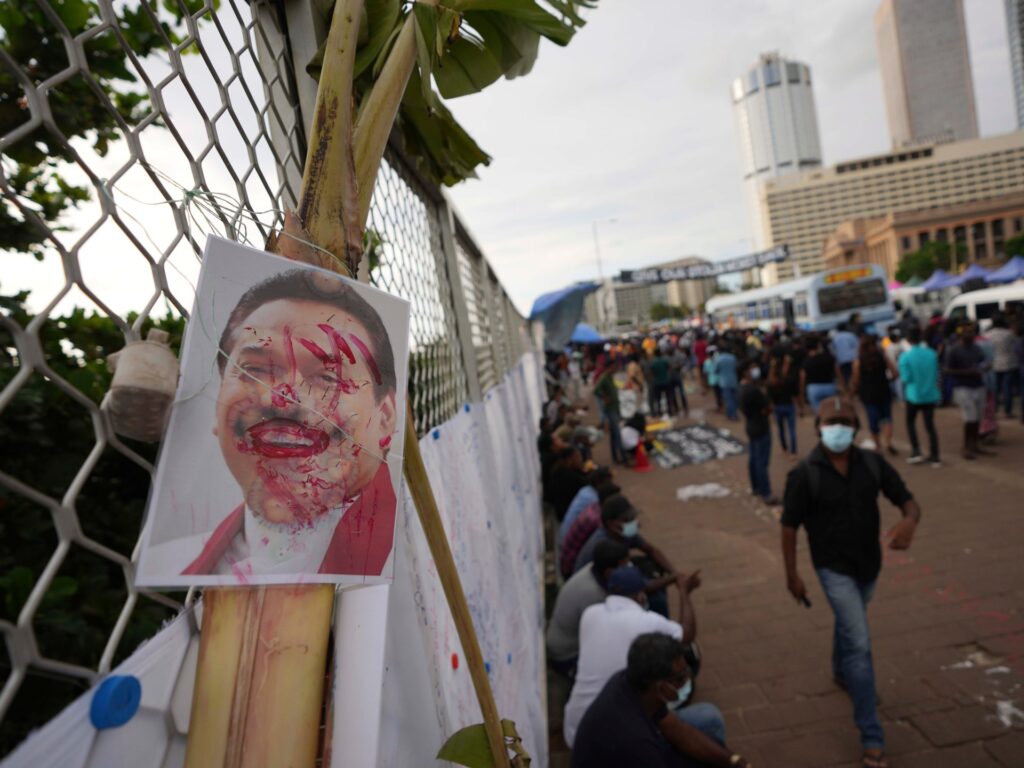
Investigations have intensified following public protests and economic turmoil, where citizens demanded transparency and accountability from their leaders. Key figures from the Rajapaksa family, including Mahinda Rajapaksa’s wife, have been arrested as part of these probes.
Charges against the Rajapaksas encompass alleged embezzlement of state funds, abuse of power, and involvement in illegal activities that compromised the integrity of Sri Lankan institutions. The arrests symbolize a broader crackdown on corruption and a push to restore trust in the political system.
This unprecedented move has significant political implications, as the Rajapaksa family had long been perceived as untouchable within Sri Lanka’s political arena. Their investigation may lead to a reconfiguration of power structures and pave the way for reforms aimed at enhancing transparency and governance.
International observers have welcomed the investigations, viewing them as necessary steps towards justice and democratic consolidation in Sri Lanka. However, the process remains delicate, with concerns about political retaliation and the potential for instability.
The Rajapaksa investigation underscores the challenges faced by nations grappling with corruption rooted at the highest levels of leadership. It also serves as a cautionary tale for other countries where political dynasties dominate.
As Sri Lanka moves forward, the focus remains on ensuring that justice prevails without compromising the country’s fragile political and economic landscape. The outcome of these investigations will likely influence Sri Lanka’s future political discourse, governance standards, and its standing in the global community.