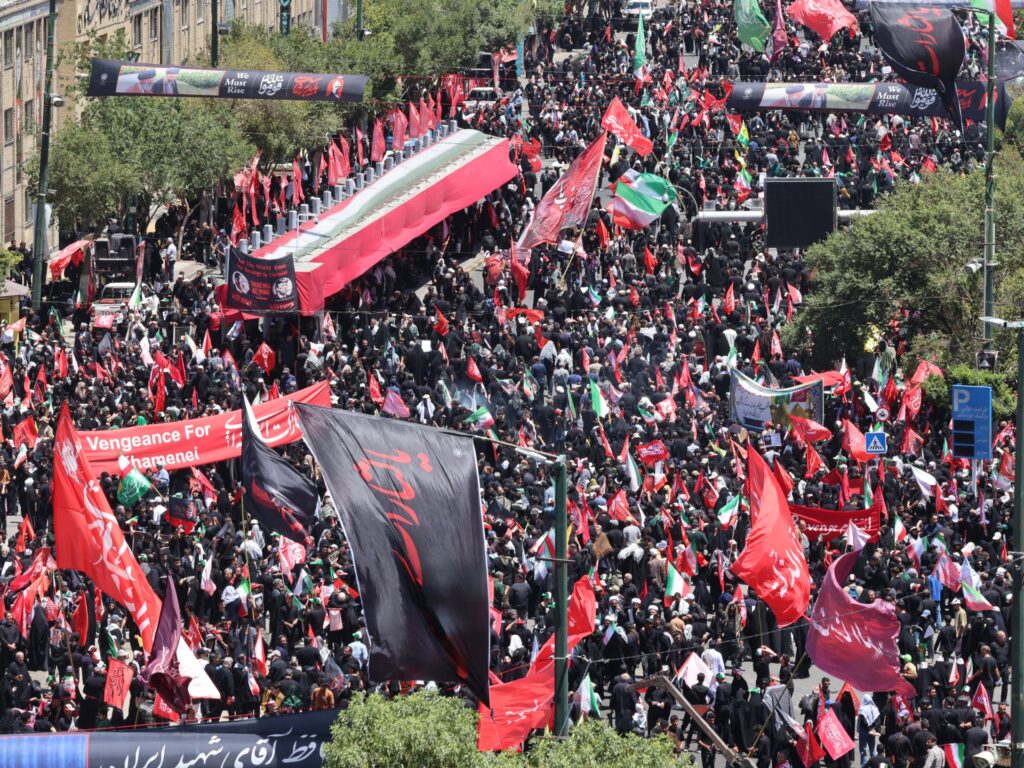
Iran is preparing to bury its late Supreme Leader, Ayatollah Ali Khamenei, following widespread funeral processions across the country. The announcement has sent ripples through the nation, marking the end of an era for one of the most influential figures in modern Iranian history. The burial will take place in Khamenei’s hometown, the eastern holy city of Mashhad, which holds significant religious and cultural importance in Iran.
The death of Khamenei has triggered an outpouring of grief and mourning nationwide. Cities and towns have organized mass funeral processions, drawing thousands of supporters who wish to pay their respects to the deceased leader. These events reflect the profound impact Khamenei had on political and religious life in Iran during his tenure.
Ayatollah Khamenei served as Supreme Leader for several decades, shaping Iranian policies both domestically and internationally. His leadership was characterized by a strong resistance to Western influence, emphasizing the country’s Islamic values and sovereignty. Over the years, Khamenei became a symbol of Iran’s ideological identity and political continuity.
The decision to bury Khamenei in Mashhad is deeply symbolic. Mashhad is the site of the shrine of Imam Reza, the eighth Imam in Twelver Shia Islam and one of the most revered figures in Shia tradition. The city attracts millions of pilgrims annually, and being laid to rest there places Khamenei among other significant religious and political figures.
Government officials have been coordinating the funeral arrangements, ensuring that the burial ceremonies reflect the gravity of Khamenei’s legacy. Security measures have been heightened in Mashhad and other major cities to maintain order during the large-scale gatherings expected to attend the funeral.
Political analysts predict that this moment marks a critical juncture for Iran’s future. The transition of power following Khamenei’s death may lead to shifts in domestic policies and international relations. The new leadership will have to navigate the complex landscape Khamenei helped shape.
The funeral processions and the final burial represent not only a farewell to a leader but also a deeply emotional event for the nation’s people. For many Iranians, Khamenei was a pillar of strength and ideological guidance, and his passing leaves an indelible mark on the country’s history.
In addition to mourning, there is also a sense of uncertainty and anticipation about what steps will follow. The coming weeks will be critical as the political and religious establishments consolidate around a new Supreme Leader, and Iran adjusts to a post-Khamenei era.
The impact of Khamenei’s death extends beyond Iran’s borders. His policies and leadership style influenced regional geopolitics across the Middle East. International observers are closely monitoring the developments to gauge how Iran’s approach to global issues might evolve.
As Iran prepares for the burial in Mashhad, the nation stands at a crossroads. The massive funeral processions demonstrate both reverence for the past and a collective contemplation of the future. Khamenei’s legacy, enshrined now in his final resting place, will undoubtedly continue to influence the trajectory of Iran for years to come.