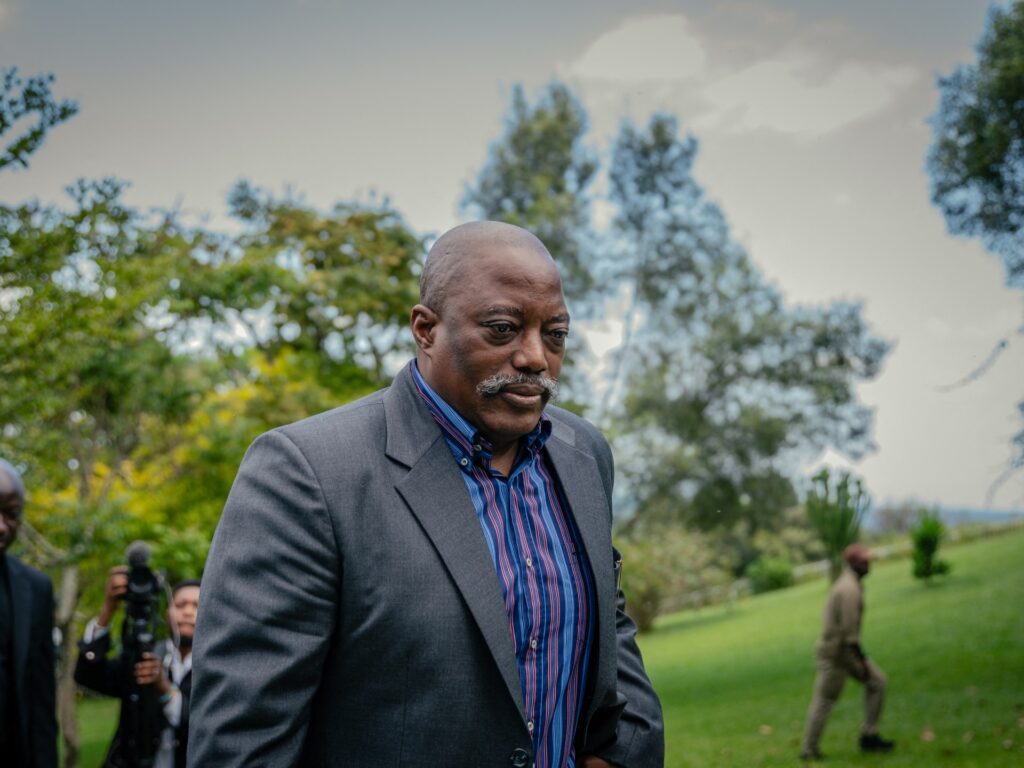
In a startling development that has profound implications for regional stability in Central Africa, former President of the Democratic Republic of Congo (DRC), Joseph Kabila, has reportedly aligned himself with the M23 rebel group. This move not only intensifies the conflict dynamics within the DRC but also confirms long-standing accusations from the current government in Kinshasa regarding Kabila’s alleged connections with armed militias.
Joseph Kabila, who ruled the DRC from 2001 to 2019, has been a controversial figure in Congolese politics. After handing over power to his successor, Félix Tshisekedi, Kabila remained an influential political player behind the scenes. The newfound alliance with the M23 rebels, however, marks a significant turning point, bringing to light the deep-rooted challenges of maintaining peace and security in one of Africa’s most resource-rich but troubled nations.
The M23 rebel group, predominantly operating in the eastern regions of the DRC, has been accused of multiple human rights abuses, including massacres, displacement of civilians, and illegal exploitation of natural resources. Their resurgence has been a key contributor to ongoing instability in the areas bordering Rwanda and Uganda. The group’s ability to challenge government forces reflects the fragility of the state’s control in these volatile provinces.
Kabila’s reported support for the M23 rebels is significant for several reasons. Firstly, it raises questions about his motives and vision for the DRC’s future. Critics argue that his collaboration with the rebels could be an attempt to regain influence and disrupt the current political order by undermining Tshisekedi’s government. Such interference could exacerbate the already fragile peace process and destabilize the region further.
Secondly, this alliance underlines the complex interplay between political power and armed conflict in the DRC. It exposes how former power holders may use armed groups as leverage to safeguard their interests, which in turn perpetuates cycles of violence. This dynamic has made conflict resolution efforts more complicated, as armed groups often represent not just political grievances but also economic ambitions tied to the DRC’s vast mineral wealth.
Furthermore, the international community may find itself at a crossroads in responding to this development. Kabila’s alignment with the M23 could necessitate a recalibration of diplomatic and security strategies by regional bodies such as the African Union and the United Nations. There is an urgent need to address the roots of the conflict, including governance issues, corruption, and cross-border alliances that fuel rebel movements.
The DRC government’s accusations against Kabila have been a subject of debate for years, but recent events have lent credence to these claims. If proven true, Kabila’s involvement with the M23 would signify a breach of the peace and stability goals championed by both the DRC and its regional neighbors. It also poses ethical questions about post-presidential conduct and accountability in conflict zones.
On the ground, this development complicates the security situation for civilians living in affected regions. The presence of a powerful rebel ally such as a former president could embolden M23 fighters, leading to intensified clashes with government forces. This jeopardizes the safety and livelihoods of populations already ravaged by years of violence and displacement.
Moreover, this situation highlights the need for stronger governance reforms in the DRC to prevent political leaders from manipulating armed groups. Political inclusiveness, transparent institutions, and equitable management of natural resources are critical to breaking the cycle of conflict.
In conclusion, Joseph Kabila’s reported alliance with the M23 rebels represents a dangerous intertwining of political ambition and armed rebellion that threatens to destabilize the DRC and the wider Great Lakes region. It serves as a stark reminder of the challenges of post-conflict governance and the importance of sustained efforts for peacebuilding and inclusive development. Addressing this crisis requires coordinated action from local leaders, regional partners, and the international community to ensure a peaceful and prosperous future for the DRC.