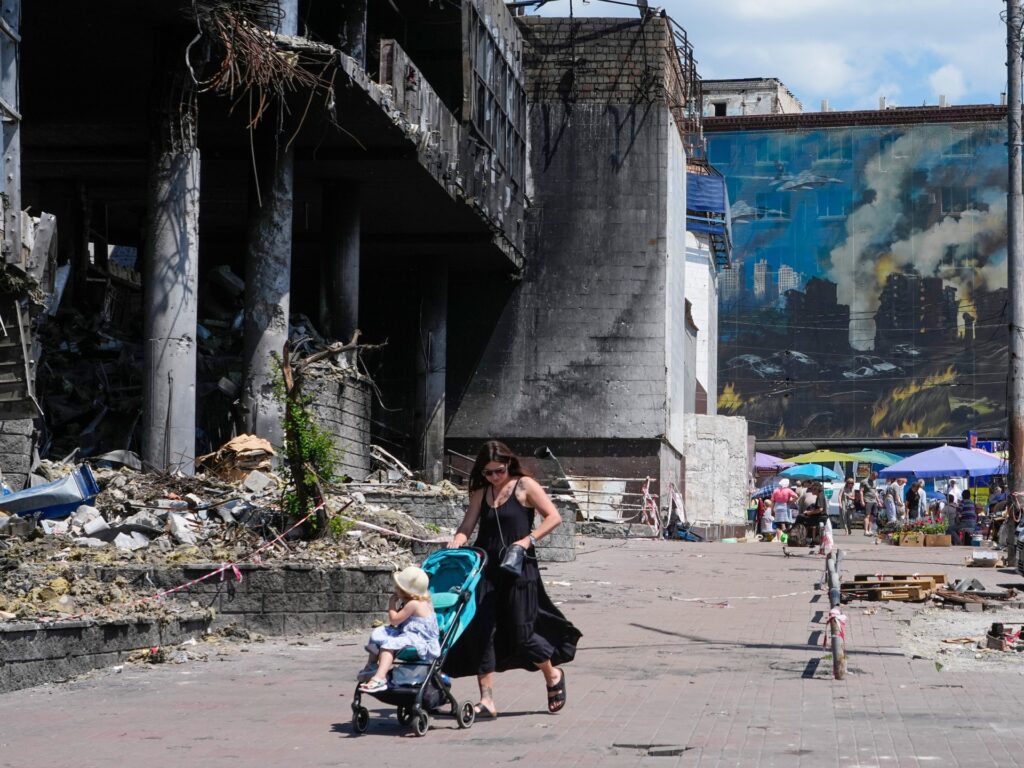
A recent missile strike in Ukraine resulted in the tragic deaths of three individuals, escalating concerns about the ongoing conflict’s toll on civilians. The attack underscores the persistent violence in the region as tensions between Kyiv and Moscow continue to simmer.
Ukraine has previously accused Russia of employing cluster munitions in its military operations. Cluster munitions are banned by many countries due to their devastating impact; when deployed, these weapons scatter numerous smaller sub-munitions over a wide area, posing severe risks to both combatants and non-combatants long after the initial attack.
The use of such munitions has drawn international condemnation, with several human rights organizations calling for accountability and stringent measures to prevent further civilian casualties. These weapons increase the risk of unexploded ordnance remaining in inhabited areas, leading to prolonged danger for civilians, particularly children.
While the human cost of the conflict grows, Russia is concurrently facing significant economic pressures exacerbated by the war. International sanctions, reduced trade, and the strain of sustaining military efforts have negatively impacted Russia’s economy. This economic strain adds complexity to the geopolitical landscape and influences Moscow’s strategic decisions.
Experts suggest that the war’s prolonged nature and economic impact may lead to unpredictable outcomes for both countries. Ukraine continues to rally international support to defend its sovereignty, while Russia grapples with balancing military ambitions and economic realities.
The global community remains vigilant, urging for diplomatic solutions to the conflict that prioritize the protection of civilians and the restoration of peace in the region. Meanwhile, the lives lost in missile strikes and other hostilities serve as a somber reminder of the urgent need for dialogue and resolution.