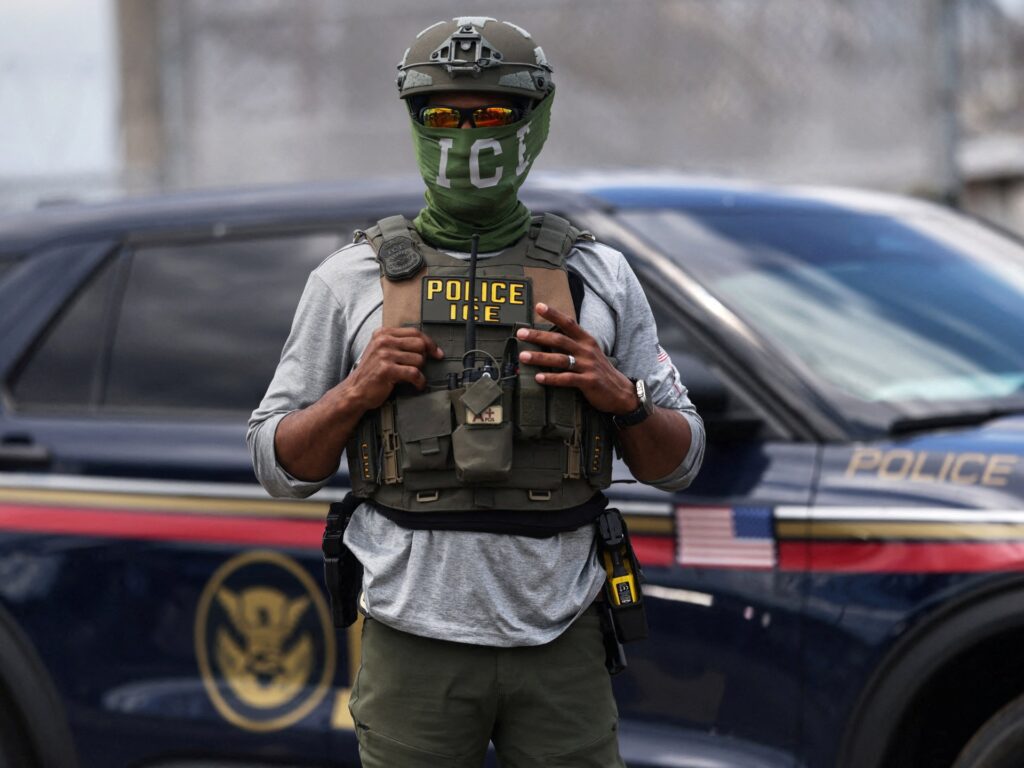
The U.S. Immigration and Customs Enforcement (ICE) agency has officially rejected a recent recommendation from a government watchdog regarding its body camera policy. The report suggested that ICE improve and expand its use of body-worn cameras to enhance transparency and accountability during its operations.
The watchdog’s report emphasized the importance of body cameras in documenting interactions between ICE officers and the public. It argued that automatic recording features could ensure that footage is consistently captured during all significant encounters, thereby increasing oversight and potentially reducing allegations of misconduct.
However, ICE dismissed these recommendations, asserting that their current policies and practices surrounding body camera usage are sufficient. The agency maintained that their existing protocols adequately balance operational security concerns with transparency efforts.
Critics argue that ICE’s refusal to adopt automatic recording features could undermine public trust, especially given the contentious nature of immigration enforcement activities. Advocates for reform contend that automatic body camera activation would provide an unbiased and continuous record of interactions, which could be crucial during investigations of complaints against officers.
ICE’s stance comes amid ongoing debates about law enforcement accountability, particularly in agencies that engage with vulnerable populations. Despite mounting pressure for increased transparency, the agency insists that any changes to body camera policies should consider practical and security challenges.
The watchdog’s report continues to call for reforms, highlighting examples from other law enforcement agencies that have successfully implemented automatic recording to positive effect. These agencies report improvements in officer behavior, reduced complaints, and enhanced community relations.
ICE, however, questions the applicability of these models to their unique operational environment, citing concerns about sensitive immigration enforcement tactics that might be compromised by pervasive video recording.
The agency’s rejection has sparked responses from civil rights groups and policymakers who urge ICE to reconsider its position. They argue that the benefits of automatic body camera recording outweigh the potential drawbacks and that transparency is essential for public confidence.
As the conversation about policing and immigration enforcement continues to evolve, the question of how best to use technology like body cameras remains a critical issue. ICE’s decision to reject the watchdog’s recommendation highlights the complexities involved in balancing transparency, officer safety, and operational effectiveness.
This issue is likely to remain in the spotlight as stakeholders push for clearer policies that prioritize accountability and community trust in immigration-related operations.