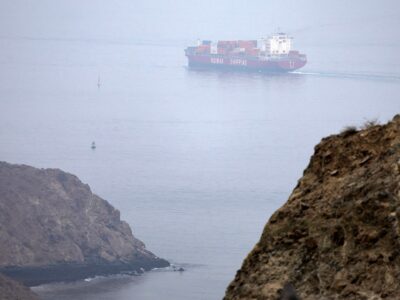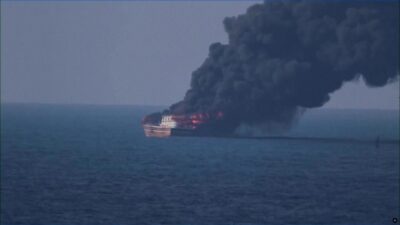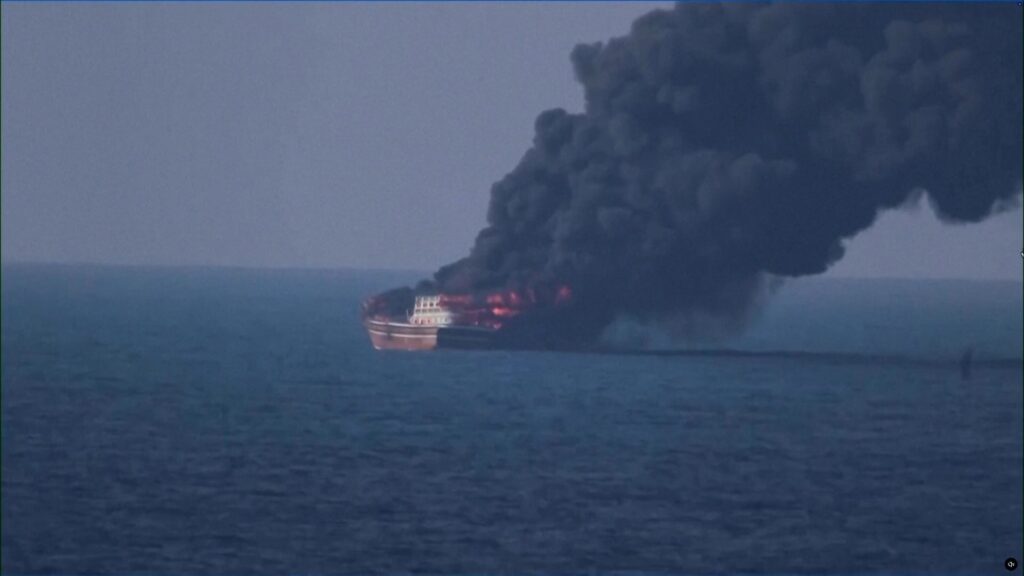
In a recent strategic move in the volatile waters of the Gulf of Oman, the United States military destroyed a dhow suspected to be operating under Iranian command and control. The US authorities alleged that the boat was engaged in unauthorized surveillance activities, posing a security threat in the region.
This incident occurred amid escalating tensions between the US and Iran, with both nations frequently accusing each other of espionage and aggressive maneuvers in international waters. The dhow, a traditional sailing vessel commonly used in the region, was identified through intelligence sources as being affiliated with Iranian forces and implicated in command and control operations.
According to the US military, the boat was surveilling shipping lanes and possibly gathering sensitive information that could compromise the safety of commercial and military vessels operating in the Gulf of Oman. Acting on this intelligence, a US naval force took decisive action to neutralize the threat by destroying the vessel.
Officials emphasized that the operation was conducted in accordance with international maritime law, underscoring the right to defend freedom of navigation and ensure regional security. The incident highlights the ongoing challenges faced in maintaining maritime safety in strategic chokepoints such as the Gulf of Oman, which serves as a key transit route for global oil shipments.
The US Department of Defense clarified that no US personnel were harmed during the operation and that the destruction of the dhow sends a clear message against attempts to use civilian vessels for hostile purposes. Meanwhile, Iranian officials have not yet offered a public response to the incident.
This event is part of a broader context of heightened scrutiny and military vigilance in the Persian Gulf and adjacent waters, where several confrontations and incidents have underscored the delicate balance of power. The US continues to assert its commitment to thwarting malign activities and safeguarding free navigation for all maritime nations.
Maritime security experts note that the use of dhows for surveillance reflects a tactic to mask intelligence activities under the guise of civilian maritime traffic, complicating detection and response efforts. The destruction of the dhow may deter similar attempts but also raises concerns about potential retaliatory measures by Iran or its proxies.
In conclusion, the US action demonstrates a proactive approach to securing critical maritime domains and counters efforts by state-affiliated actors to undermine stability in a strategically crucial region. As global powers monitor these developments, the need for clear communication and robust security cooperation remains paramount to prevent escalation and protect vital sea lanes.