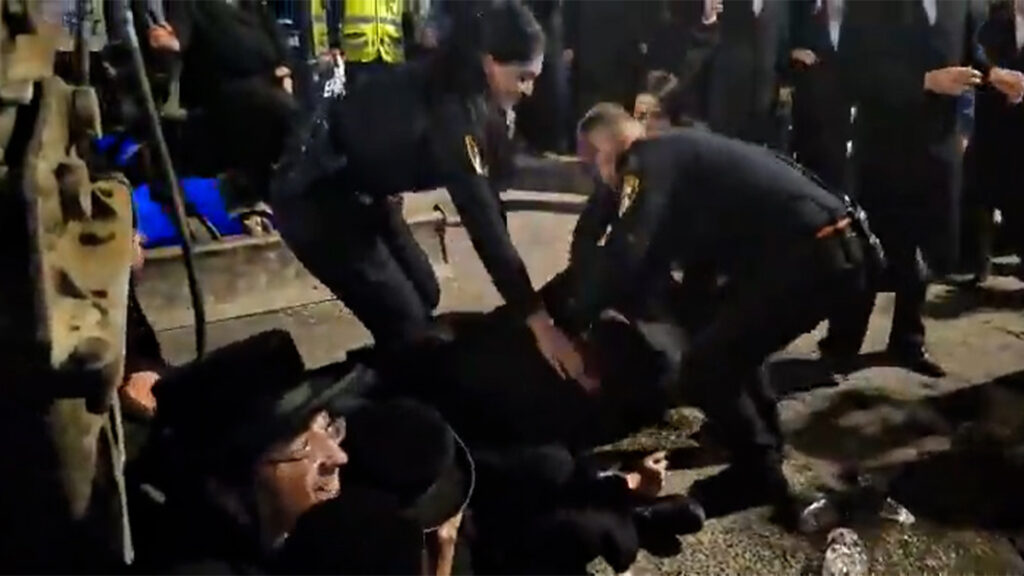
On Monday, Israeli police clashed with Ultra-Orthodox (Haredi) Jewish protesters who were demonstrating against mandatory military conscription. The protests erupted as the government enforces draft laws requiring all citizens, including the ultra-Orthodox community, to serve in the military. This conscription policy has long been a contentious issue, with the Haredi community traditionally exempted due to religious study commitments.
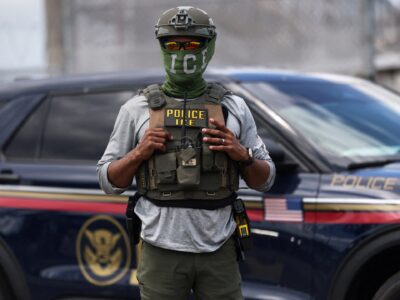
The police presence was notable as officers attempted to disperse the crowds at several protest locations, leading to confrontations that resulted in injuries and arrests. Protesters expressed deep frustration, arguing that mandatory service violates their religious and cultural values, and disrupts their way of life.
The Israeli government asserts that mandatory conscription supports national security and promotes equality among all citizens. However, ultra-Orthodox leadership counters that military service conflicts with their religious observance and would undermine the community’s educational system.
This clash highlights ongoing tensions between the state’s efforts to integrate all segments of society into national service and the ultra-Orthodox community’s resistance based on faith and tradition. Previous attempts to resolve this divide have resulted in political debates, legal battles, and sporadic protests.
As protests continue, there are growing concerns about the long-term social and political ramifications. The government faces pressure to find a balanced approach that respects religious freedoms while maintaining conscription policies considered vital for the nation’s defense.
Community leaders from both sides call for dialogue to reduce tensions and achieve a compromise. Meanwhile, residents in affected areas deal with the immediate impact of street demonstrations and heightened security measures.
The situation remains fluid, with authorities monitoring developments closely and emphasizing the importance of maintaining public order. The international community watches attentively, recognizing the significance of stable relations among Israel’s diverse population groups.
This recent confrontation underscores the challenges faced by Israel in balancing democratic principles, religious liberties, and security needs amid shifting societal expectations.