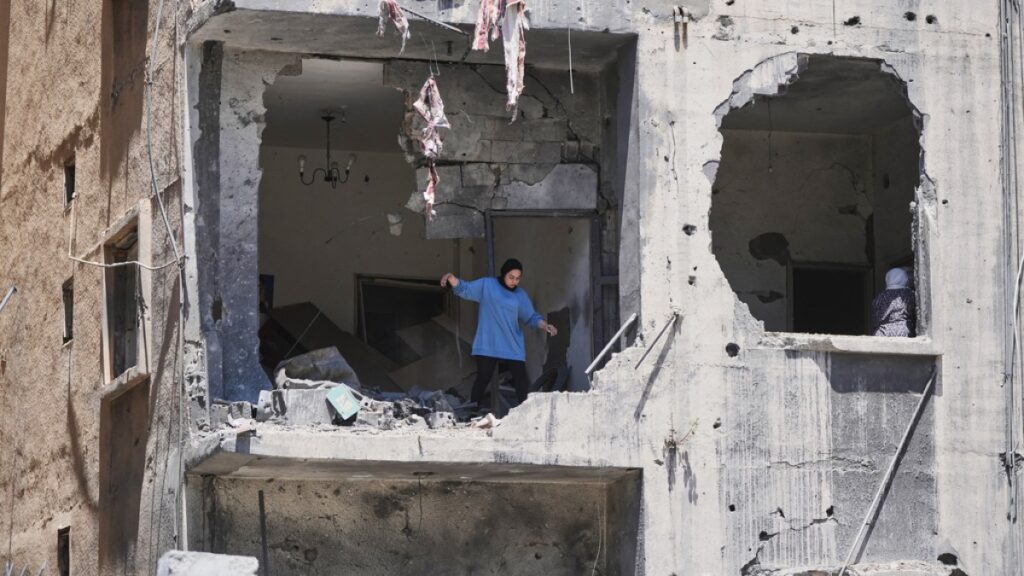
As Lebanon becomes a focal point in the fragile dynamics of US-Iran diplomacy, analysts emphasize the urgent need for former President Donald Trump to moderate Israeli Prime Minister Benjamin Netanyahu’s aggressive actions. The recent invasion and attacks by Israel in Lebanon are widely viewed as the greatest vulnerability threatening the delicate US-Iran negotiations.
Trita Parsi, a prominent analyst on Middle Eastern affairs, warns that Israel’s military operations in Lebanon risk undermining the efforts to establish a sustainable diplomatic agreement between the US and Iran. According to Parsi, these actions could escalate regional tensions, potentially igniting a broader conflict that would derail ongoing diplomatic progress.
The US-Iran deal, aimed at curbing Iran’s nuclear ambitions and stabilizing the region, depends heavily on maintaining a balance of influence and avoiding open confrontations that could provoke retaliation or military escalation. Lebanon, with its complex sectarian divisions and the presence of Hezbollah—a powerful Iran-backed militant group—stands at the heart of this geopolitical tinderbox.
Israel’s heightened military activity in Lebanon is perceived as a direct challenge to Iran’s regional influence. Netanyahu’s government justifies the invasion as a necessary measure against Hezbollah’s growing capabilities, which Israel views as an existential threat. However, such justifications come with the risk of intensifying a broader conflict, which could rapidly spiral beyond Lebanon’s borders.
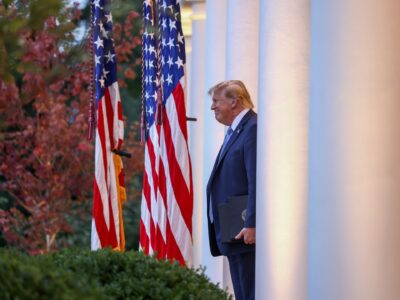
Analysts argue that Trump’s historical relationship with Netanyahu and his administration’s policies will play a pivotal role in shaping the trajectory of this crisis. They suggest that prudence and restraint are essential to prevent Netanyahu’s aggressive stance from sabotaging the diplomatic efforts to stabilize the region.
The geopolitical stakes extend beyond Lebanon and Iran to involve broader US interests in the Middle East. Any escalation in Lebanon could disrupt global energy markets, alienate US allies, and empower extremist factions. Therefore, analysts urge the Trump administration to act decisively to restrain Netanyahu’s military initiatives and endorse a diplomatic strategy geared toward de-escalation.
In conclusion, the analysts underscore that Lebanon’s current crisis represents a critical test for the US-Iran deal. Successfully navigating this period requires diplomatic finesse, robust conflict resolution approaches, and a coordinated effort to prevent open conflict. Trump’s leadership in managing Netanyahu’s responses could determine the future stability of US-Iran relations and the broader Middle East.