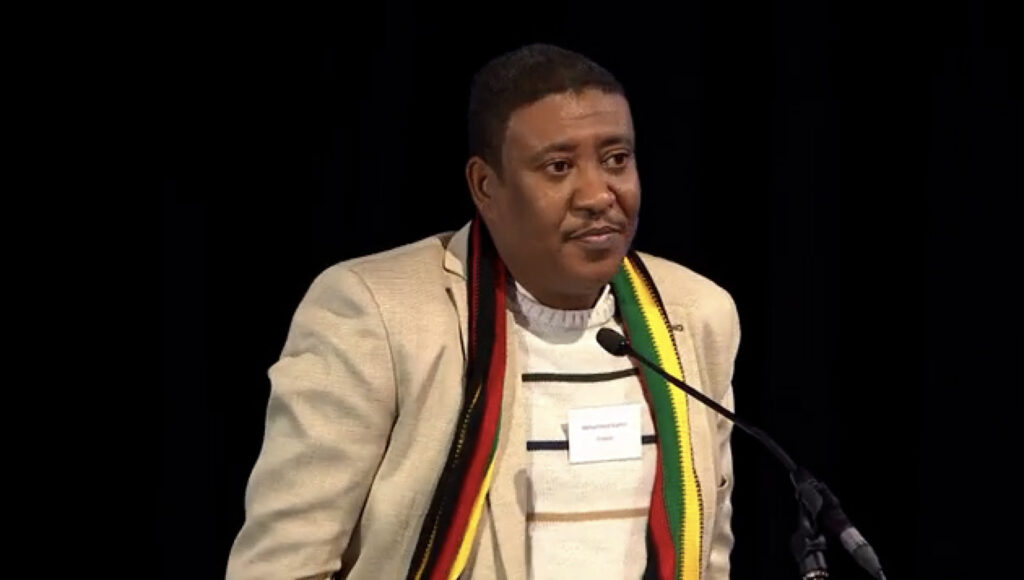
Mohammed Amin, a highly respected Sudanese journalist, was recently honored with the prestigious title of ‘Journalist of the Year.’ This accolade recognizes Amin’s outstanding contributions to journalism, particularly his courageous reporting on sensitive political issues in Sudan. His work has brought international attention to the struggles within his country, highlighting human rights abuses and advocating for democratic reforms.
Despite this significant recognition, Amin was unable to attend the award ceremony due to the United Kingdom’s refusal to grant him a visa. The visa denial has sparked considerable disappointment among supporters and raised questions about the UK’s immigration policies, especially concerning individuals involved in critical and influential reporting from troubled regions.
Amin’s designation as ‘Journalist of the Year’ was a testament to his relentless pursuit of truth under challenging and often dangerous circumstances. His reporting has not only informed the global community but also inspired a generation of journalists working in conflict zones and environments with limited press freedom.
The award ceremony, held in London, was attended by many prominent media personalities and dignitaries, further emphasizing the significance of Amin’s accomplishments. However, the empty seat where he was to be honored symbolized the growing difficulties faced by journalists worldwide in gaining access to platforms that recognize their vital work.
Observers and press freedom advocates have expressed concern that denying a visa to a journalist of Amin’s stature might set a troubling precedent. It underlines the ongoing challenges that journalists face beyond their home countries, including restrictive visa policies that impede their ability to participate fully in international discourse.
The UK Home Office has not provided a detailed explanation for the visa refusal, prompting calls for greater transparency and review of the decision. Many argue that facilitating access for journalists like Amin is crucial in promoting free speech and supporting independent media worldwide.
Amin’s experience has reignited a broader conversation about the intersection of immigration policies and press freedom. Advocates argue that international recognition events should serve as platforms for bridging gaps and fostering global solidarity among journalists, not as barriers imposed by bureaucracy.
Despite the setback, Amin remains committed to his work and has expressed gratitude for the international acknowledgment of his efforts. He continues to report from Sudan, undeterred by the visa refusal, shining a light on important issues and championing the cause of free and fair journalism.
This incident serves as a reminder of the complex challenges journalists face today, from threats in their home countries to hurdles abroad. It highlights the need for continued vigilance and support for press freedom globally, ensuring that deserving journalists are not silenced or sidelined regardless of geographical or political boundaries.