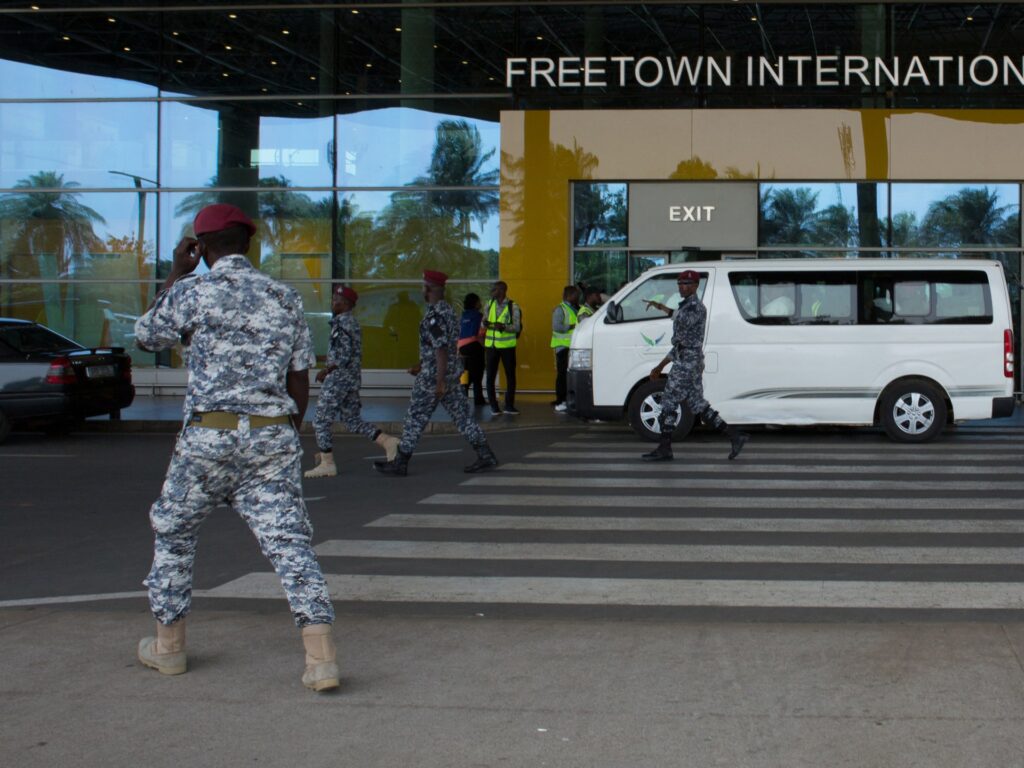
In a significant development reflecting the United States’ stringent immigration policies, Sierra Leone has received the first group of West African migrants deported from the US. This initial delegation consists of nine individuals, marking the beginning of a new phase in the US’s crackdown on illegal immigration.
The deportees, predominantly from Sierra Leone and neighboring West African countries, were expelled as part of a broader initiative aimed at curbing unauthorized migration to the US. This move underscores the US government’s resolve to enforce immigration laws more rigorously and manage the flow of migrants more strictly.
Sierra Leonean officials have received the group with a mix of concern and readiness, acknowledging the challenges that come with reintegrating returnees who have experienced deportation. The government is reportedly mobilizing resources to support these individuals’ reintegration into society, including providing counseling, job placement assistance, and community support.
The broader implications of this policy are significant. For Sierra Leone and other West African nations, it highlights the ongoing migration pressures facing many citizens who seek better opportunities abroad but face legal and social hurdles.
Human rights organizations have expressed concern about the treatment of deportees and the conditions they face upon return, urging both the US and recipient countries to ensure humane treatment and effective support mechanisms. The situation brings to light the complex realities of migration, where economic desperation and stringent immigration policies collide.
Experts suggest that Sierra Leone may need to strengthen its border controls and work closely with regional partners to address the root causes of migration, including poverty, unemployment, and political instability. These efforts must be coupled with international cooperation and support to create sustainable alternatives for potential migrants.
The arrival of these deportees is expected to spark discussions within Sierra Leone about the country’s migration policies and the need for comprehensive strategies to support citizens abroad and at home. It also calls for enhanced diplomatic engagement between Sierra Leone and the US to ensure that immigration enforcement respects the dignity and rights of individuals.
In conclusion, Sierra Leone’s reception of the first group of West African deportees from the US is a pivotal event that highlights the ongoing challenges and complexities of migration management. It calls for collaborative efforts among governments, civil society, and international bodies to create solutions that balance security concerns with human rights and development goals.