The documentary focusing on Gaza, initially shelved by the BBC, has sparked a strong reaction after winning a prestigious Bafta award. The film, which delves into critical issues faced by the people of Gaza, was controversially pulled from airing by the broadcaster, igniting accusations of censorship and silencing of important voices.
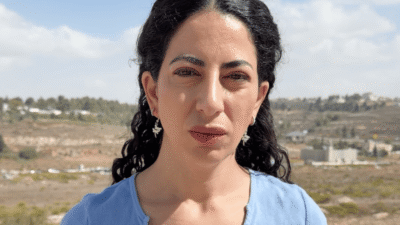
Ramita Navai, the journalist and presenter of the documentary, expressed her defiance and disappointment during the Bafta award ceremony. “We refuse to be silenced and censored,” Navai stated passionately while accepting the accolade. This sentiment resonated with many who view the shelving of the documentary as an act of suppression rather than protection.
The Bafta win has brought renewed scrutiny to the BBC’s decision-making processes concerning editorial independence and freedom of expression. Critics argue that the shelving decision undermines the role of media in providing truthful, uncensored narratives, especially in conflict zones like Gaza.
This controversy has sparked a broader discussion about the responsibilities of major broadcasters when handling sensitive and politically charged content. Supporters of the filmmakers emphasize the importance of stories that challenge prevailing narratives and give voice to marginalized communities.
The documentary’s success, despite being withheld from public viewing by one of the world’s leading broadcasters, highlights the power and perseverance of filmmakers committed to unveiling difficult truths. It also raises important questions about media ethics and the influence of political pressures on journalistic work.
The Bafta recognition could potentially encourage other media organizations to reconsider their stances on similar content and promote a culture of transparency and openness in reporting.
As the debate continues, Ramita Navai and her team remain steadfast in their mission to bring light to the realities in Gaza, urging the international community to acknowledge their stories. The award not only honors their work but also underscores the vital role of courageous journalism in a time of global challenges.
In response to the award, the BBC has yet to release a comprehensive statement addressing the concerns raised by the filmmakers and the public. Meanwhile, advocates for press freedom hope this incident will lead to critical reflections and policy revisions within media institutions.
This incident serves as a powerful reminder of the intricate balance between editorial judgement, political sensitivities, and the ethical obligation to inform the public. The filmmakers’ victory at Bafta is seen not only as a personal triumph but also as a beacon for future filmmakers challenging censorship and advocating for truthful storytelling.