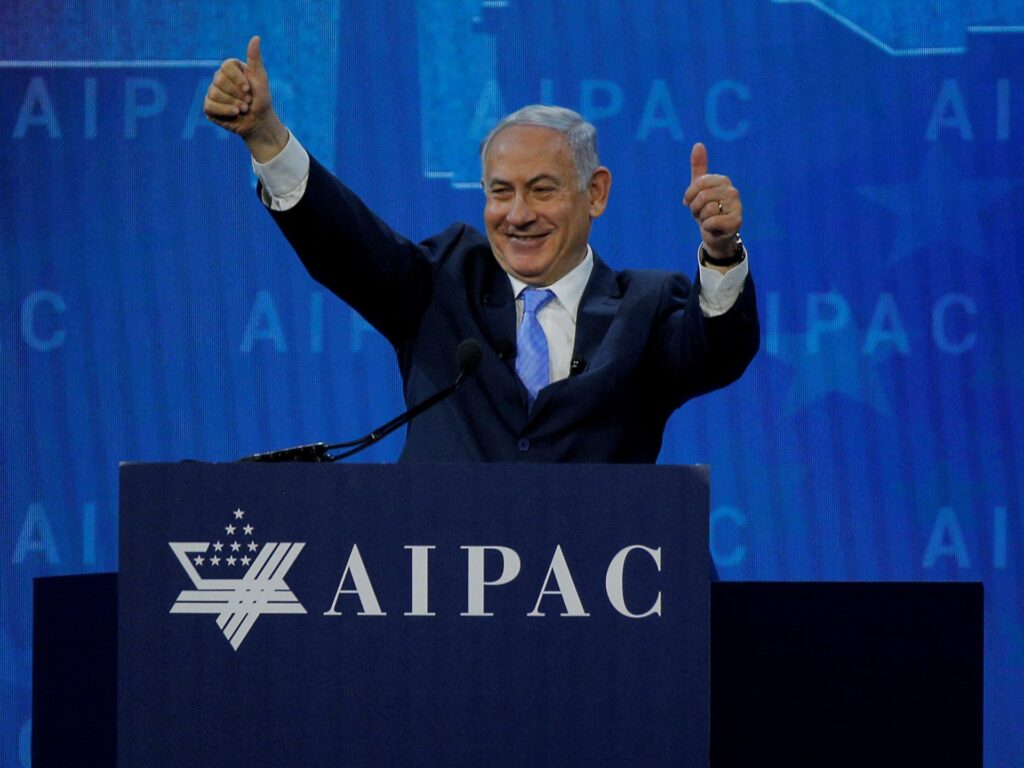
The American Israel Public Affairs Committee (AIPAC), long recognized as one of the most influential pro-Israel lobby groups in the United States, is increasingly facing criticism and controversy. As scrutiny mounts, AIPAC appears to be attempting to obscure its financial involvement in US elections.
Al Jazeera’s recent analysis has shed light on how this powerful organization has been utilizing shell Political Action Committees (PACs) with misleading names to channel funds during electoral campaigns. These practices are allegedly aimed at defeating politicians who are critical of Israeli policies, presenting a challenge to transparency and campaign finance ethics.
AIPAC’s traditional role has been that of an open, highly visible lobbyist, engaging directly with lawmakers, mobilizing grassroots supporters, and shaping policy discourse related to Israel-US relations. However, growing dissent over its methods and influence has rendered the organization ‘toxic’ in some political circles, which critics say hampers honest debate about Israel and Palestine.
To circumvent this negative perception, AIPAC has reportedly increased its reliance on opaque funding mechanisms. By using shell PACs with benign or unrelated names, AIPAC can discreetly support candidates who align with its agenda while avoiding direct association or public scrutiny.
This tactic complicates efforts to track the flow of money in elections and raises questions about the accountability of lobbying practices. Opponents argue it undermines democratic processes and could intimidate those who voice criticism of Israeli policies.
Experts note that while PACs are a legal and common feature of American political campaigning, the use of shell entities for concealment purposes risks crossing ethical boundaries. Transparency advocates are calling for reforms in campaign finance laws to close loopholes exploited by groups like AIPAC.
The evolving strategy signals a shift in how pro-Israel advocacy is conducted in the US political landscape. It highlights broader concerns about the influence of foreign policy interests on domestic elections, as well as the challenges of balancing support for allies with the need for open political dialogue.
As debate continues, it remains to be seen how AIPAC’s approach will impact both its standing in Washington and the broader discourse on the Israeli-Palestinian conflict within the American political system. Increased transparency and accountability may be necessary steps to ensure that democratic election processes remain fair and open to all voices.