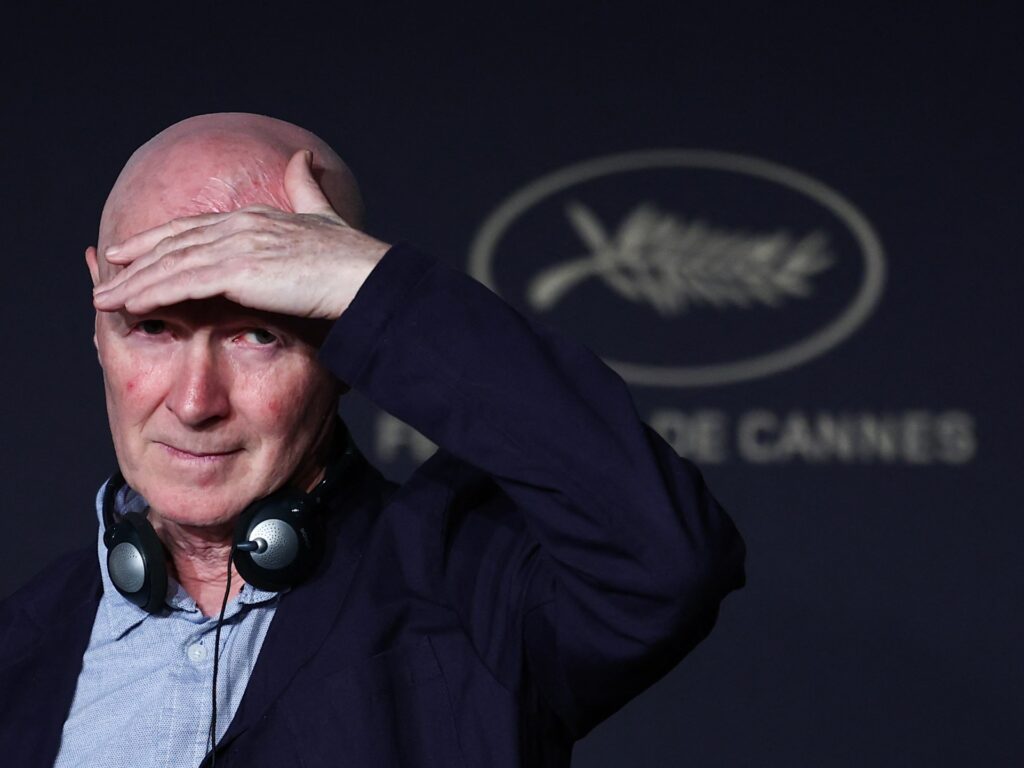
At the 2026 Cannes Film Festival, juror Paul Laverty publicly criticized Hollywood for its apparent boycott of actors who have expressed opposition to the Gaza war. Laverty, a respected screenwriter and filmmaker participating in the prestigious festival jury, voiced his concerns over what he called a troubling trend of silencing dissenting political opinions within the entertainment industry.
The conflict in Gaza has ignited passionate responses worldwide, with many artists using their platform to express humanitarian concerns and political stances. However, according to Laverty, some Hollywood studios and producers have responded by distancing themselves from actors who have taken a public stand against the war.
Laverty’s denunciation highlights a broader debate about freedom of expression for celebrities and the ethical responsibilities of the entertainment industry amid global conflicts. He argued that boycotting actors for their views not only undermines democratic values but also erodes the cultural dialogue that cinema promotes.
The boycott reportedly includes actors who have advocated for peace and have been vocal in their criticism of military actions in Gaza. This has sparked a divide within the film community, with some supporting the right of artists to speak freely on humanitarian issues, and others warning that taking political stances could jeopardize industry relationships and audience support.
At Cannes, Laverty stated, “Artists have a unique role to play in reflecting society and challenging injustices. To punish them for their views is antithetical to the spirit of cinema and dialogue.”
The situation underscores the often complex intersection of art, politics, and commerce. Hollywood’s global influence makes it a powerful platform for social commentary, but also a battleground where geopolitical tensions play out in the public eye.
Laverty’s remarks have prompted discussions among festival attendees and industry insiders about the acceptable limits of political expression for those in the public eye. There is growing concern that the current climate may lead to self-censorship among artists, fearing professional repercussions for their political beliefs.
The Cannes Film Festival, known for celebrating artistic freedom and innovation, becomes a critical venue for such debates. Laverty’s outspoken stance serves as a call to protect the rights of artists to engage openly with pressing global issues without fear of retaliation.
This controversy adds to the ongoing conversation about the role of Hollywood and the cultural sector amidst international conflicts, particularly in relation to Middle Eastern geopolitical dynamics. It also raises questions about the responsibilities of cultural institutions and the potential consequences of intertwining art with political agendas.
As the festival progresses, all eyes are on how the industry might respond to Laverty’s criticism. The coming weeks may see further statements from other festival jurors, filmmakers, and actors, potentially shaping the narrative around artistic freedom and political expression in Hollywood and beyond.
Ultimately, Laverty’s denunciation is a poignant reminder of the challenges faced by artists who dare to speak candidly about contentious issues and the resistance they may encounter within powerful institutions reluctant to embrace dissent.