Skip to content
April 24, 2026
  • Facebook
  • Twitter
  • Instagram
  • Youtube
  • tiktok
MILLENNIUM NEWS 24/7

MILLENNIUM NEWS 24/7

Bridging The Community’s World Wide

  • Home
  • IP TV LIVE
  • U.S.News
  • LOCAL ELECTION
  • State News
    • Alabama
    • Alaska
    • Arizona
    • Arkansas
    • California
    • Colorado
    • Connecticut
    • Delaware
    • Florida
    • Georgia
    • Hawaii
    • Idaho
    • Illinois
    • Indiana
    • Iowa
    • Kansas
    • Kentucky
    • Louisiana
    • Maryland
    • Massachusetts
    • Michigan
    • Maine
    • Minnesota
    • Mississippi
    • Missouri
    • Montana
    • Nebraska
    • Nevada
    • New Hampshire
    • New Jersey
    • New Mexico
    • New York
    • North Carolina
    • North Dakota
    • Oregon
    • Pennsylvania
    • Rhode Island
    • South Carolina
    • South Dakota
    • Tennessee
    • Texas
    • Virginia
    • Washington
    • West Virginia
    • U.S. Virgin Islands
  • Politics
  • World News
  • Sports
  • Entertainment
  • Weather
  • Business
  • Health News
  • ADVERTISEMENT
  • About Us
  • Contact us
Live TV

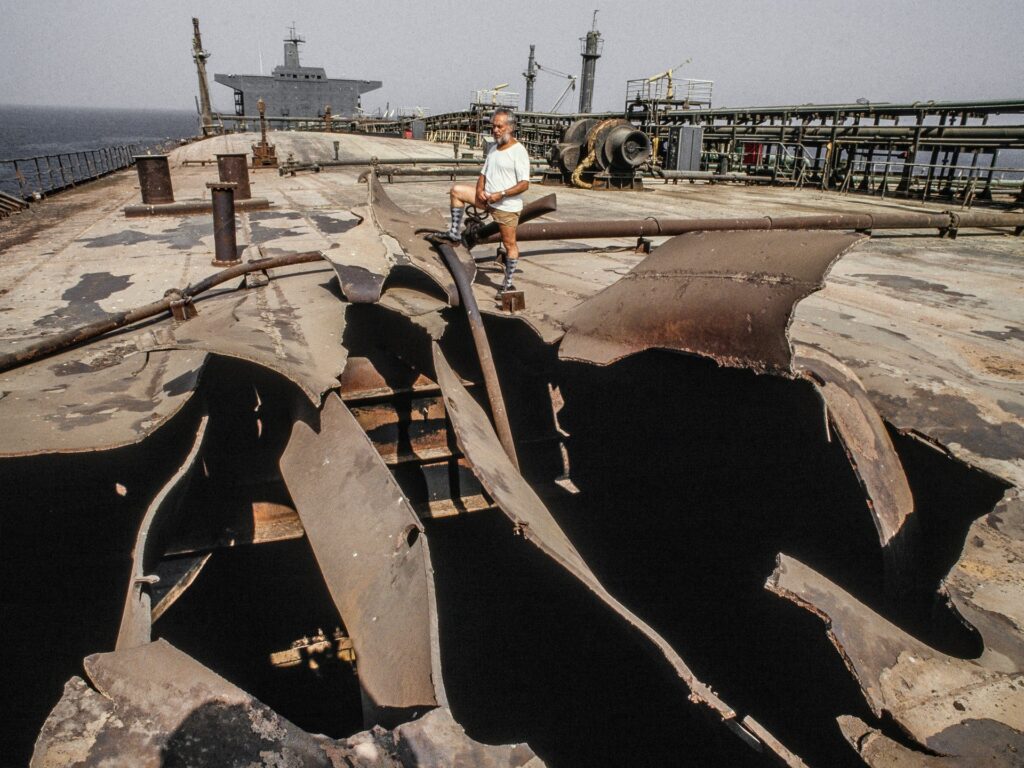
Iran-Iraq Tanker War Redux? Why the Strait of Hormuz Crisis is Different

The Strait of Hormuz, a narrow passage between the Persian Gulf and the Gulf of Oman, has historically been a critical chokepoint for global energy supplies. In the 1980s, during the Iran-Iraq War, the Tanker War phase saw both Iran and Iraq targeting each other’s oil shipments, severely disrupting global shipping and raising international alarm.

Today, tensions in the Strait of Hormuz have resurfaced, drawing comparisons to that turbulent era. However, analysts stress that the current crisis differs substantially from the Tanker War of the 1980s in several fundamental ways.

Firstly, the geopolitical landscape has evolved dramatically. Back then, the Iran-Iraq War was a direct conflict between two nations vying for territorial and political dominance in the region. Today, the tensions involve a broader cast of actors, including global powers and alliances, each with complex strategic interests in the Gulf.

Secondly, global oil markets have changed. While the 1980s Tanker War occurred during a period when the Middle East supplied a substantial portion of the world’s oil, recent years have seen diversification of energy sources and routes. The rise of shale oil in the United States and increased production in other regions reduces reliance solely on Middle Eastern oil.

Thirdly, international naval presence in the Strait of Hormuz has increased markedly. Multinational coalitions now patrol these waters to ensure the safe passage of vessels, a stark contrast to the relative isolation of maritime powers during the 1980s conflict.

Moreover, the nature of threats differs. During the Tanker War, attacks were mostly conventional naval engagements and missile strikes aimed at commercial tankers. In contrast, current threats include cyberattacks, asymmetric warfare, and geopolitical brinkmanship involving sanctions and diplomatic pressures.

The economic impact also manifests differently. While the Tanker War caused global oil price spikes due to tangible attacks on shipping lanes, today’s market reacts to threats and tensions often preemptively, influenced by political rhetoric and uncertainty.

In addition, the technological sophistication in monitoring, communication, and defense has advanced. Modern ships and military forces have more robust capabilities to detect and mitigate threats, contributing to a different risk landscape than that faced in the 1980s.

Despite these differences, the Strait of Hormuz remains one of the world’s most strategically sensitive maritime corridors. Any disruption here can have global repercussions, underscoring the enduring importance of stability and diplomacy in the region.

In conclusion, while recent tensions evoke memories of the Iran-Iraq Tanker War, today’s Strait of Hormuz crisis is shaped by a complex web of modern geopolitical, economic, and technological factors that distinguish it considerably from the past. Understanding these nuances is essential for policymakers, shipping industries, and global markets as they navigate this volatile environment.


About Author

admin

See author's posts

Post navigation

Previous Developments During the Lebanon Ceasefire: Extension and Controversies
Next Israeli Prime Minister Benjamin Netanyahu Undergoes Radiation Therapy for Early-Stage Prostate Cancer

Related Stories

PM Sanchez Rejects US Proposal to Suspend Spain from NATO over Iran War Opposition

PM Sanchez Rejects US Proposal to Suspend Spain from NATO over Iran War Opposition

US Deploys Three Aircraft Carriers in the Middle East for the First Time Since 2003 Amid Rising Tensions

US Deploys Three Aircraft Carriers in the Middle East for the First Time Since 2003 Amid Rising Tensions

US Navy Authorized to Target Iranian Fast Boats in Strait of Hormuz

US Navy Authorized to Target Iranian Fast Boats in Strait of Hormuz

Entertainment

New York Exhibit Casts ‘Trumpism’ as a Modern Faith 1

New York Exhibit Casts ‘Trumpism’ as a Modern Faith

Video of Anne Hathaway Saying ‘Inshallah’ Goes Viral on Social Media 2

Video of Anne Hathaway Saying ‘Inshallah’ Goes Viral on Social Media

Singer D4vd Charged with First-Degree Murder in the Death of 14-Year-Old Celeste Rivas Hernandez 3

Singer D4vd Charged with First-Degree Murder in the Death of 14-Year-Old Celeste Rivas Hernandez

D4vd Charged with Murder of 14-Year-Old Celeste Rivas Hernandez 4

D4vd Charged with Murder of 14-Year-Old Celeste Rivas Hernandez

Rapper D4vd Charged with Murder of 14-Year-Old Girl in California 5

Rapper D4vd Charged with Murder of 14-Year-Old Girl in California

The Strokes Spotlight the Destruction of Gaza and Iran Universities at Coachella 6

The Strokes Spotlight the Destruction of Gaza and Iran Universities at Coachella

Rapper d4vd Arrested on Suspicion of Murdering 14-Year-Old Girl 7

Rapper d4vd Arrested on Suspicion of Murdering 14-Year-Old Girl

Top News

PM Sanchez Rejects US Proposal to Suspend Spain from NATO over Iran War Opposition

PM Sanchez Rejects US Proposal to Suspend Spain from NATO over Iran War Opposition

US Deploys Three Aircraft Carriers in the Middle East for the First Time Since 2003 Amid Rising Tensions

US Deploys Three Aircraft Carriers in the Middle East for the First Time Since 2003 Amid Rising Tensions

US Navy Authorized to Target Iranian Fast Boats in Strait of Hormuz

US Navy Authorized to Target Iranian Fast Boats in Strait of Hormuz

UK Ends Project Tracking Potential Israeli Violations Amid Funding Cuts

UK Ends Project Tracking Potential Israeli Violations Amid Funding Cuts

  • Home
  • About Us
  • Facebook
  • Twitter
  • Instagram
  • Youtube
  • tiktok
Editor: Nur M Tofader, Office: 250 Park Avenue, 7th Floor, New York, NY 10177 & Tell: 718 893 0002 (Office), 7188441300, +1212 401 6266, e-mail: Info@millenniuamtv24.com, e-mail: Info@millenniuamnews24.com, Copyright © Millennium News 24/7 | DarkNews by AF themes.