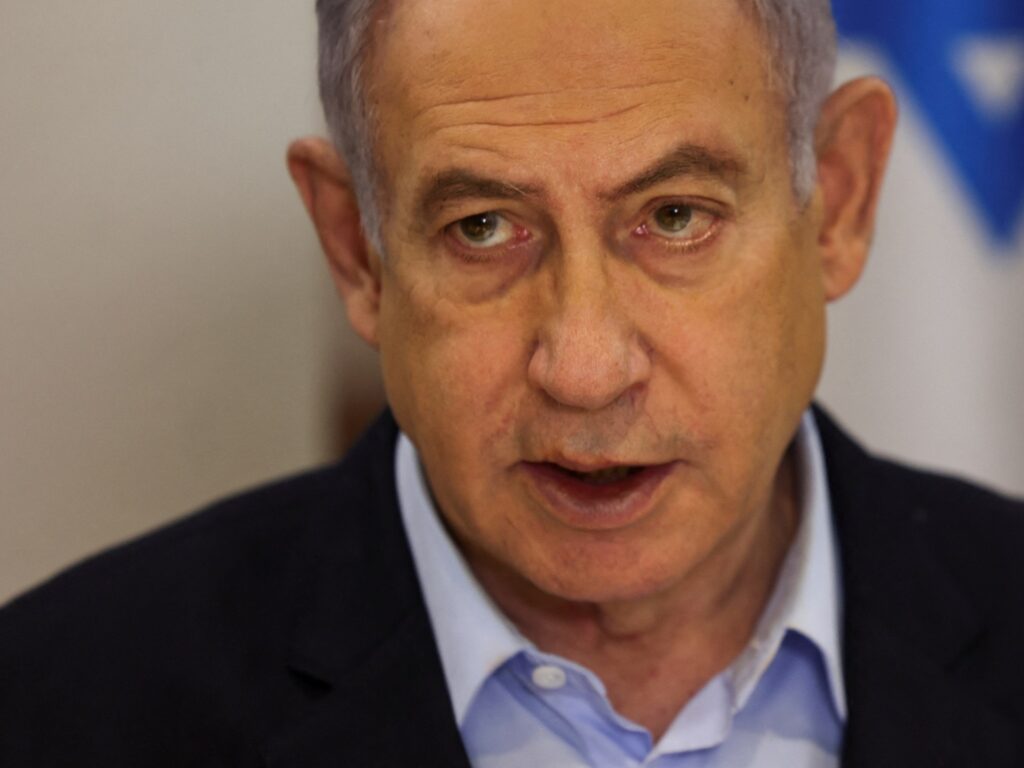
Israeli Prime Minister Benjamin Netanyahu has publicly revealed that he received medical treatment for early-stage prostate cancer. According to his official medical report, Netanyahu underwent radiation therapy as part of his treatment plan. The announcement has brought attention to the health condition of one of Israel’s most prominent and long-serving political leaders.
Benjamin Netanyahu, who has held office multiple times over the years, is known for his significant influence on both Israeli domestic policy and international relations. The disclosure of his health status adds a personal dimension to his public persona, highlighting the challenges faced by world leaders in managing their health alongside demanding political roles.
Prostate cancer is a common form of cancer among men, particularly those in older age groups. Early-stage diagnosis often allows for effective treatment options, including radiation therapy, surgery, and hormone treatment. Radiation therapy, which Netanyahu received, involves using high-energy rays to target and kill cancer cells in the prostate gland, aiming to control and potentially eradicate the cancer while preserving the surrounding tissue.
The Prime Minister’s medical team reported that Netanyahu’s cancer was detected at an early stage, which generally offers a favorable prognosis and increases the chances of successful treatment outcomes. Following the diagnosis, he began the radiation therapy regimen, which is generally outpatient and allows patients to maintain their daily activities, albeit with some potential side effects such as fatigue and urinary symptoms.
This revelation has sparked discussions in Israeli society and across international media about the health and resilience of leaders in positions of great responsibility. Netanyahu’s openness about his condition may encourage greater public awareness and destigmatization of cancer diagnoses, motivating individuals to pursue timely medical screenings.
The Israeli government has maintained that Netanyahu remains fully capable of carrying out his official duties. His spokesperson confirmed that the Prime Minister has adapted his schedule to accommodate his treatment without compromising his responsibilities. Despite his health challenges, Netanyahu continues to engage in key political activities and decision-making processes.
Health conditions of prominent figures often generate considerable public interest, as they can have implications for governance and national stability. Netanyahu’s announcement provides reassurance to citizens and international partners that measures are in place to ensure continuity of leadership.
Medical experts emphasize the importance of early detection in cancer treatment. Netanyahu’s case serves as an example of how early intervention can lead to better health outcomes. By addressing the cancer in its early stage, the treatment has a higher likelihood of success and reduced risk of progression or metastasis.
Radiation therapy for prostate cancer is known for its precision. Modern techniques allow healthcare providers to minimize damage to nearby organs such as the bladder and rectum. This approach helps in reducing side effects and preserving quality of life during and after treatment.
Netanyahu’s disclosure may inspire men, especially in Israel and the broader Middle East region, to pay closer attention to their own health, particularly with regard to prostate cancer screening. Regular check-ups and awareness of symptoms are critical for early diagnosis.
This development comes at a time of ongoing political tensions in the Middle East, where Netanyahu’s leadership plays a critical role. The Prime Minister’s health will be closely monitored by political allies, opposition parties, and international observers.
In conclusion, Israeli Prime Minister Benjamin Netanyahu has successfully undergone radiation therapy for early-stage prostate cancer. His openness about the diagnosis and treatment highlights the importance of cancer awareness and early detection. The Prime Minister continues to perform his duties, reflecting resilience in facing personal health challenges amid political responsibilities.