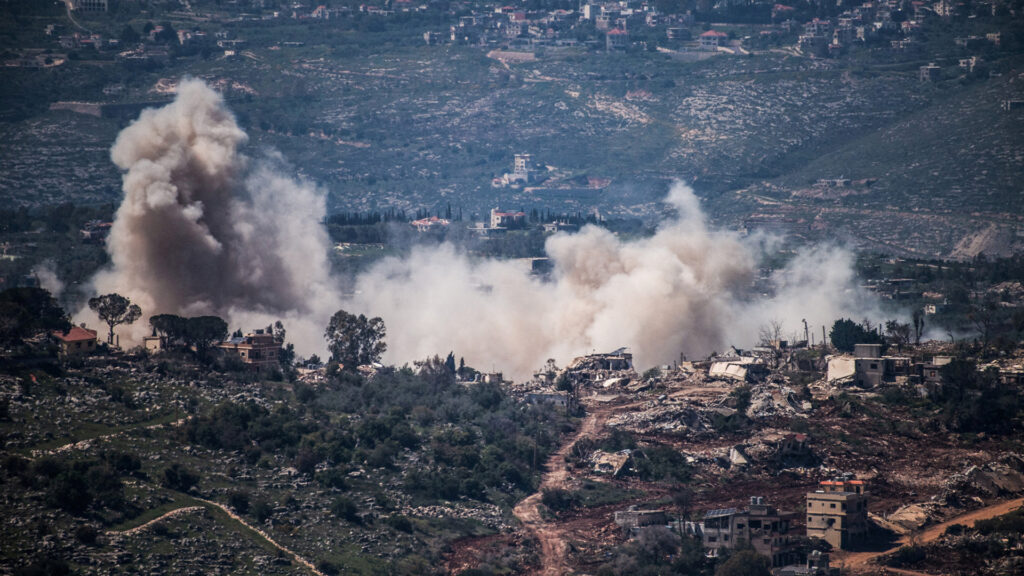
The Lebanon ceasefire, recently extended by three weeks under the directive of former U.S. President Donald Trump, has been a focal point of international attention. This extension aimed to provide a window for peace and stability in a region long plagued by conflict. However, the situation remains complex and contentious. During this period, there have been significant allegations against Israel, accusing it of exploiting the ceasefire to advance its military objectives rather than seeking a peaceful resolution. Critics argue that instead of honoring the spirit of the truce, certain actions have undermined the ceasefire’s intent, leading to further tensions. This duality of maintaining a ceasefire while facing accusations of continued aggression highlights the fragile nature of peace efforts in Lebanon. The extension itself reflects a strategic diplomatic approach, hoping to create space for negotiations and humanitarian relief. Meanwhile, international observers and local populations watch closely, hoping that these additional weeks can indeed foster a reduction in hostilities and pave the way for a lasting peace. Despite the challenges, the ceasefire extension underscores the ongoing commitment by some global actors to resolve the conflict through dialogue. Nevertheless, the real test lies in the behavior of the involved parties and whether they will adhere to the terms agreed upon or let the ceasefire become a mere pause in conflict rather than a step towards its end.