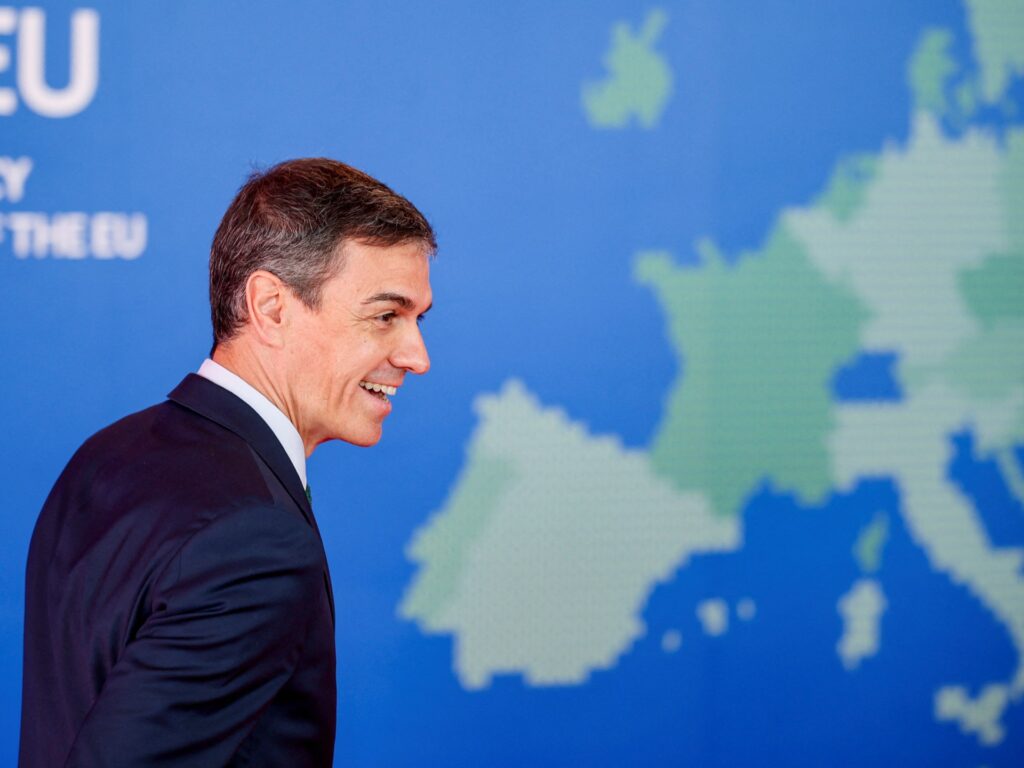
Amid escalating tensions surrounding the Iran war, Prime Minister Pedro Sanchez of Spain has firmly rebuffed reports suggesting that the United States is considering suspending Spain from the NATO alliance. This potential diplomatic move reportedly comes as a consequence of Spain’s opposition to the ongoing conflict and its stance against escalating military involvement.
PM Sanchez expressed strong disapproval of the US proposition, highlighting Spain’s commitment to peaceful resolutions and multilateral dialogue rather than conflict escalation. The Spanish premier emphasized that maintaining unity within NATO is paramount and that disagreements on foreign policy should not lead to punitive actions against member states.
The backdrop to this controversy is Spain’s vocal criticism of military actions in Iran and its advocacy for diplomatic engagement as the preferred route for resolving disputes. Madrid has consistently called for restraint and negotiations, which has put it at odds with Washington’s approach.
The US position, as reported, considers that Spain’s dissent could undermine the cohesion and strategic objectives of NATO, particularly regarding collective security and defense initiatives related to the Iran conflict. However, NATO has historically navigated member disagreements through dialogue and consensus-building, avoiding drastic measures like suspension.
International observers have noted that the idea of suspending a founding member of NATO is unprecedented and could set a complex precedent for the alliance. It raises questions about the balance between national sovereignty and collective decision-making within NATO.
Sanchez’s rejection of the suspension idea is seen as an effort to reaffirm Spain’s sovereignty in foreign policy decisions while underscoring its ongoing commitment to the NATO alliance and transatlantic relations.
The incident has sparked a wider debate within NATO countries about how best to handle divergent views on critical international conflicts. It also brings to light the challenges of maintaining alliance cohesion in an increasingly multipolar world where national interests may conflict with collective strategies.
In response to the controversy, NATO officials have called for calm and have encouraged continued dialogue to resolve differences. They stress the importance of solidarity and unity, especially amid global uncertainties and security threats.
The US government has yet to officially comment on the reports or the Spanish reaction. However, diplomatic sources indicate that discussions are ongoing behind closed doors to address the tensions and find pathways to cooperation.
Prime Minister Sanchez’s stance reflects Spain’s broader strategic approach of balancing alliance commitments with independent foreign policy decisions. It highlights the complexities faced by NATO members as they navigate shifting geopolitical landscapes and emerging security challenges.
As this situation develops, all eyes remain on how NATO and its member states will manage internal disagreements while continuing to uphold collective security and stability in the region and beyond.