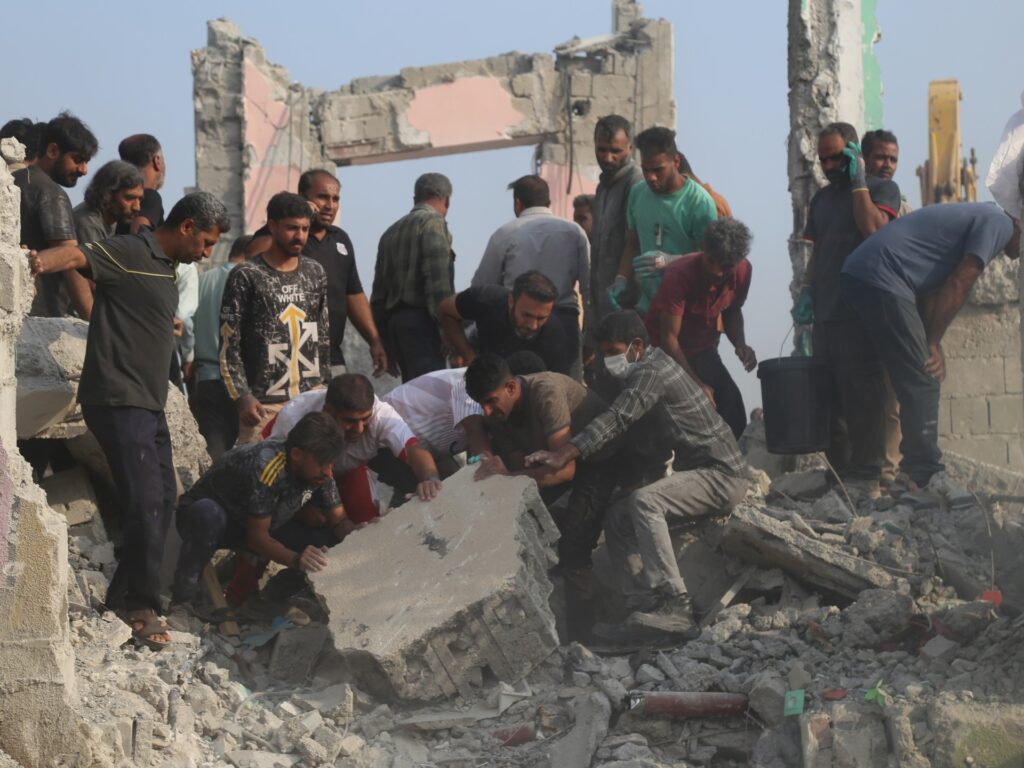
The bombing of a school in Iran has left a deep wound in both the local community and the nation. Among the victims, seven-year-old Makan Nasiri stands out as the only child still officially missing after the tragic event, which occurred nearly seven weeks ago. Despite exhaustive searches by authorities, no remains have been found to confirm his fate, leading to the heartbreaking decision to close the case.
Makan was one of many children attending the school when the bombing happened, causing widespread devastation and loss of life. Families of victims have been left grappling with grief, hoping for answers about their loved ones’ fates.
For weeks, search operations were conducted extensively, with teams combing through the rubble and using specialized techniques to locate remains. The efforts were intense and continuous, reflecting the urgency and sensitivity of the situation.
However, after nearly seven weeks, officials have informed Makan’s parents that the search for their son is being called off, effectively closing the case. This announcement has left the family in a state of profound sorrow and unresolved anguish, as they had held onto hope for his safe recovery or at least definitive confirmation of his status.
The authorities’ decision underscores the tragic reality of war and violence impacting innocent lives, particularly children who should be shielded from such horrors. It also highlights the challenges faced in disaster victim identification in conflict zones, where destruction can be extensive and conditions hazardous.
The community has rallied around the Nasiri family, offering support and solidarity during this difficult time. While Makan’s whereabouts remain unknown, his story persists as a poignant reminder of the human cost of conflict.
Experts emphasize the importance of continued humanitarian efforts to protect educational institutions and ensure the safety of children in conflict-affected regions. The case has sparked discussions about enhanced protective measures and international interventions aimed at preventing similar tragedies.
As Iran mourns this loss, the legacy of Makan Nasiri and the other victims fuels calls for peace and accountability. The closure of his case does not signify the end of his memory; rather, it reinforces the necessity for ongoing vigilance and compassion in the face of violence.
In memory of Makan and all affected children, communities are coming together to advocate for a future free from fear and harm. Their stories remind us of the devastating consequences of conflict, inspiring efforts toward reconciliation and healing.