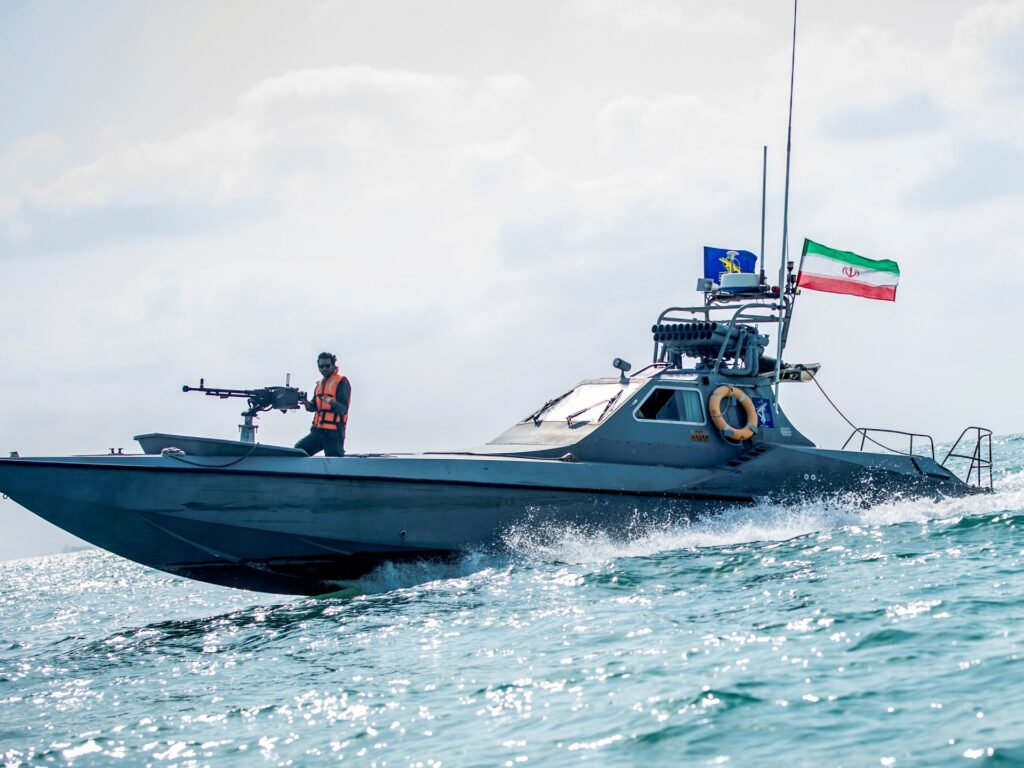
In a significant escalation of tensions in the strategically important Strait of Hormuz, the United States announced a hardline stance against Iranian boats suspected of laying mines. President Donald Trump stated unequivocally that US forces were authorized to “shoot and kill” any Iranian vessels engaging in such dangerous activities. This announcement comes amid rising concerns over maritime security in one of the world’s most vital oil transit chokepoints.
The Strait of Hormuz serves as a critical passage for about a third of global oil shipments, making stability in the region essential for international energy markets. The US decision reflects growing unease about Iran’s naval maneuvers, which have included the reported deployment of mines threatening commercial and military vessels.
In a separate development, US officials also intercepted another tanker carrying Iranian oil, a move that underscores Washington’s intensified pressure on Tehran amidst ongoing sanctions and diplomatic friction. The interception is part of a broader campaign aimed at restricting Iran’s oil exports, which are central to its economy and geopolitical influence.
President Trump further highlighted alleged infighting within Iran’s leadership, suggesting that internal divisions may be fueling unpredictable and aggressive actions in the region. The US administration has portrayed Iran’s regime as unstable and fragmented, lending justification to a more robust military posture in the Gulf.
Analysts note that the US threat to use lethal force against Iranian boats could dramatically increase the risk of direct confrontation. The move signals Washington’s willingness to adopt a more confrontational approach to deter perceived Iranian provocations.
Iran, meanwhile, has consistently denied accusations of hostile activities supporting mines or aggressive maritime tactics in the Gulf, framing these allegations as part of a broader US attempt to justify increased military presence in the area.
The international community remains concerned about the potential ramifications of escalating tensions in the Strait of Hormuz, which could disrupt global energy supplies and destabilize regional security. Diplomatic efforts appear limited, with both sides entrenched in their positions.
Efforts to de-escalate the situation will likely hinge on delicate negotiations and the involvement of key global powers invested in maintaining peace and the free flow of commerce through this critical maritime corridor.
As the situation develops, the US continues to monitor Iranian naval activity closely, prepared to respond swiftly to any further provocations. The declaration by President Trump highlights the heightened stakes and the potential for conflict in this volatile region.