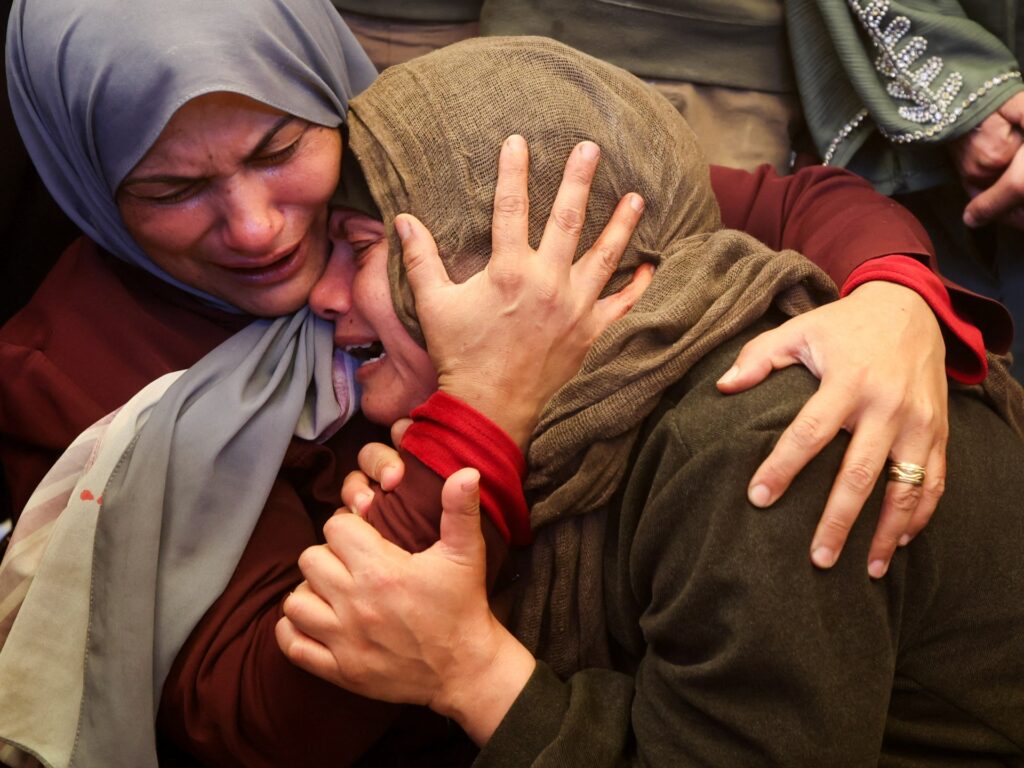
In a significant escalation of violence, Israeli soldiers and settlers have killed 11 Palestinians across Gaza and the West Bank in recent incidents highlighting the ongoing conflict in the region. The deadly confrontations have further increased fears of instability and sparked widespread condemnation from local and international communities.
Among the victims is a tragic case from Hebron, where a 16-year-old Palestinian was struck and killed by a vehicle escorting an Israeli minister. This incident has added fuel to already heightened tensions, sparking protests and calls for justice from Palestinian leaders.
The killings across multiple locations point to a complex and volatile situation. Gaza, already suffering from a blockade and repeated military operations, faces new challenges as security forces intensify their operations. Meanwhile, in the West Bank, clashes between Israeli settlers and Palestinians have become increasingly frequent and deadly.
Human rights organizations have condemned the use of lethal force, urging both sides to exercise restraint to prevent further loss of life. The United Nations and other international bodies have called for an immediate de-escalation and a renewed commitment to peace negotiations.
In Hebron, the killing of the teenager occurred under controversial circumstances, with eyewitnesses describing the vehicle’s speed and the lack of immediate medical assistance. Palestinian officials have denounced the incident as part of a pattern of aggression against Palestinian civilians.
This wave of violence comes amid ongoing disputes over land, settlements, and political control. Israeli statements emphasize the need for security and protection of their citizens amid frequent attacks, while Palestinians decry what they view as oppressive measures and encroachment on their territories.
The recent deaths have sparked protests in Palestinian towns and cities, with demonstrators demanding accountability and an end to what they call systemic violence. Security forces have responded with measures that critics argue exacerbate tensions further.
International efforts to mediate the conflict have so far failed to produce lasting peace, with each incident undermining trust between the parties. Observers note that without addressing the root causes, such as disputed settlements and political grievances, violence is likely to continue.
The situation remains highly volatile, with humanitarian concerns growing for civilians caught in the conflict zones. Experts warn that without urgent intervention and dialogue, the cycle of violence could spiral further out of control, threatening regional stability.
The global community watches closely as these tragic events unfold, hoping for a path towards peace that respects the rights and security of all involved. Until then, the loss of lives—especially among the youth and civilians—serves as a sobering reminder of the urgent need for resolution to the Israeli-Palestinian conflict.