Nigerian authorities have formally charged six military officers with terrorism and treason in connection with an alleged plot to overthrow President Bola Tinubu ahead of the 2025 elections. The accusations stem from an investigation into a purported coup attempt intended to disrupt the country’s political stability.
The government claims the accused were involved in planning and executing activities designed to undermine the national security framework. These charges highlight the seriousness with which Nigeria is addressing threats to its democratic institutions and the rule of law.
Details on the identities of the accused military personnel have been withheld pending further legal proceedings, but officials assert their actions constituted a direct threat to the constitutional order. This development follows increased vigilance in the Nigerian military and intelligence community to prevent destabilizing actions during a volatile electoral period.
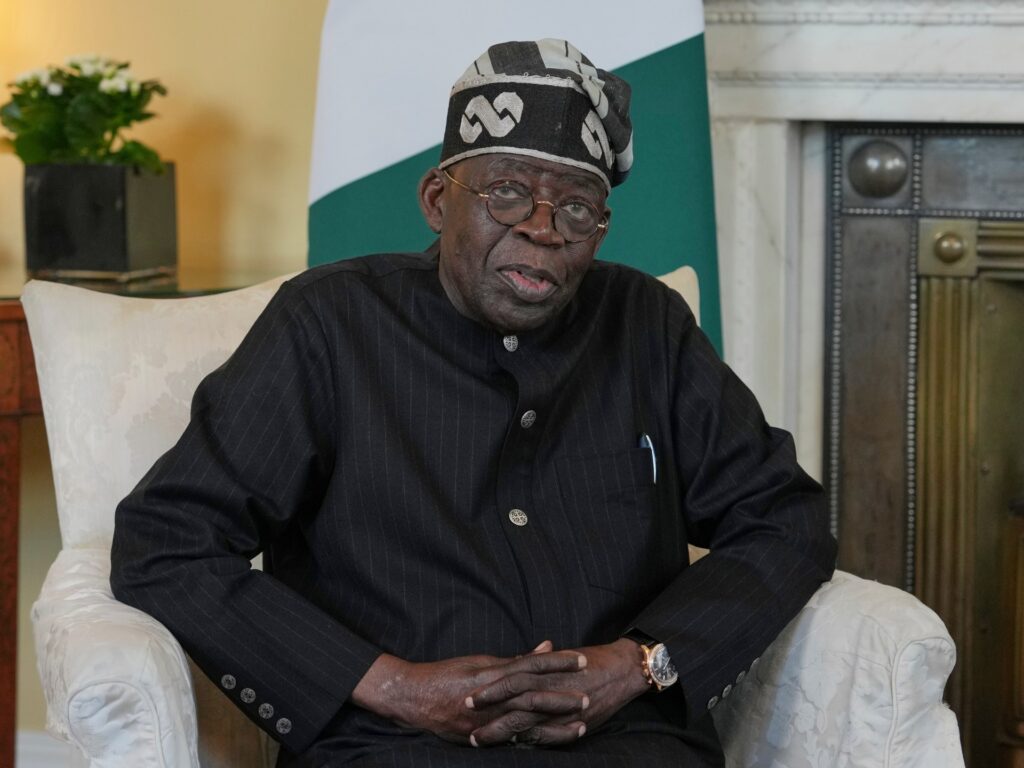
President Bola Tinubu, who assumed office amidst hopes for reform, has faced challenges from various quarters, including factions within the security forces. The administration has emphasized its commitment to prosecuting anyone found guilty of attempting to derail the democratic process.
The charges brought against the six officers include terrorism, a grave accusation that denotes the use of violence or intimidation to influence government policy or actions. Treason charges imply betrayal against the nation, with significant penalties under Nigerian law.
Observers note that such cases reflect ongoing tensions within the Nigerian military and political landscape, where power struggles and allegiances often intersect. The government’s firm response serves as a warning against any attempts to destabilize the state.
Legal experts suggest that the prosecution will likely involve substantial evidentiary submissions, including communications, surveillance data, and testimonies. International bodies monitoring Nigeria’s democratic processes have expressed concern but largely support legal measures that uphold stability and constitutional governance.
As the trial process unfolds, the public remains attentive to developments, aware that the outcome will impact Nigeria’s democratic trajectory and security environment. The handling of this case is poised to influence national and regional perceptions of Nigeria’s political resilience and commitment to rule of law.
This episode underscores the complexity of maintaining security in a nation with diverse ethnic groups, political ideologies, and external pressures. It is a critical juncture for Nigeria as it approaches the 2025 elections, with the government intent on safeguarding democratic institutions against internal threats.
The international community continues to watch closely, advocating for transparency and fairness in judicial proceedings related to the alleged coup plot. Nigeria’s ability to manage this crisis peacefully and lawfully will have ramifications beyond its borders, affecting regional stability in West Africa.
In summary, the charges against the six military officers highlight critical issues of governance, security, and democratic integrity in Nigeria. The situation calls for vigilance, judicial rigor, and a unified national effort to uphold constitutional democracy amidst challenges.