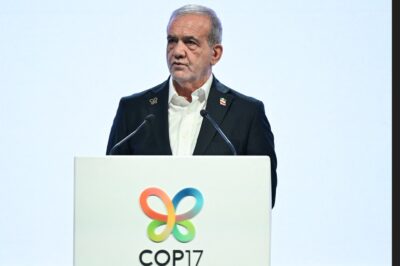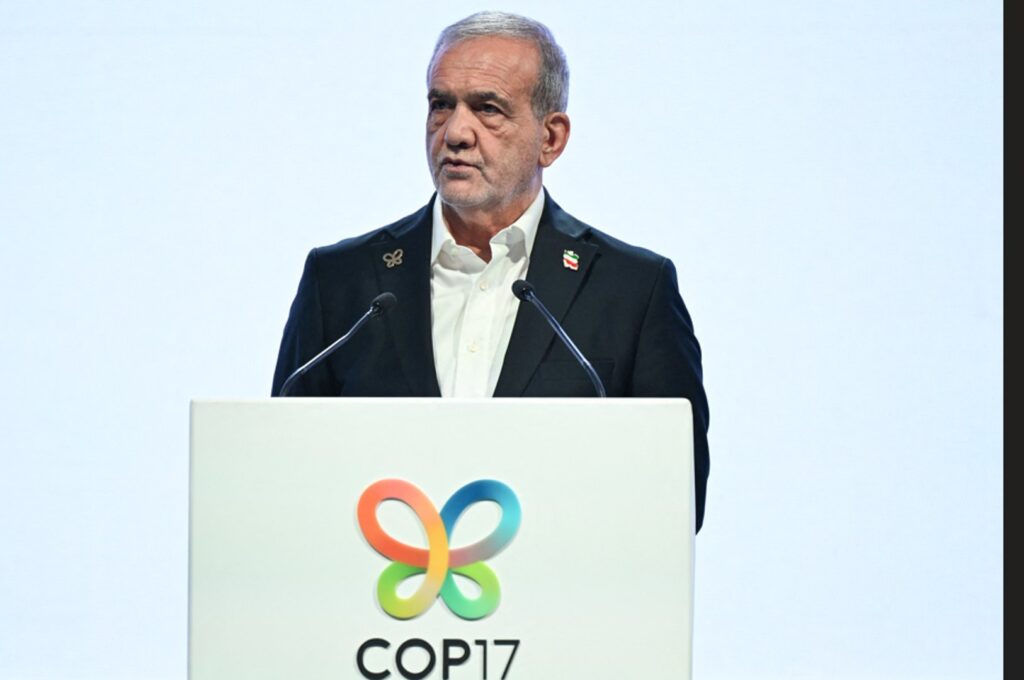
Iranian President Masoud Pezeshkian has spoken out strongly against the ecological damage resulting from ongoing conflicts in the Middle East. Highlighting the severe environmental consequences of war, Pezeshkian emphasized that the destruction caused by military actions not only affects immediate human populations but also jeopardizes the natural ecosystems vital for the region’s long-term sustainability.
The president’s condemnation comes amid escalating tensions and prolonged conflicts in various parts of the Middle East, where warfare has led to widespread destruction of natural habitats, pollution of air and water resources, and depletion of arable land. Pezeshkian noted that these environmental repercussions often go overlooked amid the focus on humanitarian and political crises.
He urged regional and international stakeholders to prioritize environmental considerations in conflict resolution and peacebuilding efforts. According to Pezeshkian, sustainable peace can only be achieved if the restoration and protection of the environment are integral to rebuilding processes.
The Iranian president also called for increased awareness and cooperation in tackling the ecological challenges exacerbated by war. He advocated for joint initiatives that address not only the immediate damages but also the long-lasting effects on biodiversity and public health.
Pezeshkian’s remarks reflect growing global concern about the environmental toll of modern warfare. The Middle East, already vulnerable due to its harsh climate and resource scarcity, faces amplified risks as conflicts disrupt agriculture, water supply, and urban infrastructure.
Environmental experts warn that land degradation and contamination from military activities can lead to food insecurity and displacement of communities. Furthermore, the use of certain weapons has introduced toxic substances into the environment, posing health hazards for generations.
Iran’s stance on this issue underscores the importance of integrating ecological considerations into diplomatic dialogues and regional cooperation frameworks. By highlighting the environmental dimension, Pezeshkian aims to broaden the understanding of the consequences of war beyond immediate human suffering.
Efforts to address these challenges may include environmental impact assessments before and after conflicts, rehabilitation of damaged ecosystems, and policies promoting sustainable resource management under post-conflict conditions.
Pezeshkian’s statement serves as a call to action for all nations involved in or affected by Middle Eastern conflicts to recognize the intertwined fate of peace and the environment. The future stability of the region hinges not only on political agreements but also on the health and resilience of its natural landscapes.