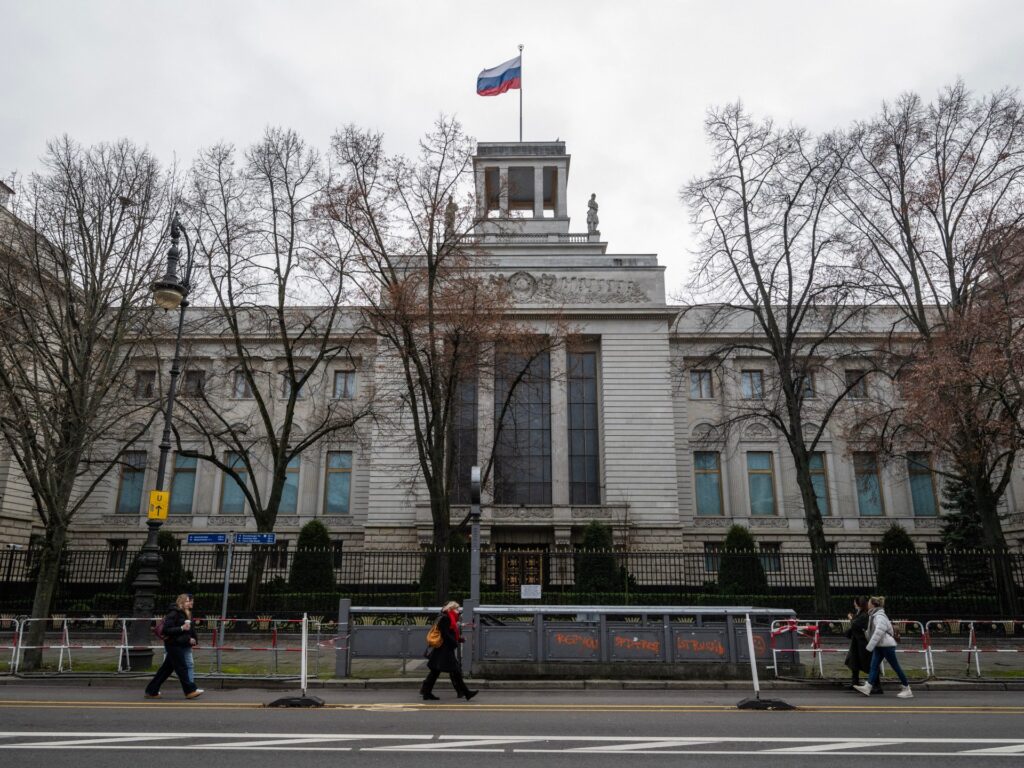
In a significant diplomatic move, Germany has summoned the Russian ambassador to address recent direct threats perceived as attempts to undermine support for Ukraine and to test Western unity. This escalation marks a tense point in the ongoing geopolitical conflict involving Russia’s actions in Ukraine.
Germany, a key member of the European Union and a staunch supporter of Ukraine, condemned the threats as undefined but serious, emphasizing that such acts are deliberate efforts to weaken the cohesion among nations backing Ukraine. The German government has reiterated its commitment to stand with Ukraine, highlighting the importance of solidarity in the face of aggression.
Officials in Berlin described the threats as part of a broader strategy by Russia to destabilize Western alliances. By summoning the ambassador, Germany sent a clear message that it will not tolerate intimidation or attempts to influence its foreign policy.
Diplomatic circles have noted that this incident could potentially impact the already strained relations between Germany and Russia. The move reflects growing concern within Europe about Russia’s increasing assertiveness and the need for a unified response among NATO and EU members.
Germany’s public condemnation and the formal diplomatic summons underscore a resolve to confront threats without escalating tensions unnecessarily. The government has called for dialogue and adherence to international norms, while remaining prepared to defend its interests and those of its allies.
This development comes amidst ongoing conflict in Ukraine, where Russia’s military activities have drawn widespread international condemnation and led to sanctions. Germany’s firm stance highlights the country’s balancing act between diplomacy and defense in a complex geopolitical landscape.
The Russian embassy has yet to issue an official response to Germany’s summons. Observers expect heightened diplomatic activity in the coming days as this episode unfolds.
In summary, Germany’s decision to summon the Russian ambassador is a clear indication of its rejection of intimidation tactics and its unwavering support for Ukraine. It also serves as a reminder of the delicate yet important role diplomacy plays in managing international conflicts and maintaining unity among allies.