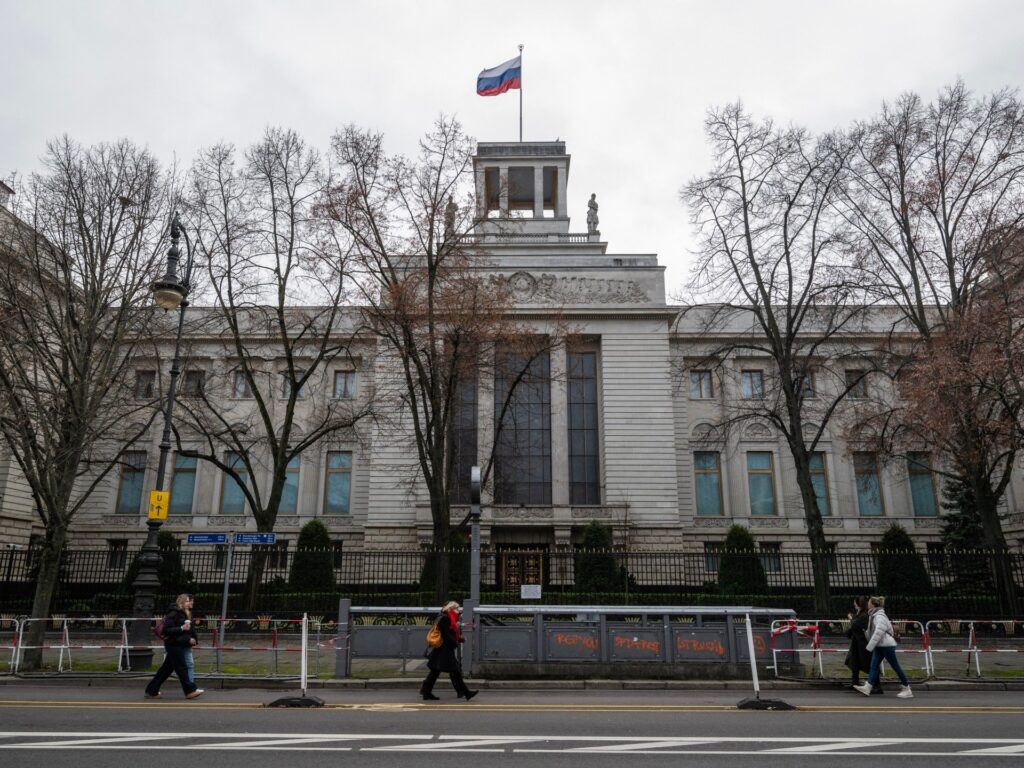
In a significant diplomatic move, Germany has summoned the Russian ambassador to Berlin in response to what it described as “direct threats” from Russia. This action underscores the mounting tensions surrounding the ongoing conflict in Ukraine and highlights Germany’s firm stance in supporting Ukrainian sovereignty and territorial integrity.
The German government has characterized these threats as an attempt to undermine international support for Ukraine and to test the unity of Western allies. Officials in Berlin conveyed strong condemnation of Russia’s approach, emphasizing that such aggressive rhetoric is counterproductive and escalates regional instability.
Germany’s Foreign Ministry issued a statement stressing the importance of maintaining a cohesive and resolute stance in the face of Russian provocations. The statement indicated that the threats are seen as a direct challenge not only to Germany but also to the broader coalition backing Ukraine.
Details of the threats have not been fully disclosed, but sources suggest they relate to Germany’s military and economic support extended to Ukraine. By summoning the ambassador, Germany seeks to send a clear message that intimidation tactics will not influence its foreign policy decisions.
This diplomatic confrontation comes amid an increasingly complex geopolitical landscape, where Russia’s actions continue to provoke strong reactions from European nations and the international community. Germany remains committed to supporting Ukraine through various means, including sanctions against Russia, humanitarian aid, and defense assistance.
Analysts note that Germany’s decisive response reflects its critical role in European security architecture and its obligations as a member of NATO and the European Union. The move serves as a reminder that threats and coercion are met with diplomatic resistance, and that collective support for Ukraine remains a priority.
This development follows a series of escalations in rhetoric between Moscow and European capitals. Berlin’s summoning of the ambassador is likely to further strain German-Russian relations, which have been deteriorating since the onset of the Ukraine conflict.
In conclusion, Germany’s decision to summon the Russian ambassador highlights the seriousness with which it views Russia’s direct threats and reinforces its unwavering support for Ukraine. This episode exemplifies the ongoing challenges faced by European nations in responding to Russian aggression and the importance of international unity in upholding democratic values and regional peace.