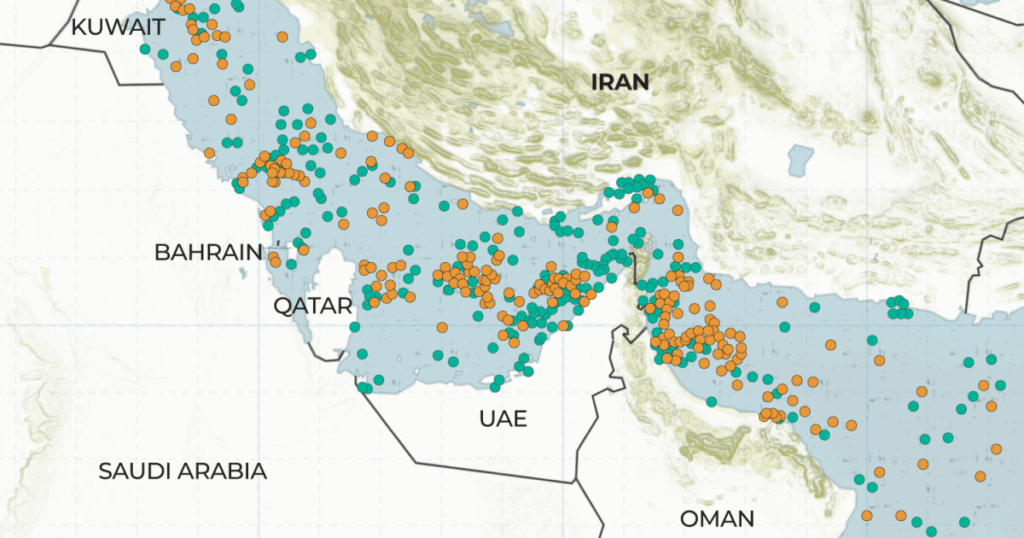
The Strait of Hormuz, a vital maritime passage for global oil shipments, has witnessed significant naval activity since the onset of the war involving Iran. Recent ship-tracking data reveals that a total of 279 ships have passed through this strategic waterway, highlighting its continuing importance for international trade and energy markets.
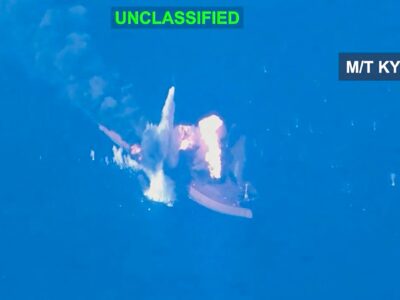
However, the conflict has also led to increased security risks in the region. Out of the 279 ships that navigated the strait, 22 vessels have been reported attacked. These attacks raise serious concerns about maritime safety and the stability of supply routes that are crucial for the flow of oil and goods.
The Strait of Hormuz serves as a key chokepoint, connecting the Persian Gulf with the Gulf of Oman and the Arabian Sea. Approximately one-fifth of the world’s petroleum passes through this narrow corridor, making it a hotspot for geopolitical tensions and military confrontations.
Since the war on Iran began, the increase in attacks on commercial and possibly military ships underscores the volatility of the region. Shipping companies and international observers are closely monitoring the situation, as the safety of the passage directly affects global energy prices and economic stability.
Governments and international organizations have called for heightened security measures and diplomatic efforts to ensure the safe passage of ships. The attacks not only threaten the lives of crew members but also disrupt the global supply chain, impacting economies worldwide.
The data serves as a stark reminder of the ongoing conflict’s repercussions beyond the immediate battlefield. The maritime dimension of the Iran war has implications for international shipping, security policies, and the energy sector. As the situation evolves, stakeholders remain vigilant, seeking solutions to secure navigation and reduce the risk of further attacks.
In summary, the Strait of Hormuz remains a critical artery for global commerce, with 279 ships traversing it since the conflict began and 22 of those vessels experiencing attacks. This situation highlights the intersection of geopolitical unrest and economic interests, emphasizing the need for coordinated international responses to maintain security in this essential maritime corridor.