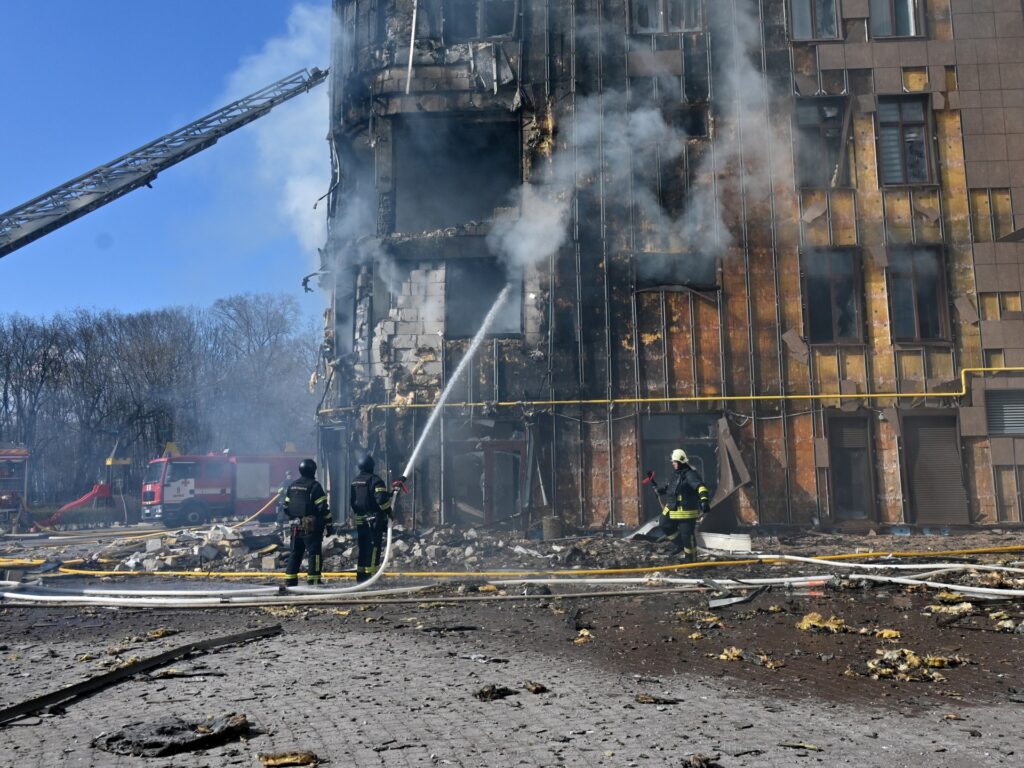
Recent hostilities between Russia and Ukraine have resulted in significant casualties, with at least four people killed in Russian attacks on Ukrainian territory. These strikes underscore the ongoing conflict’s intensity and the severe impact on civilians caught in the crossfire. In a retaliatory attack, a Ukrainian offensive targeting Russia’s southern Rostov region has also caused at least one fatality, indicating that the violence extends beyond Ukrainian borders.
The situation highlights the grave human cost and the escalating military engagements between the two nations. Russian attacks have reportedly targeted populated areas and military positions within Ukraine, exacerbating the humanitarian crisis. Civilians have faced destruction of homes, infrastructure damage, and disruptions to essential services, contributing to widespread displacement and suffering.
Meanwhile, Ukraine’s counter-attack on the Rostov region reflects the strategic efforts to push back against Russian advances and disrupt their operational capabilities. The death in Rostov marks a notable development as such incursions into Russian territory are less common but carry significant symbolic and military implications.
International observers continue to monitor the conflict, expressing concern over the rising death toll and the potential for further escalation. Diplomatic efforts aimed at de-escalation and peace talks remain critical to preventing additional loss of life and fostering stability in the region.
The civilian deaths on both sides serve as a somber reminder of the urgent need for a ceasefire and renewed dialogue. Humanitarian organizations have called for immediate access to affected areas to provide aid and assistance to those impacted by the violence.
As the conflict persists, the broader implications for regional security and international relations grow increasingly complex. The international community faces mounting pressure to mediate and support initiatives that promote a sustainable resolution to the hostilities.
This latest exchange of deadly attacks is part of a continuing cycle of aggression that has deeply affected the lives of millions in Ukraine and neighboring regions. The ongoing violence disrupts normal life, economy, and social cohesion, intensifying the geopolitical crisis.
Efforts to document and respond to these incidents underscore the importance of accountability and adherence to international laws governing armed conflict. Both sides have been urged to respect civilian life and pursue avenues that lead to peace rather than further bloodshed.
In conclusion, the recent fatalities in Russian and Ukrainian exchanges reflect the severe consequences of the conflict and highlight the dire need for robust diplomatic solutions. Without concerted intervention, the cycle of violence threatens to escalate further, with devastating consequences for the region and the world.