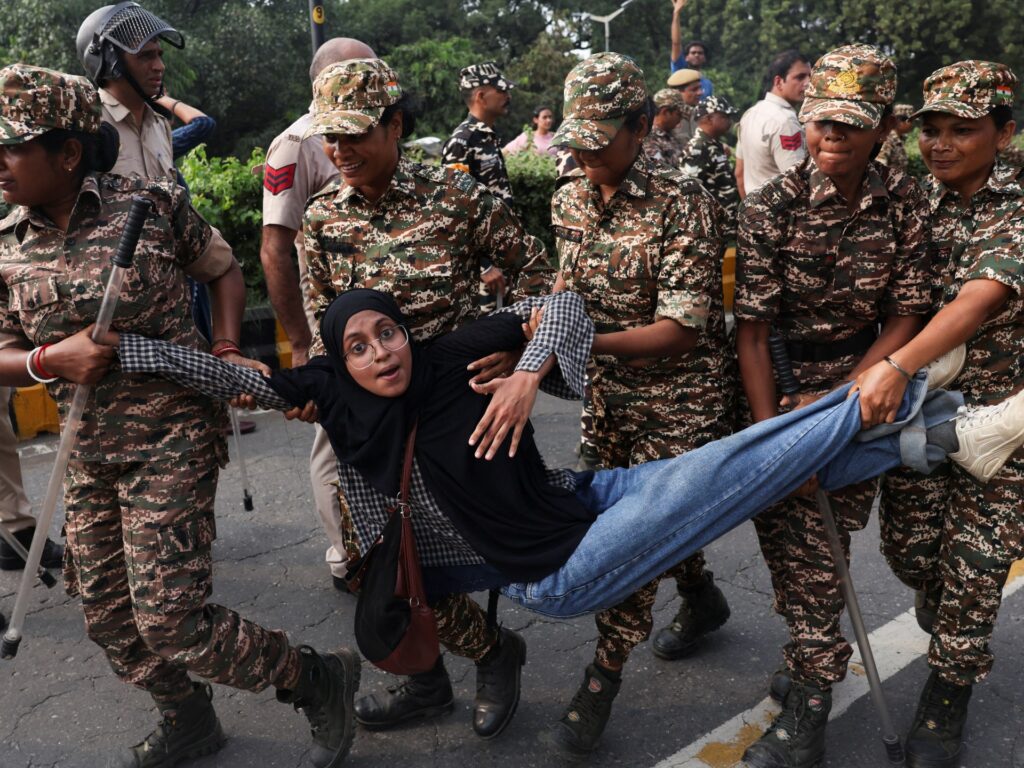
In recent weeks, India’s youth have faced a stringent crackdown amid widespread protests. The government’s actions have included numerous detentions, particularly targeting members of student groups and the so-called ‘cockroach’ movement, which has been vociferous in its opposition to current policies.
The protests reflect deep-seated frustrations among young Indians about a variety of issues, including economic challenges, educational reforms, and concerns regarding civil liberties. The term ‘cockroach’ movement, symbolizing resilience and the determination to persist despite oppression, has gained traction among protesters as they try to reclaim their voices.
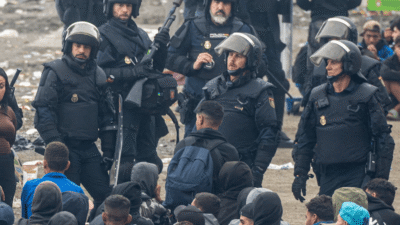
Authorities have responded with a robust security presence and the use of preventive detentions aimed at curbing the momentum of these demonstrations. This has led to significant debate within the country and among international observers about the balance between maintaining public order and upholding democratic rights.
Despite these pressures, student groups and youth activists have emphasized their commitment to continuing their protests. They argue that the government’s heavy-handed approach only reinforces their demands for dialogue and change.
The situation raises several critical questions about the future trajectory of India’s youth movements. Will the government’s crackdown quell the protests, or will it invigorate a more widespread and sustained movement calling for reform?
Analysts suggest that the government’s approach could backfire, galvanizing more young people to join the protests. Meanwhile, social media continues to play a vital role in organizing and spreading the movement’s message, enabling rapid mobilization even as physical gatherings face disruption.
Civil society groups and human rights organizations have expressed concern over the detentions and urged the government to engage constructively with the youth. They stress that fostering an inclusive dialogue is essential for addressing the underlying issues driving the unrest.
On the ground, the mood remains tense but determined. Many young protesters view their actions as a crucial stand for their future and the nation’s democratic fabric. This sentiment appears to fuel their resolve to continue despite the challenges posed by state repression.
In summary, India’s crackdown on youth protesters underscores a pivotal moment in the nation’s ongoing dialogue about democracy and civil rights. The government’s next steps will be closely watched domestically and internationally, as the youth movement continues to assert its presence and voice for change.