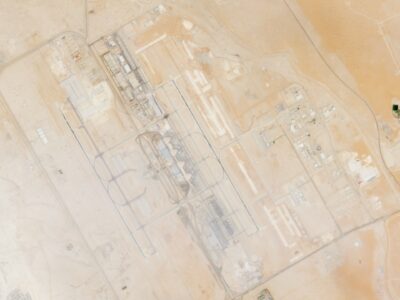
In a significant escalation of tensions in the Middle East, the United States and Israel have intensified their military operations against Iran, focusing on targeting key petrochemical and nuclear facilities. These coordinated strikes signal a sharp increase in conflict activities as both nations seek to pressure Iran amidst ongoing geopolitical disputes.
The recent attacks are part of a broader campaign aimed at undermining Iran’s civilian infrastructure, particularly impacting its nuclear program and petrochemical industry, which are vital to the Iranian economy and its technological advancements. The strikes have caused considerable damage, leading to concerns about potential wider repercussions in the region.
This surge in military action follows the high-profile incident involving the downing of a US pilot in Iranian airspace, which has intensified the search and rescue operations. Both the US and Israel are reported to be working closely to locate and recover the pilot, whose status remains uncertain.
The attacks also reflect the complex and volatile nature of US-Israel-Iran relations, where military engagement is intertwined with diplomacy and intelligence operations. The objective appears to be to cripple Iran’s capabilities to develop nuclear weapons and restrict its influence through economic and strategic containment.
Iran has condemned the strikes as acts of aggression and vows to retaliate, further raising fears of a broader conflict. The international community has called for restraint and dialogue to prevent an escalation that could destabilize the entire Middle East.
These developments highlight the precarious balance of power in the region, where technological advancements in military hardware and strategic alliances play crucial roles. The use of precision strikes on specific infrastructure marks a tactical approach aimed at minimizing civilian casualties while maximizing operational impact.
The ongoing conflict underscores the strategic importance of Iran’s petrochemical and nuclear sectors and their role in regional security dynamics. It also illustrates the challenges of navigating military and political solutions in a region marked by decades of conflict and competing interests.
Analysts suggest that the US-Israel campaign may continue as long as Iran’s military and nuclear ambitions pose a perceived threat. The situation remains fluid, with diplomatic efforts ongoing to negotiate a peaceful resolution while military actions proceed.
The search for the downed US pilot remains a priority, symbolizing the human cost of this escalating conflict and the urgency for de-escalation. The involvement of civilian infrastructure in the attacks raises concerns about collateral damage and the need for careful coordination to avoid harming innocent lives.
In conclusion, the latest wave of US-Israel attacks on Iranian petrochemical and nuclear sites marks a critical juncture in the ongoing conflict. With Iran pledging retaliation and international calls for peace growing louder, the coming days will be crucial in determining whether this escalation leads to broader war or a path towards negotiation and stability.