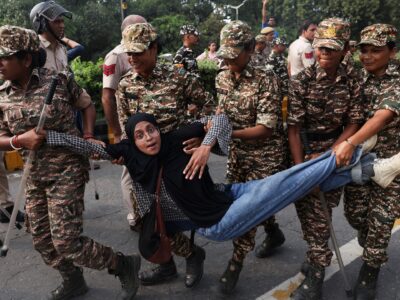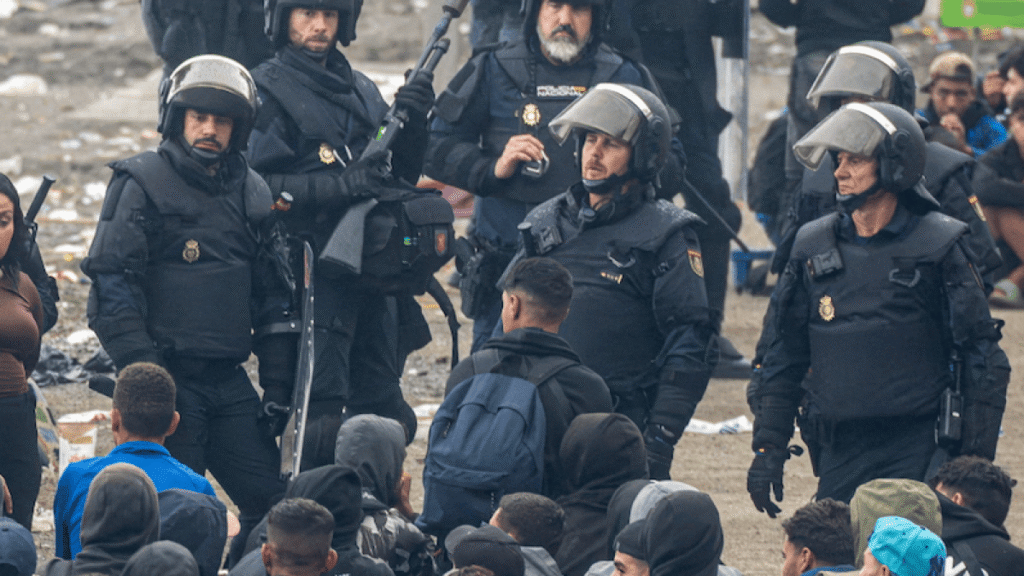
Recent reports from Ceuta, a Spanish exclave in North Africa, highlight serious allegations from migrants claiming mistreatment by Spanish soldiers during the clearance of migrant camps. These camps, which have housed a significant number of migrants seeking entry into Europe, were cleared by authorities in preparation for an upcoming royal visit.
Migrants residing in these camps have voiced accusations that soldiers used excessive force, including physical beatings, while dismantling the settlements. The allegations have drawn attention to the treatment of vulnerable populations at the borders and the response by Spanish authorities during sensitive operations.
Ceuta, due to its geographical location, is a frequent entry point for migrants attempting to reach mainland Spain and the broader European Union. The area’s camps often become overcrowded with individuals fleeing conflict, poverty, and instability in various African nations.
The clearing of camps is typically conducted to manage public order, improve sanitation, and during significant political or diplomatic events, such as the forthcoming visit by Spanish royalty. However, the process has raised concerns about human rights and the treatment of migrants.
Human rights organizations have called for independent investigations into the allegations of abuse, emphasizing the need for accountability and respect for migrants’ rights regardless of their status. They argue that while managing migration is essential, it must be done with humanity and dignity.
Spanish authorities have acknowledged the operation to clear the camps but have denied any systematic use of violence. They assert that the actions taken were necessary to maintain order and safety.
The situation in Ceuta reflects broader challenges faced across Europe concerning migration management, border security, and humanitarian responsibilities. It underscores the tension between national security measures and the protection of human rights.
As the royal visit approaches, the spotlight remains on Ceuta, with international observers and advocacy groups urging greater transparency and adherence to international human rights standards. The migrant populations in Ceuta continue to live under precarious conditions, facing uncertainty about their future and safety.
This development calls for a reevaluation of policies relating to migrant treatment and camp management, ensuring that operations respect human dignity while addressing security concerns. It also highlights the urgent need for broader, cooperative international solutions to migration and asylum challenges.