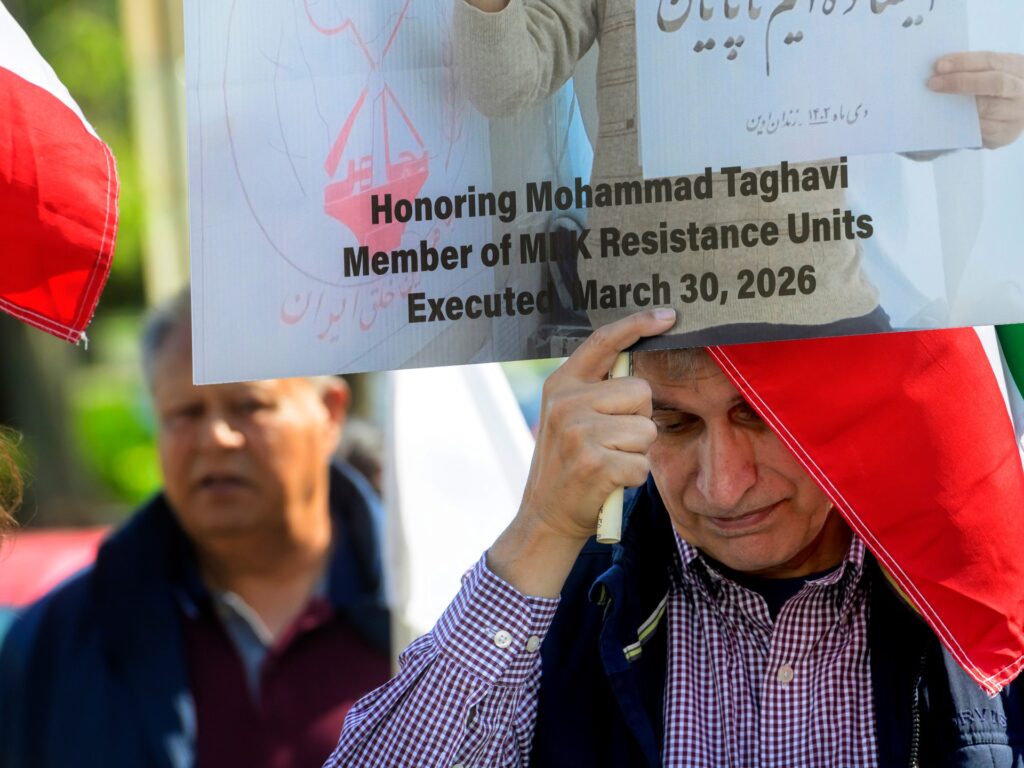
Iran has executed two convicted members of a banned opposition group, reflecting the country’s stringent approach to dealing with political dissent. The individuals, Abolhassan Montazer and Vahid Baniamerian, were hanged following the decision by Iran’s Supreme Court to uphold their death sentences. This execution highlights the ongoing tensions between the Iranian government and opposition factions within the country.
Both Montazer and Baniamerian were closely associated with an opposition group that the Iranian government has banned, citing threats to national security. The group’s activities have been deemed illegal under Iranian law, and its members have faced severe penalties, including capital punishment. The executions are seen by the authorities as a deterrent against further opposition and as a demonstration of their commitment to maintaining order.
Human rights organizations and international observers have raised concerns over the fairness of the trials and the use of capital punishment in such politically charged cases. They argue that the executions undermine human rights protections and suppress free expression and political opposition in Iran.
The Supreme Court’s role in upholding the sentences indicates the judiciary’s alignment with the government’s stance on opposition groups. It also reiterates the legal system’s tough position on dissent, especially in cases involving groups labeled as threats to the state.
The executions could have significant implications for Iran’s internal stability and its relationships with other countries. Critics of the Iranian government may see this as an escalation in the crackdown on political freedom, potentially leading to increased international condemnation and calls for sanctions.
Locally, the executions may create fear and further discourage activism and opposition. However, they could also galvanize resistance among those opposed to the government, potentially leading to heightened tensions and unrest.
The Iranian government maintains that its actions are necessary to protect the country from subversion and foreign influence. It portrays the executed individuals as criminals who endangered national security through their association with banned groups.
This event is part of a broader context of political repression in Iran, where opposition figures frequently face imprisonment, harassment, or worse. The international community continues to monitor the situation closely, advocating for adherence to human rights and judicial fairness.
In summary, the execution of Abolhassan Montazer and Vahid Baniamerian underlines Iran’s harsh measures against opposition groups. While the government defends its actions as protective, the move has sparked significant concern over human rights and political freedoms in the country.