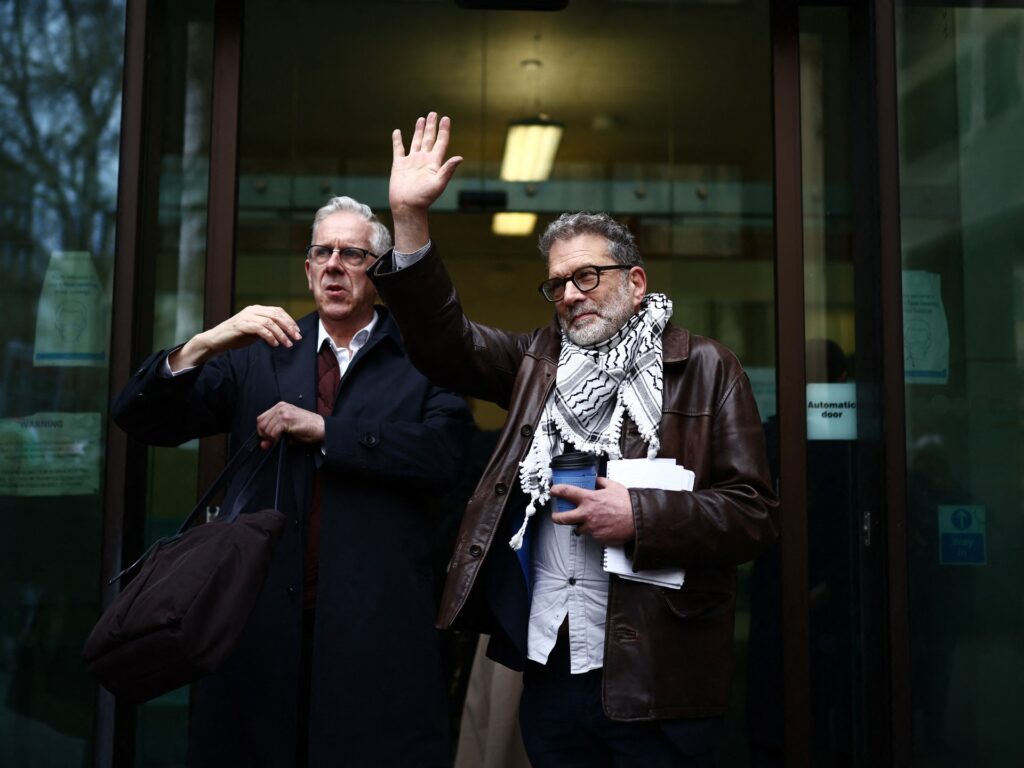
In a recent development in the UK, organisers of a pro-Palestine protest have been found guilty of breaching police rules, sparking significant controversy and debate across the country. The individuals involved, Ben Jamal and Chris Nineham, were accused of violating regulations designed to ensure public safety and order during demonstrations. This verdict has ignited a fierce response from human rights advocates and free speech campaigners.
The protest in question was part of a broader wave of demonstrations supporting Palestinian rights, which have gained momentum amid ongoing conflicts in the Middle East. The UK authorities have maintained that the organisers failed to comply with established guidelines, including those related to public gatherings, communication with police, and the management of crowds.
Human Rights Watch has criticized the ruling vigorously, describing it as a politically motivated attempt to stifle dissent and silence voices advocating for Palestinian rights. The international NGO argued that peaceful protest is a fundamental democratic right and must not be undermined by legal actions rooted in political considerations rather than genuine public safety concerns.
Ben Jamal and Chris Nineham, both prominent voices in the advocacy for Palestinian causes, expressed their disappointment with the court’s decision. They emphasized that their intention was solely to raise awareness and support for a humanitarian issue and that their actions were within the bounds of lawful protest.
Supporters of the organisers have mobilized to highlight what they see as an erosion of civil liberties. They argue that such legal measures could set a dangerous precedent for curbing freedom of expression and assembly in the UK, particularly on contentious and politically sensitive issues.
Critics of the ruling also point out that the decision might have a chilling effect on future protests, deterring individuals and groups from exercising their rights to peaceful assembly due to fears of legal repercussions. This concern resonates strongly in democratic societies where protest forms an essential mechanism for public participation and societal change.
The UK police, for their part, have defended their actions by stating the importance of balancing the right to protest with the necessity of maintaining public order. They argue that their rules are designed to protect all citizens and prevent disorderly conduct or violence.
This case has spotlighted the ongoing tension between law enforcement and civil liberties activists, revealing the complex challenges governments face when managing protests that involve deeply divisive and emotional topics. The outcome of this case may influence how future demonstrations are conducted and regulated in the UK.
As the legal battle continues, human rights groups and political commentators are closely monitoring the situation, assessing its implications for democratic freedoms and the rights of activists. The verdict against Jamal and Nineham raises profound questions about the limits of protest, the role of the state in regulating dissent, and the health of civil society in the UK.
In summary, the guilty ruling against the pro-Palestine protest organisers Ben Jamal and Chris Nineham has stirred debate over the balance between public safety and the right to free expression. The criticism from Human Rights Watch underscores fears of political motivations behind the enforcement of police rules, signaling a critical juncture for civic activism and democracy in the United Kingdom.