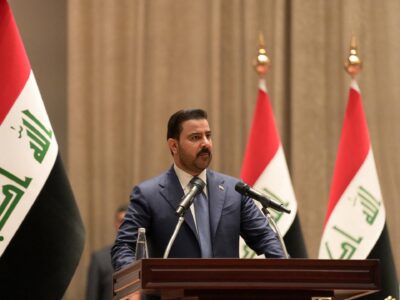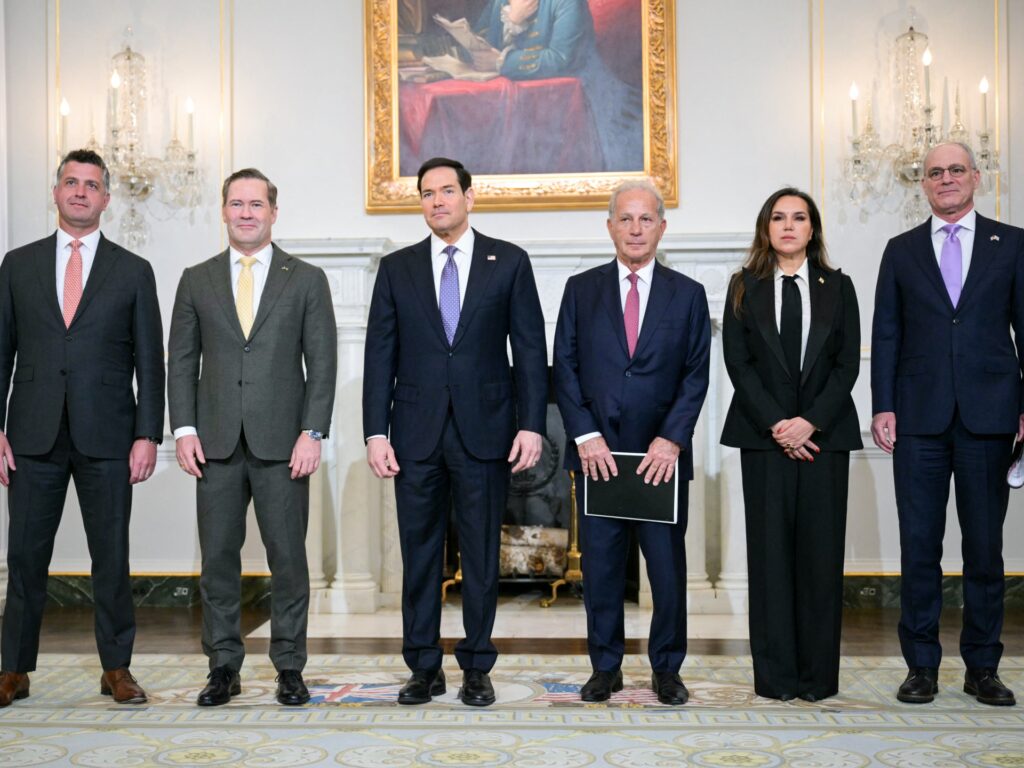
Lebanon and Israel are preparing for their third round of direct negotiations this year, focusing on critical and sensitive issues that have long affected the stability of the region. The primary topics under discussion include the establishment of a ceasefire agreement and the disarmament of Hezbollah, the Lebanon-based militant group.
The negotiations are seen as an important step toward reducing tensions and fostering a more peaceful coexistence between the two countries. For decades, Hezbollah has maintained a powerful military presence in Lebanon, often acting as a state within a state, and has been involved in multiple conflicts with Israel. The disarmament of Hezbollah is a key demand from Israel, which views the group as a terrorist organization and a direct threat to its national security.
From Lebanon’s perspective, Hezbollah is not only a powerful political and military entity but also a significant force in Lebanese society, particularly in the Shia Muslim community. Any negotiations related to its disarmament are complex and sensitive, involving internal political dynamics and regional implications.
The ceasefire talks aim to address the frequent outbreaks of violence along the Lebanon-Israel border, which have resulted in casualties and destruction on both sides. A reliable ceasefire would ideally reduce hostilities and create a foundation for more comprehensive peace talks.
These discussions take place under the watchful eyes of the international community, including the United Nations and key Western and regional powers who support a peaceful resolution to the conflict. The involvement of external actors could be crucial in providing guarantees and monitoring compliance with any agreements reached.
Other peripheral issues likely to be on the table include border demarcation disputes, the status of refugees and displaced persons, economic cooperation, and confidence-building measures to prevent future conflicts.
The outcome of these negotiations could have significant implications for the security architecture of the Middle East, potentially setting a precedent for resolving long-standing conflicts through direct dialogue. However, the process is fraught with challenges, given the deep-rooted mistrust, historical grievances, and the complex interplay of local, regional, and international interests.
In conclusion, the Lebanon-Israel direct negotiations represent a cautiously hopeful opportunity to address some of the most contentious points dividing the two countries, focusing primarily on establishing a ceasefire and addressing the disarmament of Hezbollah. The international community continues to watch closely, hopeful that these talks might pave the way for a more durable peace in the region.