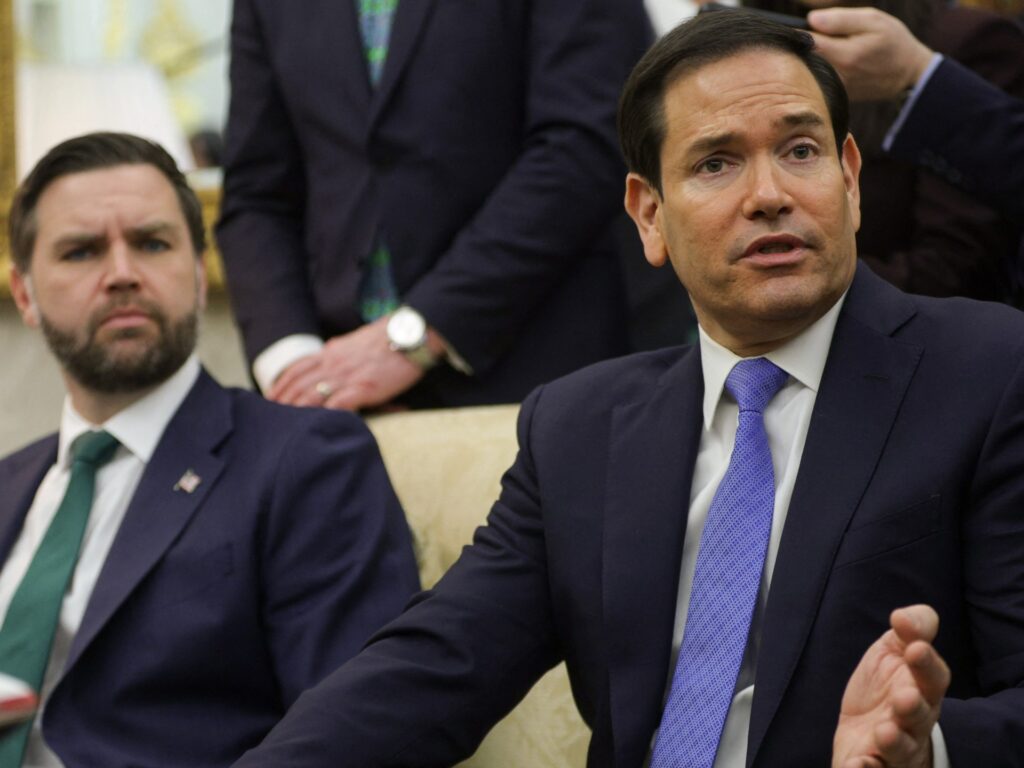
Amid escalating tensions between the United States and Cuba, Senator Marco Rubio has publicly emphasized the need for a change in leadership on the island. Rubio’s remarks come as Washington intensifies its efforts to pressure the Cuban government, including ongoing measures to block fuel shipments to the nation. The move is part of a broader US strategy to increase economic and political strain on Cuba, aiming to catalyze reforms or regime change.
The backdrop to Rubio’s statement is a series of recent policy actions and statements by US officials. The Trump administration has signaled its intent to take stronger actions against Cuba, with the former president hinting at plans to “do something with Cuba very soon.” This rhetoric underlines the administration’s commitment to reversing the previous easing of relations and tightening the embargo through additional sanctions and restrictions.
Washington’s blockade on fuel shipments critically impacts Cuba’s already fragile economy. The island nation heavily relies on imported fuel for electricity generation, transportation, and industry. The shortage exacerbates existing economic hardships faced by Cuban citizens, including inflation, supply chain disruptions, and limited access to essential goods.
Rubio’s call for new leadership highlights the US viewpoint that the current Cuban government under the Communist Party is resistant to meaningful political and economic reforms. He advocates for fresh leadership that would potentially open the door for democratic governance and improved human rights on the island.
The policy of increased pressure aligns with the objectives of various US lawmakers and Cuban-American advocacy groups who argue that engagement policies have failed to produce significant change. Instead, they push for a more confrontational approach to motivate the Cuban government toward reform.
However, critics argue that heightened sanctions mainly hurt ordinary Cubans rather than political elites or the government. They caution that economic hardship can entrench authoritarian regimes and reduce the population’s ability to advocate for change.
International reactions to the US moves have been mixed, with some countries expressing concern over the humanitarian impact of sanctions and others supporting Washington’s call for change in Cuba. Latin American nations are particularly attentive to developments, given the region’s historical ties and economic connections with Cuba.
The future of US-Cuba relations under this intensified pressure remains uncertain. While the US aims to foster change through economic leverage and political pressure, Cuba’s government has so far resisted these attempts, emphasizing sovereignty and denouncing US interference.
In summary, Senator Rubio’s call to “get new people in charge” in Cuba reflects a broader US policy shift towards increasing pressure on the island nation. The continuation of fuel blockades and impending US actions underscore the administration’s commitment to changing the status quo in Cuba, aiming for political transformation and improved human rights. The unfolding situation presents complex challenges with significant implications for the region’s geopolitical landscape.