US Senator Marco Rubio has indicated that a potential deal involving Iran could be finalized within days, coinciding with recent US military actions against Iranian targets. These developments occur as US forces have launched attacks on Iranian missile sites and boats, signaling escalating tensions in the region.
The strikes came amid ongoing diplomatic efforts as an Iranian delegation is currently in Qatar, engaging in talks regarding the extension of a ceasefire. This diplomatic dialogue aims to stabilize the situation and prevent further conflict escalation, yet military actions by the US underscore the complex and tenuous nature of peace efforts.
Rubio’s statement suggests optimism that despite the military confrontations, negotiations might soon yield tangible results. The timing of these discussions and military operations highlights the intricate balance between diplomatic negotiations and military pressure in addressing Iran’s role in regional security.
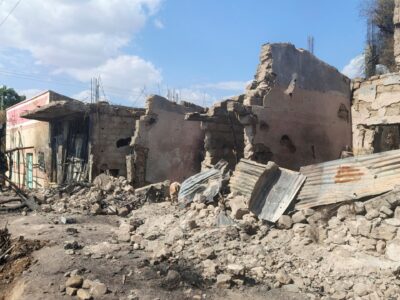
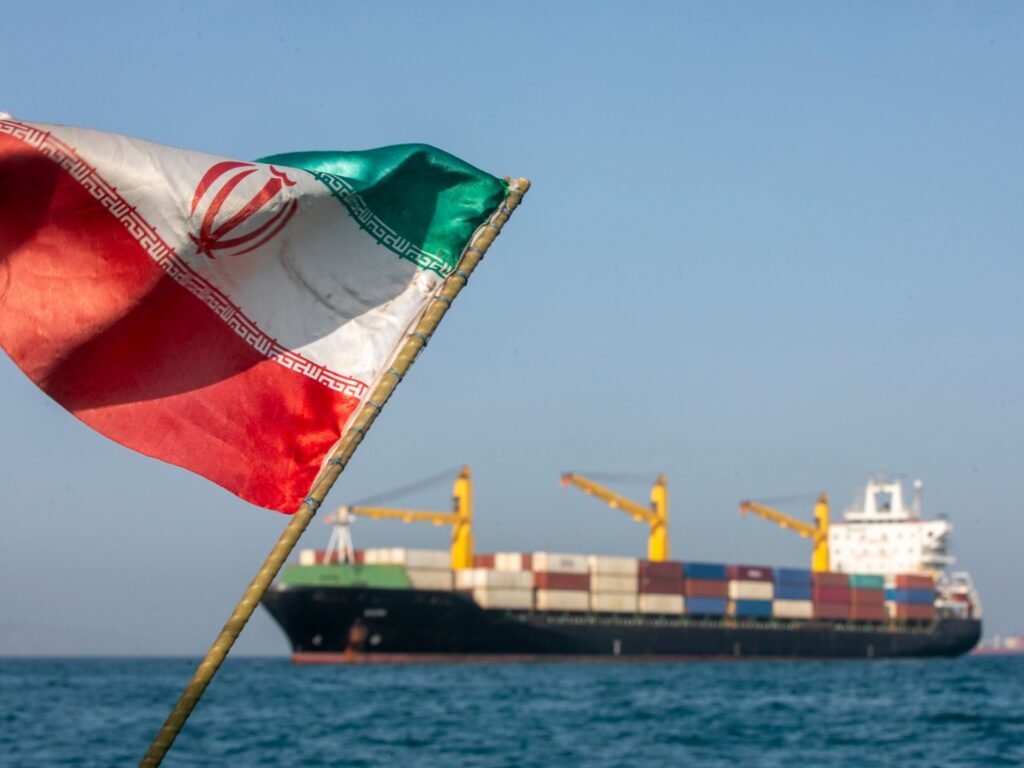
The recent US attacks targeted critical Iranian missile infrastructure and naval assets, which the US claims were linked to destabilizing activities in the region. These actions are part of a broader strategy to deter aggressive behavior while maintaining avenues for diplomatic resolution.
Meanwhile, the Iranian delegation’s presence in Qatar underscores Tehran’s willingness to engage in dialogue, potentially opening doors for extending the ceasefire to reduce hostilities. However, the juxtaposition of military strikes with peace talks reflects the underlying mistrust and challenges in reaching a durable agreement.
The potential deal being discussed could involve constraints on Iran’s missile program and commitments to cease aggressive actions in exchange for sanctions relief or other incentives. Such a deal would be a significant development in US-Iran relations, aiming to reduce conflict risk and promote stability.
Experts note that while progress in talks is promising, the situation remains fragile. The extent to which military actions impact negotiations is a subject of intense scrutiny, as they could either pressure Iran into concessions or harden its stance.
The international community watches closely as these events unfold, recognizing that a successful agreement could have wide-reaching implications for Middle East security and global geopolitical dynamics.
As talks continue in Qatar, monitoring both the diplomatic and military fronts is essential to understanding the evolving landscape of US-Iran relations and the prospects for lasting peace in the region.