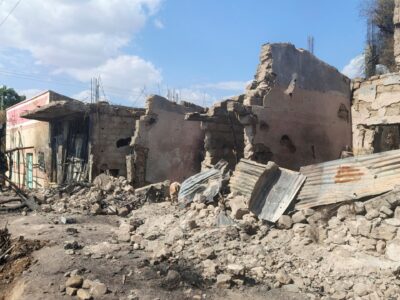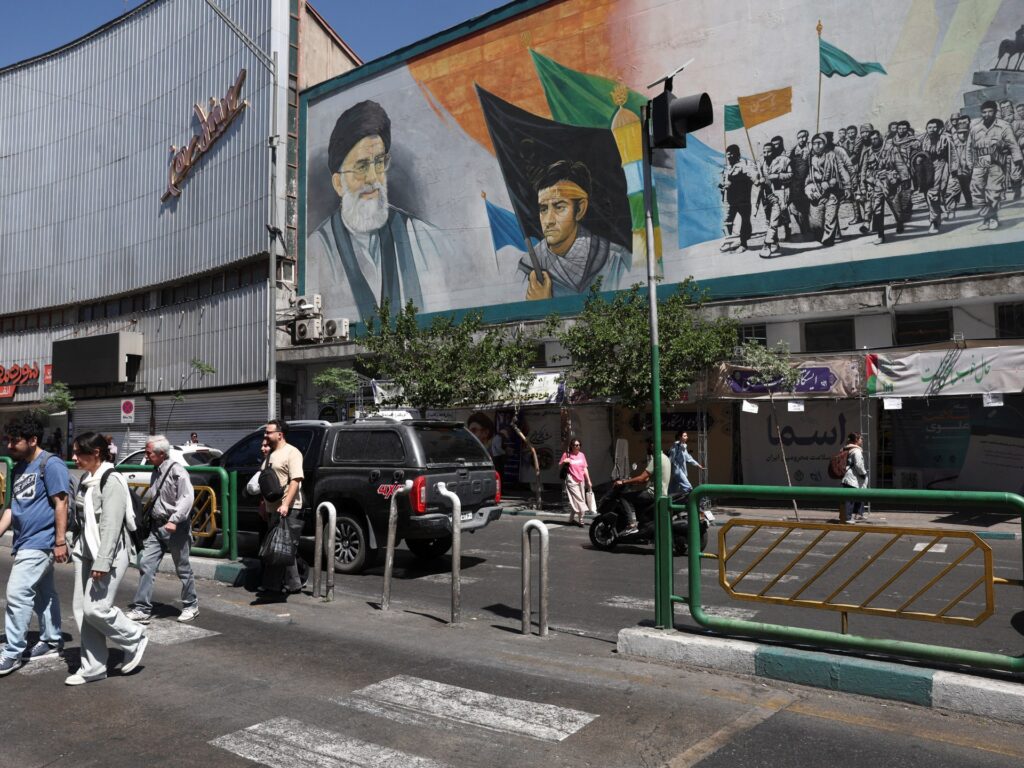
On the 88th day of the ongoing conflict involving Iran, significant military and diplomatic developments have unfolded. US forces conducted a series of attacks in southern Iran, particularly near the strategic Strait of Hormuz, a crucial maritime passage through which a substantial portion of the world’s oil supply transits. These military actions have heightened tensions in a region already marked by considerable geopolitical volatility.
Concurrently, Iranian officials remain engaged in diplomatic talks in Qatar, aiming to negotiate and possibly de-escalate the conflict. The discussions in Qatar suggest a parallel effort to resolve issues through dialogue despite the military confrontations occurring on the ground.
The US attacks near the Strait of Hormuz are seen as a response to perceived threats and attempts to assert control in an area vital for global energy security. This move risks further destabilizing the region and complicating international relations, especially amidst growing concerns over freedom of navigation and security in the Persian Gulf.
Iran’s delegation in Qatar is reportedly focusing on negotiating ceasefires, humanitarian access, and possibly conditions for future talks that could lead to a broader peace settlement. The presence of multiple international actors in the talks indicates the conflict’s broader implications beyond the immediate region.
The dichotomy between ongoing military operations and diplomatic efforts highlights the complexity of the Iran conflict. While US operations aim to weaken Iran’s military capabilities and influence, the diplomatic track seeks to find a peaceful solution to end the hostilities.
Experts caution that the situation remains highly fluid, with potential for escalations that could draw in regional and global powers. The Strait of Hormuz’s strategic importance ensures that any conflict here has ramifications for worldwide energy markets and global security.
As day 88 unfolds, the world watches closely to see whether diplomacy can overcome the adversities of war and lead to a sustainable resolution or if the conflict will intensify, with broader consequences for regional stability and international peace.