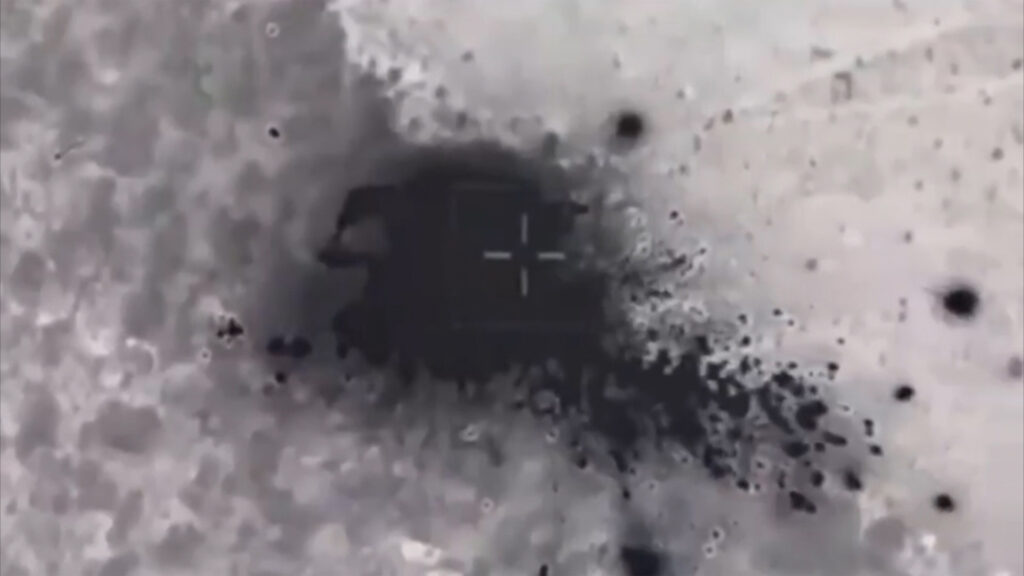
The ongoing conflict in Sudan has entered a new and dangerous phase with the introduction of drones, significantly escalating the violence and casualty toll. The United Nations has issued a warning regarding the intensification of drone warfare, reporting that more than 200 people have been killed in just over a week due to drone attacks. This alarming development marks a shift in the dynamics of the Sudanese war, where traditional ground battles are now compounded by aerial strikes using unmanned aerial vehicles (UAVs).
The deadly use of drones has expanded the front lines, reaching areas previously less affected by the conflict and increasing the threat to civilian populations. Experts note that drones allow for more precise targeting but also create new challenges for defense and humanitarian response. The deployment of drones by various factions exacerbates the conflict’s severity, as the ease of launching such strikes can lead to more frequent and widespread attacks.
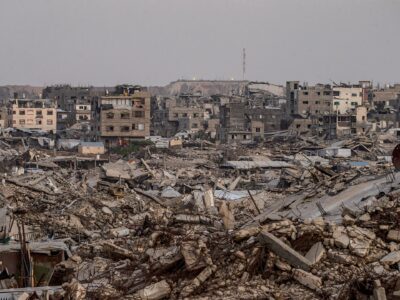
The United Nations’ report underscores the urgent need for increased monitoring and regulation to prevent further loss of life. Many residents in Sudan’s war-torn regions live in constant fear of sudden drone strikes that can demolish homes, markets, and public spaces without warning. The psychological impact on civilians is profound, contributing to displacement and destabilization of communities.
International agencies have called for immediate ceasefire agreements and for the parties involved to halt the use of drones in the conflict. They emphasize the importance of protecting civilian lives and ensuring humanitarian access to those affected by the escalating violence.
The deadly drone warfare in Sudan represents a grim reminder of how technological advancements in military tactics can worsen conflicts, increasing both the scale and the human cost. As the world watches, there is a pressing need for diplomatic efforts to address the drone threat and to work towards peace and stability in Sudan.