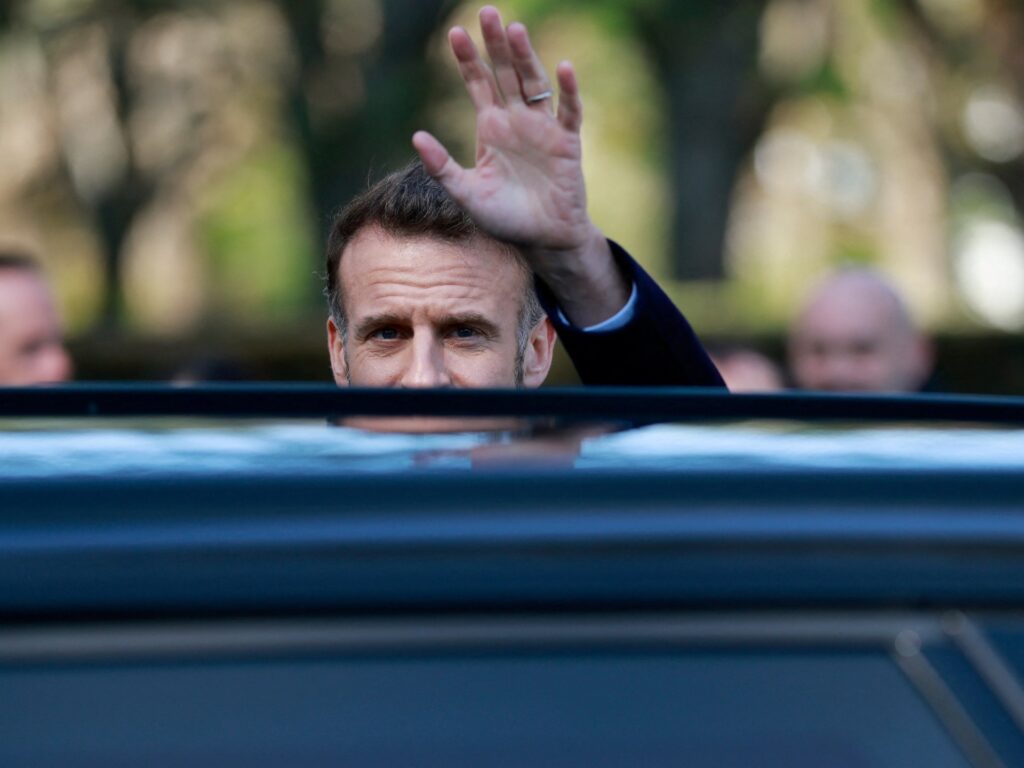
French President Emmanuel Macron is positioning France for a future defined by nuclear capabilities, as tensions and conflicts escalate globally, notably in the ongoing war involving Iran. Macron’s recent remarks unveiled a strategic move he terms as “forward deterrence,” highlighting France’s intention to expand its nuclear arsenal and capabilities.
This initiative comes against a backdrop of rising geopolitical instability, with Iran at the center of regional conflicts that carry broader international implications. Macron asserts that maintaining and enhancing nuclear deterrence is crucial for France to safeguard its national security interests and uphold peace through strength.
The concept of “forward deterrence” involves not just possessing nuclear weapons but ensuring they are strategically ready and capable of effective deployment if necessary. It reflects a shift in French military doctrine in response to evolving threats, including new forms of warfare and the potential for nuclear proliferation in volatile regions like the Middle East.
Macron’s plans involve modernizing France’s nuclear forces, increasing their readiness, and potentially bolstering the technological sophistication of the arsenal. This approach is meant to signal to adversaries that France remains a formidable power, prepared to defend its sovereignty and its allies.
Analysts suggest that Macron’s strategy is also aimed at reinforcing France’s position within global security frameworks such as NATO and the European Union. By asserting a strong nuclear deterrent, France seeks to play a leading role in shaping the future of international security policies.
The timing of Macron’s announcement coincides with heightened tensions in the Middle East, where Iran’s ongoing conflict has alarmed Western nations. The nuclear expansion plan serves both as a warning and a reassurance; it warns potential aggressors against escalating conflicts and reassures the French public and global partners of France’s commitment to defense.
Critics, however, voice concerns about the risks of nuclear proliferation and the moral implications of expanding nuclear weapons. They argue that increased nuclear capabilities might provoke an arms race, destabilizing international peace efforts.
In response, Macron emphasizes that France’s actions are defensive and ethical, framed within international laws and treaties governing nuclear arms. He reiterates France’s commitment to disarmament initiatives, even as it strengthens its deterrence capabilities.
Ultimately, Macron’s move reflects a pragmatic recognition of the changing nature of global conflicts. As the Iran war underscores, regional disputes can have worldwide ramifications, and nuclear deterrence remains a key mechanism to prevent such wars from escalating into catastrophic exchanges.
France’s renewed focus on nuclear weapons symbolizes a broader global shift towards reinforcing military preparedness in an unpredictable geopolitical landscape. Macron’s leadership seeks to navigate these challenges by balancing strength with diplomacy, ensuring France remains secure in an age increasingly defined by nuclear weapons.