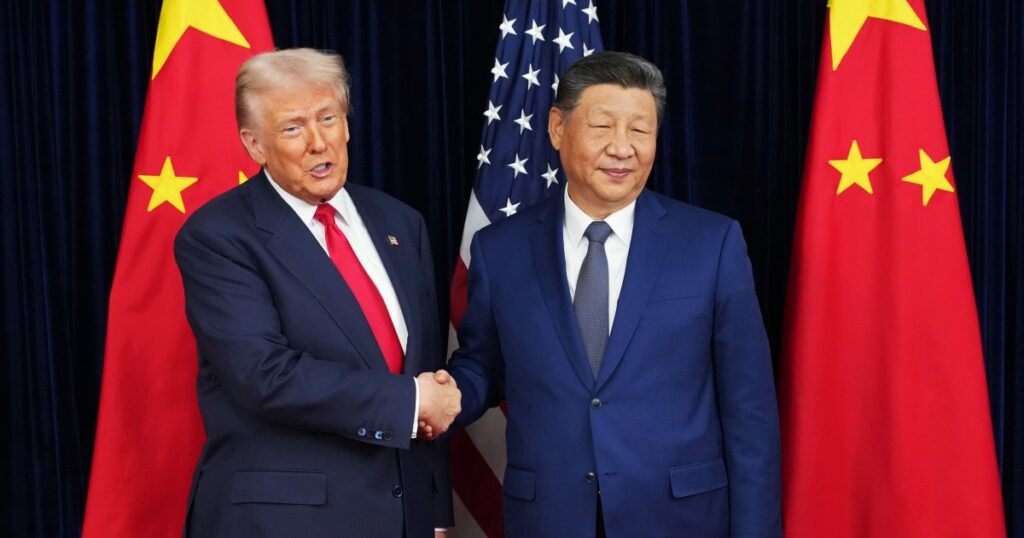
US President Donald Trump has decided to postpone his anticipated trip to China originally scheduled for March 31 to April 2. The decision to delay the meeting with Chinese President Xi Jinping by “a month or so” comes as the administration shifts its focus to addressing the rapidly escalating conflict in Iran. The escalating war in Iran has become a priority, requiring urgent attention from the US leadership, which has led to the postponement of the high-profile diplomatic visit.
The postponed visit was expected to involve high-level talks aimed at strengthening Sino-American relations and addressing a variety of bilateral and global issues. However, the worsening conflict in the Middle East has taken precedence, with the US government concentrating efforts on the regional crisis and its broad implications.
Sources close to the administration reveal that the delay will allow Trump and his team to dedicate more time and resources to managing the evolving situation in Iran. This conflict, involving escalating tensions and military actions, has drawn international concern regarding stability, security, and the prospects for peace in the region.
The postponement also underscores the complex geopolitical landscape where the United States must balance its strategic interests between its relationships with China and the urgent regional issues in the Middle East. The decision reflects the administration’s need to prioritize pressing security matters over scheduled diplomatic engagements.
In terms of the US-China relationship, the delay may temporarily slow diplomatic momentum, but officials remain hopeful that the meeting will eventually occur once the Iran situation stabilizes. Both countries have significant economic and strategic stakes, making continued dialogue critical despite temporary disruptions.
Observers note that Trump’s decision to focus on the Iran conflict reveals the administration’s commitment to addressing global security threats directly, even at the cost of postponing important international meetings. The move signals a strategic recalibration in response to an unpredictable and volatile geopolitical environment.
Experts emphasize that the delay in the Trump-Xi summit is a reminder of how global conflicts can reshape diplomatic calendars and priorities rapidly. It also highlights the interconnectedness of international affairs, where developments in one region can significantly impact relationships and negotiations worldwide.
The international community is watching closely as the US navigates its next steps in the Iran conflict, aware that these decisions will resonate beyond the immediate crisis. The delayed visit to China, although disappointing to some, is seen as a pragmatic approach to ensuring US leadership addresses the most urgent challenges first.
As the situation develops, analysts will be monitoring how the postponement affects not only US-China relations but also broader geopolitical dynamics, including alliances, trade relations, and security collaborations.
In summary, President Trump’s decision to delay his meeting with Chinese President Xi Jinping by a month or so highlights the urgent focus required by the escalating war in Iran. This move reflects a strategic prioritization of global security concerns over scheduled diplomatic engagements, underscoring the complexities of managing US foreign policy amid unfolding international crises.