In recent days, Iran has firmly rejected what it calls ‘fictional narratives’ suggesting a power grab within its highest ranks following the deadly crackdown on protests. The controversy intensified after protests erupted in the country, leading to multiple casualties and widespread international concern.
Former Iranian President Hassan Rouhani stepped into the spotlight to address rumors circulating about an alleged attempt to replace the Supreme Leader, Ayatollah Ali Khamenei. Rouhani categorically denied these reports, labeling them as baseless and politically motivated.
In a statement, Rouhani accused foreign actors, specifically the United States and Israel, of spreading misinformation to destabilize the Iranian government. He emphasized that such claims are part of a broader campaign to undermine Iran’s sovereignty and disrupt internal affairs.
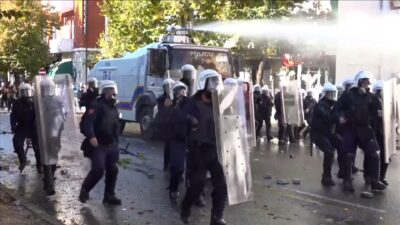
The current unrest began amid economic hardship and political dissatisfaction, with many Iranians taking to the streets to voice their frustrations. The government’s response, which included the use of force, has been widely condemned by international observers.
In the midst of the turmoil, speculation arose about potential shifts in Iran’s leadership. This speculation was fueled by social media rumors and external political commentary, which some perceived as an attempt to weaken the ruling establishment.
However, Iranian officials, including Rouhani, have maintained that there is no intention or plan to alter the leadership structure. They call on the public and the international community to reject these ‘fictional narratives’ and recognize Iran’s commitment to stability and sovereignty.
The government continues to assert that its primary focus is on addressing the root causes of the protests, including economic reforms and social development programs. It also highlights ongoing efforts to ensure security and maintain order across the country.
Analysts suggest that these denials aim to preserve public confidence and counteract foreign influence amid a sensitive period for Iran. The situation remains fluid, with ongoing protests and diplomatic responses shaping the nation’s trajectory.
As Iran navigates this challenging chapter, the international community watches closely, balancing concerns about human rights with geopolitical interests. The Iranian leadership’s rejection of power grab rumors seeks to project unity and dispel fears of political instability.
This episode underscores the complex interplay between domestic challenges and international narratives in today’s globalized media environment. It also highlights the importance of critically assessing information sources amid conflict and political tension.
In summary, Iran’s official stance is clear: allegations of a power grab are unfounded, external actors are fueling disinformation, and the country’s leadership remains focused on responding to its people’s needs while safeguarding national sovereignty.