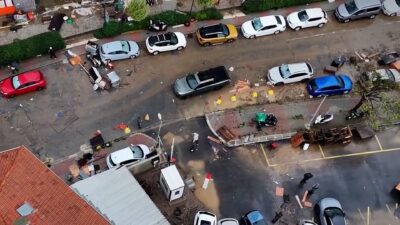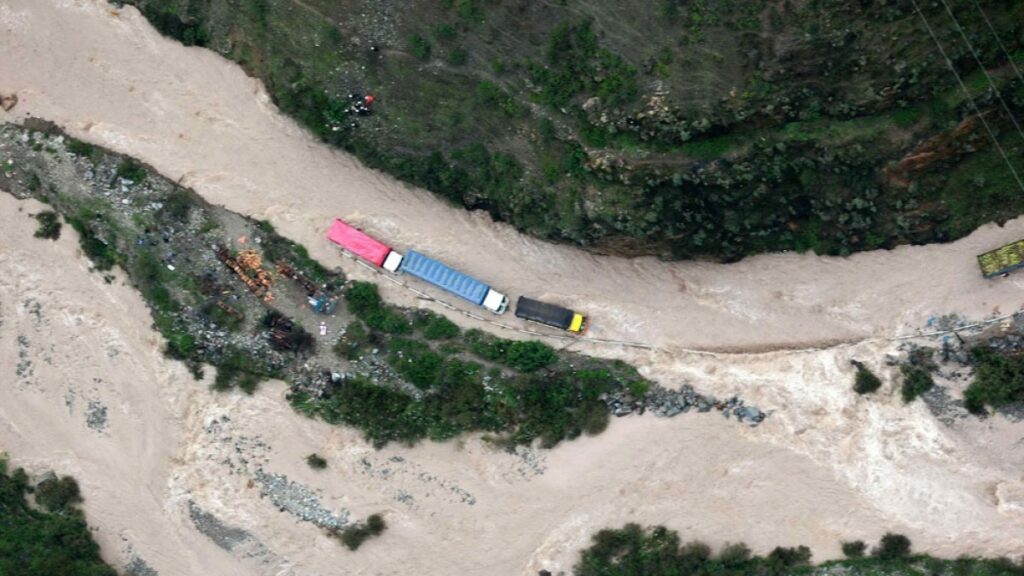
Southern Peru is grappling with devastating heavy rains and deadly floods that have forced thousands to seek emergency shelter. Torrential downpours have triggered deadly mudslides across the region, causing significant destruction to homes, infrastructure, and livelihoods. The severity of the weather has compelled more than 700 districts across Peru to declare states of emergency, highlighting the scale of this natural disaster.
The relentless rains have overwhelmed rivers and drainage systems, leading to widespread flooding that has inundated communities and agricultural lands. In many areas, floodwaters have swept away roads and bridges, cutting off access and complicating rescue and relief operations. Authorities and emergency services are working tirelessly to evacuate vulnerable residents and provide essential aid, but the challenges are immense given the extensive damage and geographical spread of the disaster.
The impact on the population has been profound. Thousands have been displaced from their homes, seeking refuge in temporary shelters set up by the government and humanitarian organizations. Many families have lost their possessions, and the destruction of crops has raised concerns about food security in the affected regions.
Local officials have called for urgent national and international assistance to deal with the consequences of the floods. The priority remains on ensuring the safety of residents, restoring basic services, and mitigating further damage as the rains continue. Meteorologists warn that the heavy rainfall could persist, necessitating ongoing vigilance and preparedness to prevent further loss of life and property.
This flooding event underscores the vulnerability of Peru’s southern regions to extreme weather conditions exacerbated by climate change. It serves as a stark reminder of the need for improved infrastructure, better early warning systems, and comprehensive disaster management strategies to safeguard communities against future events.
As the country mobilizes resources to respond to the crisis, the resilience and solidarity of the affected communities stand out. Relief efforts are underway, but it is clear that recovery will be a long and challenging process requiring sustained support at all levels.