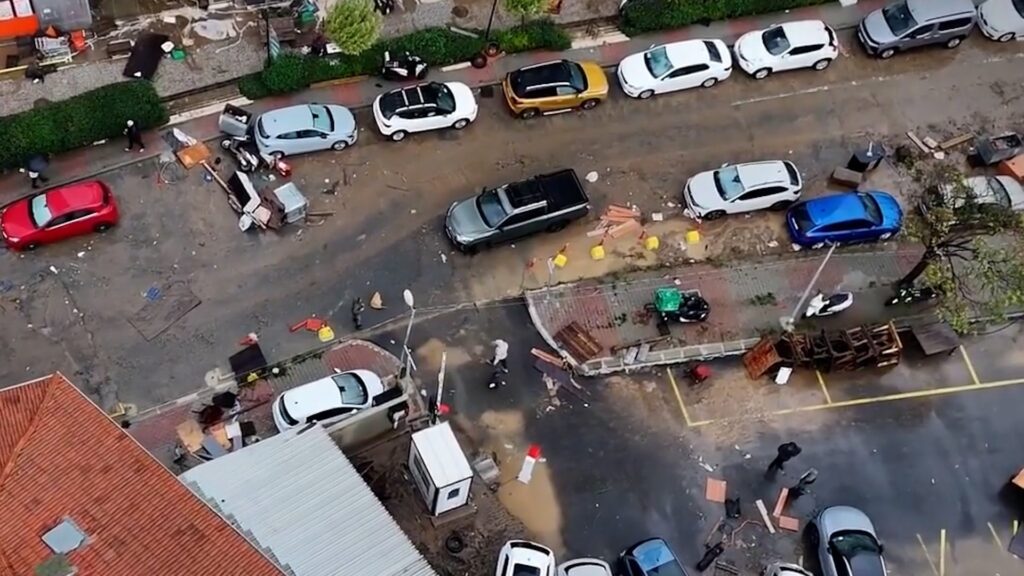
Severe flooding caused by torrential rain has resulted in the deaths of three people and left several others missing across Istanbul. The unexpected downpour triggered flash floods that overwhelmed the city’s infrastructure, causing widespread damage and disruption.
Istanbul, known for its dense population and bustling urban environment, faced significant challenges as streets turned into rivers within minutes. Emergency services were deployed rapidly in response to numerous distress calls, working tirelessly to rescue stranded residents and assist those trapped by rising waters.
Authorities have confirmed three fatalities so far, with search and rescue operations ongoing for individuals reported missing. The flash floods not only impacted residential areas but also affected transportation routes, businesses, and public services, leading to significant economic and social disruption.
Meteorologists warned that the rains were unusually heavy for the season, attributed to changing weather patterns. The city’s drainage systems were unable to cope with the volume of water, exacerbating the flood’s impact.
Residents have been advised to stay indoors and avoid non-essential travel until the situation stabilizes. Local governments are coordinating relief efforts, including shelter provisions for those displaced by the floods.
This disaster highlights the growing concerns regarding climate resilience in major cities like Istanbul, where urban planning and infrastructure need to adapt to increasingly extreme weather events. Experts call for enhanced investment in flood prevention measures and emergency preparedness to mitigate future risks.
As rescue efforts continue, the community comes together to support victims and rebuild damaged neighborhoods. The government has pledged to conduct a thorough investigation into the incident and improve the city’s flood response strategy to better protect residents going forward.
The Istanbul floods serve as a stark reminder of the devastating effects of climate change on urban centers worldwide and the urgent necessity for proactive measures to secure public safety and infrastructure against such natural disasters.