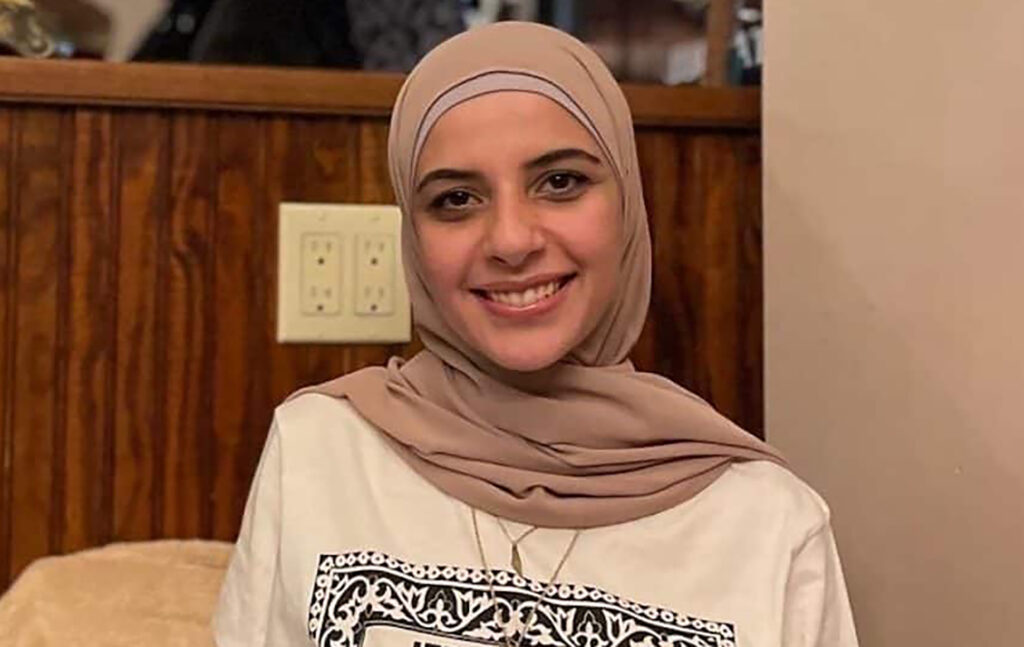
Leqaa Kordia, a Palestinian protester and student at Columbia University, has spoken out about her harrowing experience while in the custody of U.S. Immigration and Customs Enforcement (ICE). Kordia described her time in detention as ‘dehumanising,’ highlighting serious concerns about the treatment of detainees, especially those with medical needs.
Kordia’s ordeal reportedly began after a seizure she suffered while in ICE custody, leading to her being chained to a hospital bed. This treatment has raised significant alarm among human rights advocates and communities concerned about the conditions faced by immigrants and detainees.
The incident underscores broader issues regarding the medical care and human rights of individuals held by ICE. Critics argue that the agency has a history of inadequate medical treatment and overly harsh security measures that compromise detainee dignity and wellbeing.
Leqaa Kordia’s case has drawn attention to the ongoing struggles faced by Palestinian immigrants and detainees in the United States, shining a light on how vulnerable populations are treated within the immigration system.
Advocates for immigrant rights emphasize the need for reform in ICE detention protocols to ensure dignity, humane treatment, and appropriate medical care. They argue that chaining a patient to a hospital bed following a medical emergency is both inhumane and unnecessary.
Columbia University and various student organizations have expressed solidarity with Kordia, condemning the treatment she received and calling for broader systemic changes to the immigration detention system.
This incident comes amid growing scrutiny of immigration enforcement agencies and their treatment of detainees, especially those with serious health conditions.
Leqaa Kordia’s testimony adds a personal and powerful voice to the national conversation about immigrant rights and the urgent need for humane policies within ICE custody facilities.
The situation highlights critical questions about how health emergencies are handled in detention settings and the responsibility of authorities to protect the safety and dignity of all individuals, regardless of immigration status.
As debates over immigration policy continue across the United States, cases like Kordia’s emphasize the human impact of enforcement decisions and the necessity for compassionate treatment of all detainees.
Human rights organizations are using this case to advocate for increased oversight, transparency, and reform in detention centers, aiming to prevent future incidents of mistreatment.
The call for reforms also includes better training for ICE staff on medical emergencies and the elimination of punitive measures that can exacerbate physical and psychological distress for detainees.
Leqaa Kordia’s story not only brings attention to her personal struggle but also serves as a rallying point for broader advocacy efforts to ensure the humane treatment of all individuals within immigration detention.
Efforts are being made by activists to raise public awareness and push lawmakers to consider legislation that improves conditions and protects detainees’ civil and human rights.
The Palestinian community, alongside various immigrant and human rights groups, continues to monitor developments related to Kordia’s situation and other similar cases.
Overall, this incident exemplifies the complex challenges faced by immigrants detained in the U.S. and the urgent need for changes that respect human dignity and medical needs, advocating for justice and humane treatment within the ICE system.