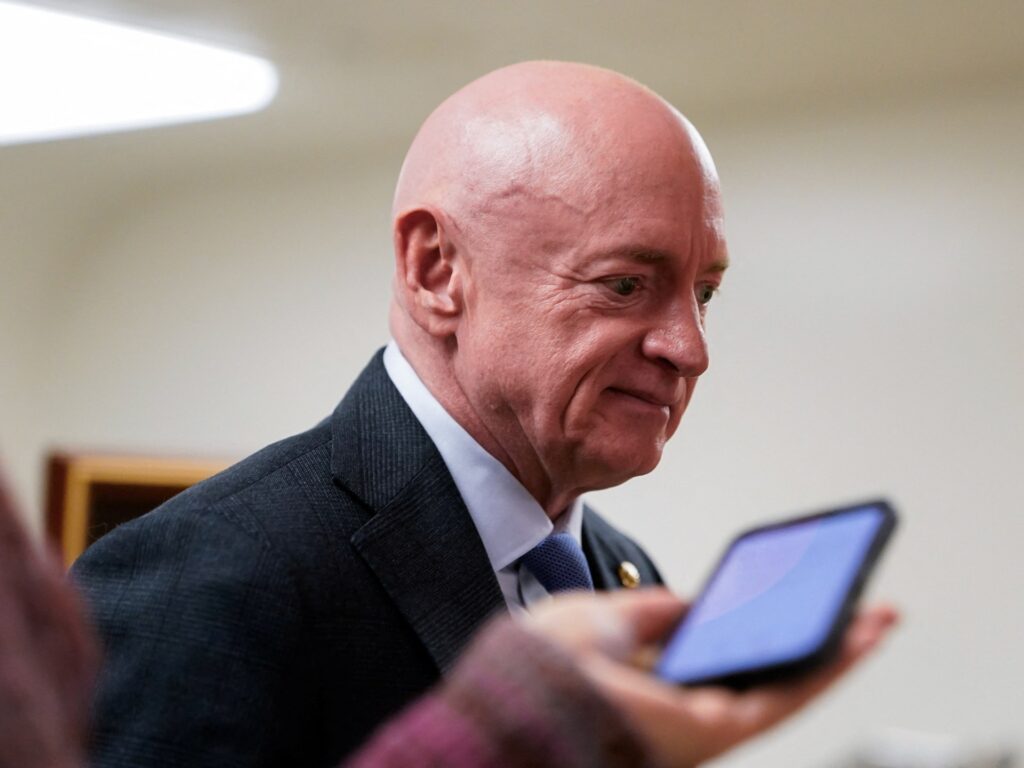
In a significant legal decision, Judge Richard J. Leon, a Republican appointee, has blocked the Trump administration from imposing punishments on Senator Mark Kelly. The case, brought by the government against Kelly, was dismissed by Judge Leon, who described the administration’s arguments as “anemic” and “horsefeathers.”
This ruling underscores a judicial check on the executive branch’s attempt to target a sitting senator, reinforcing the principles of fairness and due process in legal proceedings involving political figures. Judge Leon’s strong language highlights the perceived weakness of the government’s case.
Senator Mark Kelly, a prominent political figure, has been at the center of this dispute, which drew national attention due to its implications for the balance of power between the legislative and executive branches. The administration’s move to punish Kelly was seen by many as politically motivated, sparking debates about the appropriate limits of executive authority.
The judge’s decision prevents any punitive actions against Kelly that the government intended to carry out, effectively safeguarding the senator’s rights and political standing. This case exemplifies the role of the judiciary in maintaining checks and balances within the US government.
Legal experts have noted the significance of Judge Leon’s order, seeing it as a rebuke to the administration’s aggressive stance and a reaffirmation that legal actions must be backed by solid evidence and lawful grounds. The dismissal serves as a reminder that courts will not support what they view as groundless or unjustified government overreach.
The Trump administration has yet to comment publicly on the ruling, while supporters of Senator Kelly have praised the judge’s decision as a victory for justice and democratic principles. This episode adds to ongoing discussions about the conduct of government officials and the protection of elected representatives from political reprisals.
In summary, Judge Richard J. Leon’s ruling marks an important moment in the legal and political landscape, emphasizing the judiciary’s role in curbing undue executive power and protecting the integrity of public office holders. As this story develops, it will likely influence future interactions between government branches and shape the discourse around executive authority and legislative independence.