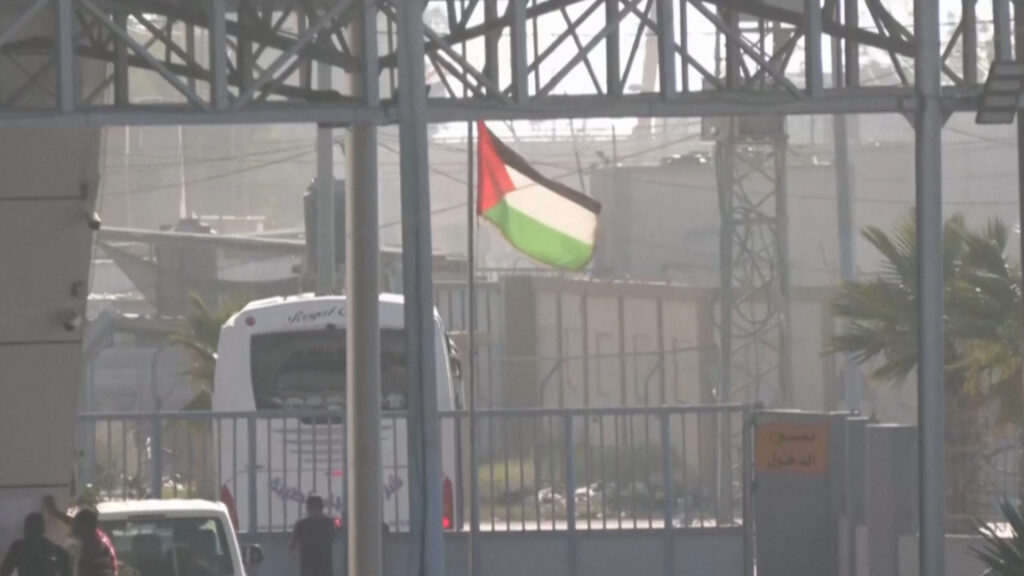
The Rafah Crossing, a crucial border point between Egypt and the Gaza Strip, is set to partially reopen after almost two years of closure. The reopening is notable, yet it comes with significant restrictions. Israeli authorities have announced that only a limited number of people, approximately 150-200 individuals, will be permitted to pass through the crossing daily.
This move is significant as the Rafah Crossing serves as a vital gateway for Palestinians in Gaza to access goods, medical care, and travel opportunities that are restricted by the Israeli blockade. The crossing’s reopening, even with limited capacity, could potentially alleviate some humanitarian pressures faced by Gaza’s residents.
The reasons behind the limited reopening stem from ongoing security concerns and political considerations. Israel, which controls the broader flow of movement and goods into and out of Gaza, has imposed stringent restrictions to manage threats and maintain security stability.
The limited throughput is expected to prioritize humanitarian cases such as medical patients needing treatment outside Gaza, students studying abroad, and those with urgent personal matters. However, many residents might still face challenges as the low quota may not meet the demand of those wishing to travel.
Human rights organizations have been advocating for a full and sustained reopening of the Rafah Crossing. They argue that unrestricted access is essential for basic human dignity and economic sustainability in Gaza. Meanwhile, the current decision reflects a cautious approach, balancing humanitarian needs and security policies.
Egypt’s role in the Rafah Crossing remains critical. The Egyptian authorities also regulate entry and exit through the passage and cooperate closely with Israel regarding the movement of people and goods.
The reopening could signify the beginning of a gradual easing of border restrictions, but it remains to be seen how policies will evolve. For now, the limited reopening of the Rafah Crossing represents a tentative step towards easing Gaza’s profound isolation while maintaining strict controls.