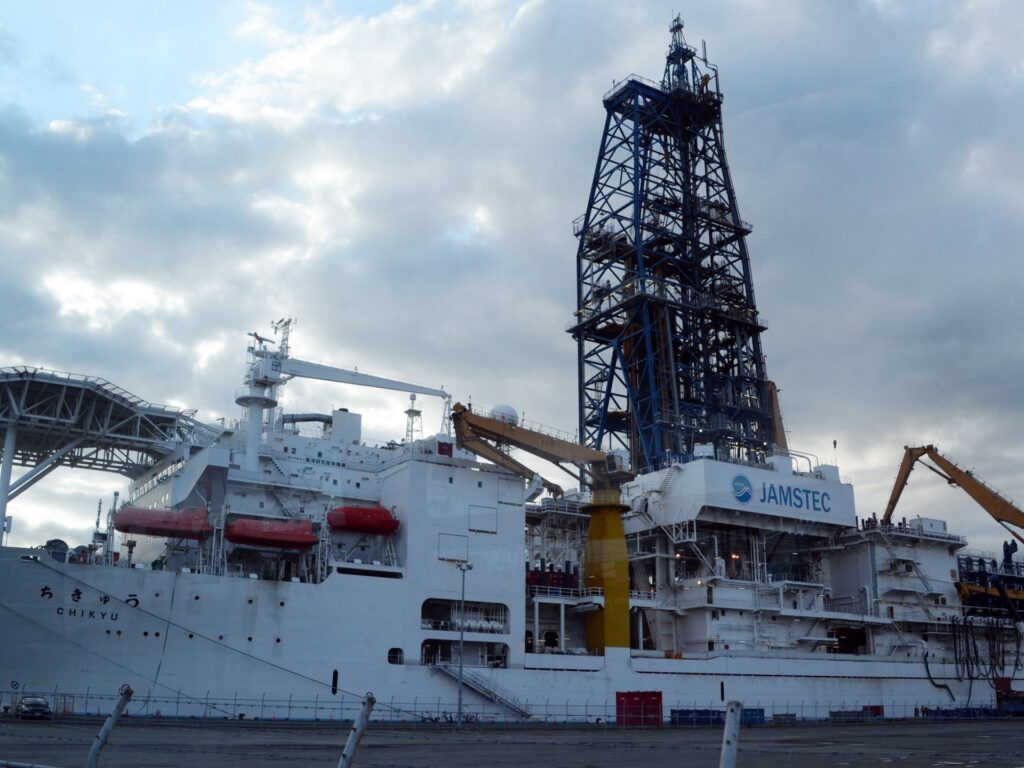
Japan has embarked on a groundbreaking deep-sea mining mission in the Pacific Ocean, marking the world’s first attempt to extract rare earth elements (REEs) from such extreme depths. This initiative is part of Tokyo’s strategic effort to reduce the nation’s heavy reliance on China for these critical minerals, which are essential for manufacturing advanced electronics, renewable energy technologies, and military hardware.
Rare earth metals, including elements like neodymium, dysprosium, and yttrium, are vital components in everything from smartphones and electric vehicles to wind turbines and missile guidance systems. Currently, China dominates the global supply chain for rare earths, controlling approximately 60-70% of mining and processing.
Japan’s deep-sea hunt targets mineral-rich deposits found on the ocean floor, several kilometers beneath the surface. These deposits, often in the form of polymetallic nodules, are believed to contain significant concentrations of rare earth elements alongside other valuable metals such as cobalt, nickel, and manganese.
The mission utilizes advanced underwater robotics and remotely operated vehicles (ROVs) capable of withstanding extreme pressure and low temperatures in the crushing depths of the Pacific. These technologies enable precise extraction of nodules with minimal environmental disturbance compared to traditional land mining operations.
Tokyo’s government has expressed optimism that successful extraction will enable Japan to diversify its supply sources, enhance economic security, and support the development of clean energy technologies domestically. Industry experts note that the project could catalyze a new era of deep-sea resource exploitation but caution that regulatory, technical, and environmental challenges remain significant.
International stakeholders are closely monitoring Japan’s mission. The United Nations Convention on the Law of the Sea (UNCLOS) provides a legal framework for mining activities in international waters, emphasizing sustainable practices and protection of marine ecosystems.
Japan’s effort comes amid growing geopolitical tensions around critical minerals, with many countries seeking to secure their access to rare earths to bolster national security and technological competitiveness. This initiative reflects a broader trend toward exploring alternative and more sustainable sources of vital materials.
In conclusion, Japan’s deep-sea rare earth extraction mission represents a pioneering scientific and industrial endeavor. If successful, it could reshape the global rare earths market, reduce dependence on China, and contribute to the advancement of green technologies worldwide. However, it also highlights the need for responsible stewardship of ocean resources to balance economic aspirations with ecological preservation.