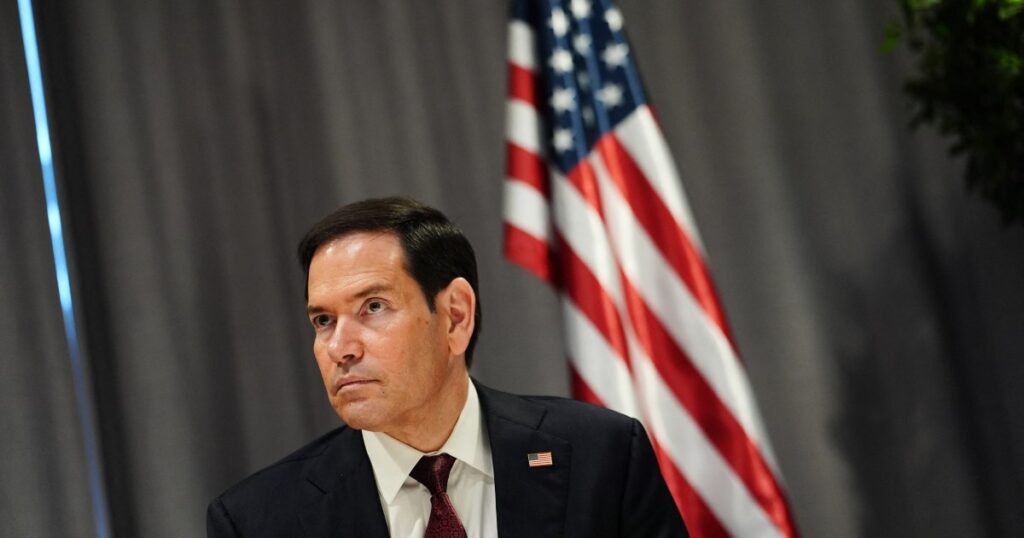
Marco Rubio, a leading U.S. senator, is currently on an extended visit to India, a notable move that comes at a time when the relationship between former President Donald Trump and Indian Prime Minister Narendra Modi appears strained. This visit is particularly significant as it precedes the upcoming Quad meeting involving foreign ministers from the United States, India, Japan, and Australia.
The Quad, formally known as the Quadrilateral Security Dialogue, is a strategic forum aimed at ensuring and promoting a free, open, and inclusive Indo-Pacific region. India plays a critical role in this alliance, balancing regional power dynamics, especially in light of China’s rising influence.
Rubio’s visit aims to bolster U.S.-India relations independently of the Trump-Modi dynamic, which has seen some diplomatic tension recently. The senator’s discussions in India are expected to focus on strengthening bilateral ties, including defense cooperation, trade, and technology partnerships.
The backdrop of this visit is complex. During Trump’s administration, Modi enjoyed a relatively warm rapport with the U.S. president, which helped drive enhanced cooperation between the two countries. However, recent developments have introduced friction, potentially related to diverging policy priorities and geopolitical strategies.
Rubio’s extended trip indicates that the U.S. recognizes the growing importance of India as a strategic partner in the Indo-Pacific region and is keen to keep ties robust and forward-looking. The Quad meeting next week is anticipated to be a critical juncture for reasserting shared goals and commitments among the member nations.
For India, engagement with the U.S. through leaders like Senator Rubio signals ongoing support for its regional aspirations and global role. It also highlights India’s importance to American strategic interests, especially as global power contests intensify.
In this context, Rubio’s visit carries broader implications. It demonstrates the U.S. Senate’s active role in foreign policy and illustrates a bipartisan approach toward India that transcends the Trump administration’s legacy.
The senator’s meetings will likely cover a range of issues, from counterterrorism efforts and cybersecurity to climate change collaboration and trade frameworks. One key area of discussion is expected to be defense technology sharing and military exercises, which have been growing in scope and scale.
Additionally, Rubio’s dialogue with Indian officials may address concerns arising from recent U.S.-India trade tensions and explore pathways to resolve them, facilitating a smoother economic relationship.
Given the strategic importance of India in the Indo-Pacific security architecture, Rubio’s visit is not only about managing bilateral ties but also about reinforcing a multilateral approach through the Quad. The meeting will likely focus on coordinated responses to global challenges, including a shared stance on China’s assertiveness.
Observers note that while Trump-Modi relations have had their ups and downs, the underlying U.S.-India partnership remains resilient and vital. Rubio’s engagement may help recalibrate the relationship and signal American commitment to India’s role on the world stage.
The upcoming Quad meeting will be closely watched as it could define future cooperation frameworks and set the tone for the Quad’s collective diplomatic and security initiatives.
In summary, Senator Marco Rubio’s visit to India at this juncture carries significant stakes. It aims to stabilize and enhance U.S.-India relations amidst changing political dynamics, ensuring continued collaboration in key strategic areas as the Quad nations prepare for a crucial meeting ahead.